
 George Anjay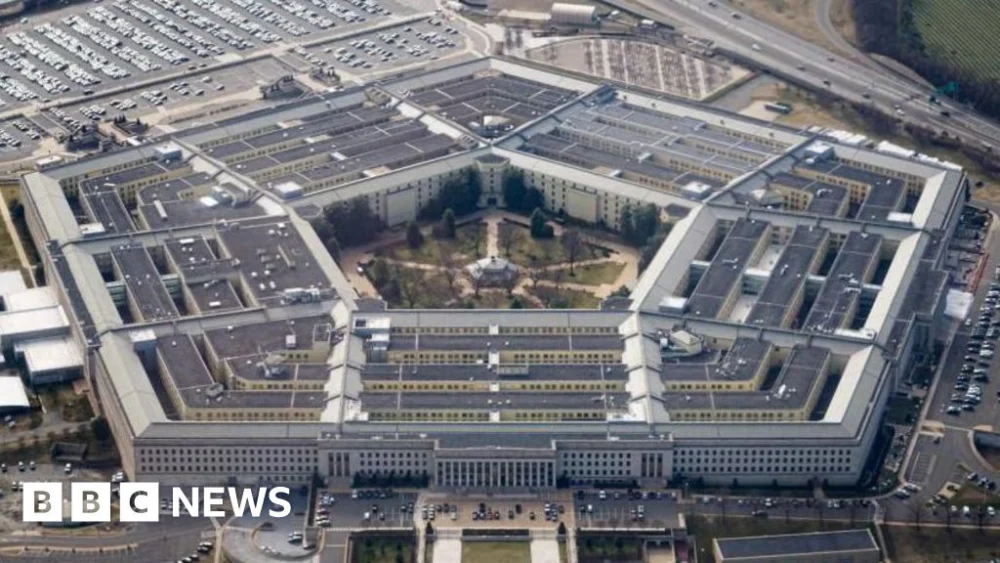
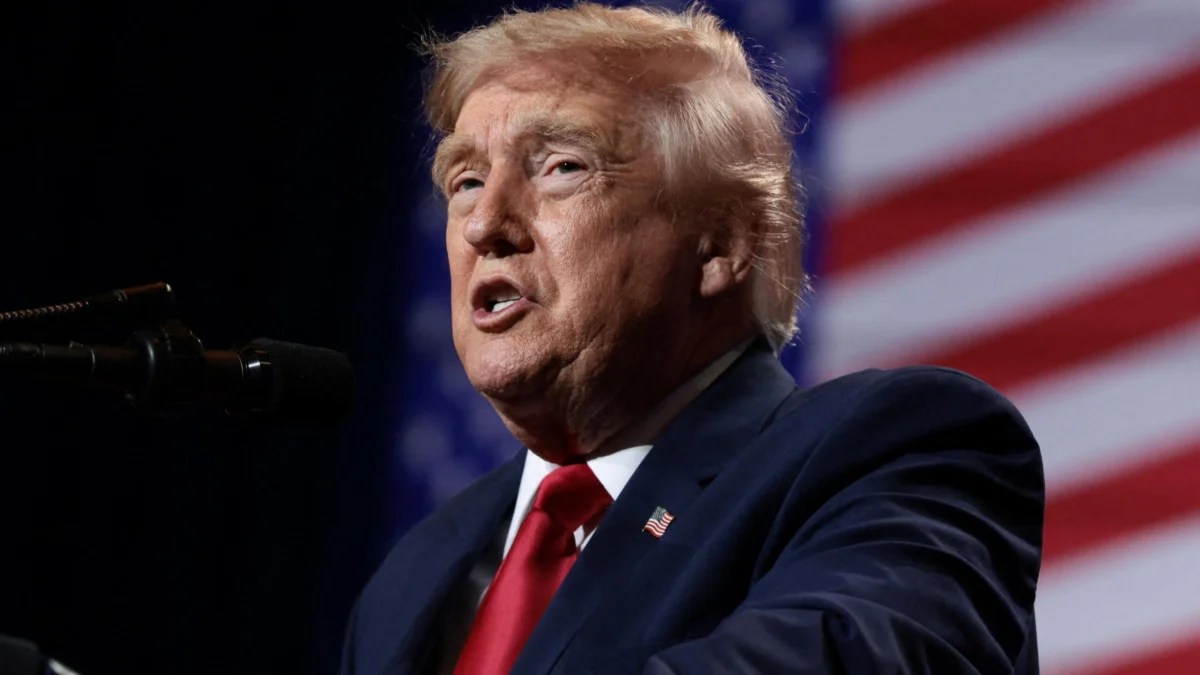
This strategic pivot aligns with recent pronouncements from President Donald Trump, who has consistently called for greater "burden-sharing" from American allies in confronting shared threats, particularly those posed by Russia and North Korea. The newly released 34-page report builds upon the foundation laid by last year’s U.S. National Security Strategy, which controversially suggested that Europe was facing "civilizational collapse" and downplayed Russia’s role as a direct threat to the United States. At the time of that publication, Moscow had responded by stating the document was "largely consistent" with its own strategic outlook.
In stark contrast to the current strategy, the Pentagon in 2018 had characterized "revisionist powers," explicitly naming China and Russia, as the "central challenge" to U.S. security interests. The current strategy, however, urges American allies to assume a more proactive role in their own defense, asserting that partners have become "content" to allow Washington to subsidize their security arrangements. Despite this emphasis on allied self-reliance, the document explicitly denies that this shift signals a move towards American "isolationism." Instead, it frames the new approach as "a focused and genuinely strategic approach to the threats our nation faces."
The report contends that Washington has historically neglected the "concrete interests" of its own citizens, asserting that the United States should not conflate its own national interests with those of the global community. The document states, "that a threat to a person halfway around the world is the same as to an American." Consequently, the strategy proposes that allies, particularly those in Europe, should "take the lead against threats that are less severe for us but more so for them." Russia, despite its full-scale invasion of Ukraine nearly four years prior, is characterized within the document as a "persistent but manageable threat to NATO’s eastern members."
Notably absent from the new strategy is any mention of Taiwan, the self-governing island claimed by China, which was a prominent feature in previous strategic documents. However, the report does articulate the U.S. objective to "prevent anyone, including China, from being able to dominate us or our allies." This statement comes in the wake of a significant arms sale to Taiwan announced late last year, valued at $11 billion, which prompted China to conduct military drills around the island in response.
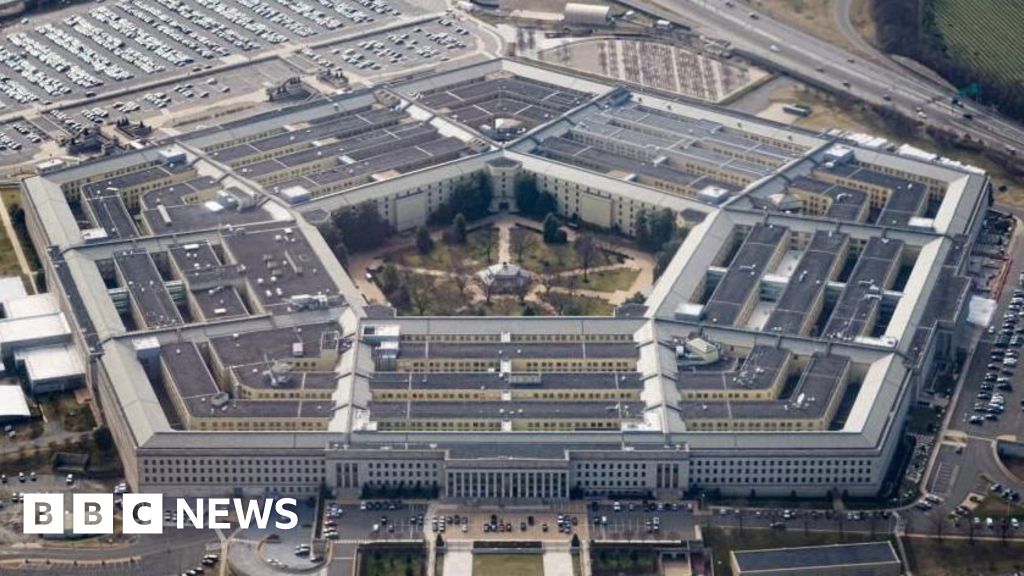
The strategy also outlines a "more limited" role for U.S. deterrence efforts concerning North Korea. It suggests that South Korea is "capable of taking primary responsibility" for this task. The document further reinforces a more interventionist foreign policy by detailing recent actions taken by the Trump administration within the last year, including the seizure of Venezuelan President Nicolás Maduro, airstrikes against alleged drug-trafficking vessels in the eastern Pacific and Caribbean, and concerted pressure on U.S. allies to acquire Greenland. The strategy reiterates the Pentagon’s commitment to "guarantee U.S. military and commercial access to key terrain, especially the Panama Canal, Gulf of America, and Greenland."
The document explicitly states that the Trump administration’s strategic approach will be "fundamentally different from the grandiose strategies of the past post–Cold War administrations." It declares, "Out with utopian idealism; in with hardnosed realism."
These strategic pronouncements echo sentiments expressed by President Trump at the World Economic Forum earlier in the week, where he asserted that the U.S. had "never gotten anything" from NATO and had "never asked for anything." He further criticized the alliance, inaccurately claiming that "the United States was paying for virtually 100% of Nato."
In response to the shifting global landscape and the reevaluation of international security priorities, Canadian Prime Minister Mark Carney commented that the old world order is "not coming back." He urged fellow middle powers, such as South Korea, Canada, and Australia, to collaborate, stating, "Middle powers must act together because if we’re not at the table, we’re on the menu." Carney’s remarks were made at the Davos meeting, coinciding with French President Emmanuel Macron’s warning of a "shift towards a world without rules." This confluence of statements from global leaders underscores a growing sentiment of uncertainty and a reevaluation of established international norms and alliances in the face of evolving geopolitical realities and the articulation of a more inward-looking, realist-driven U.S. defense posture. The emphasis on allied self-sufficiency and the prioritization of immediate national interests over broader global commitments signifies a potential restructuring of long-standing security partnerships and a move towards a more transactional and less interventionist foreign policy for the United States. The implications of this strategy are far-reaching, potentially impacting defense spending, diplomatic relations, and the global balance of power as allies are compelled to reassess their own security architectures and their reliance on American support.



 Roy Suryo

 Nakalama John
 atisusanti
 Ramos Leo
