
 George Anjay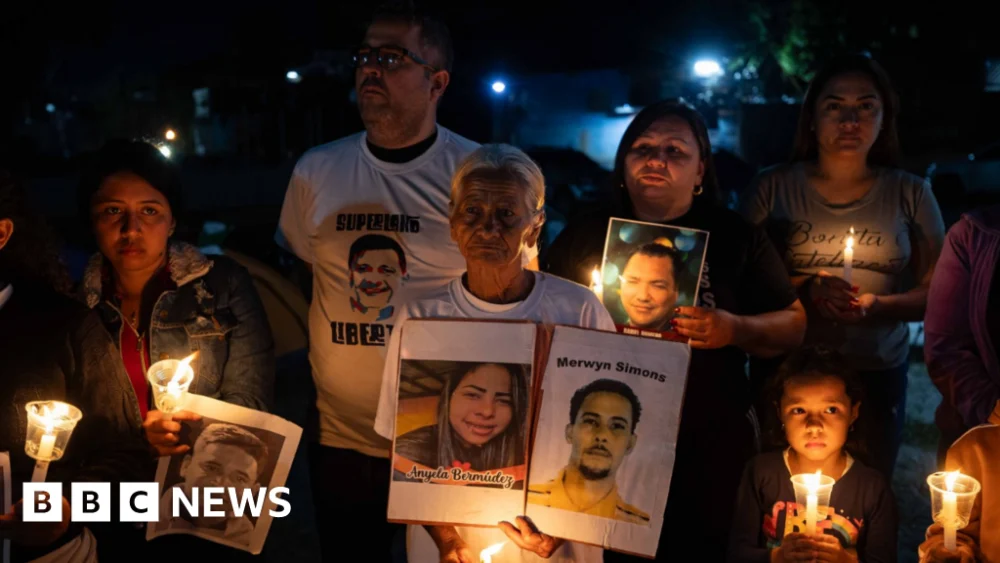
At least 80 political prisoners have been released from Venezuelan jails in recent days, a significant development confirmed by Foro Penal, a prominent human rights organization. Alfredo Romero, the director of Foro Penal, stated that his team is diligently working to verify the identities of those freed, with the expectation that more releases may follow. This latest wave of detainees being freed comes in the wake of intense international pressure, particularly from the United States, which earlier this month orchestrated the seizure of Venezuelan President Nicolás Maduro and his transfer to New York to face drug-trafficking charges.
The Venezuelan government, through its interim President Delcy Rodríguez, claimed on Friday that over 600 prisoners had been released. However, Foro Penal has indicated that this figure may be inflated, emphasizing the need for thorough verification of each individual case. Romero himself announced the releases via social media platforms, sharing an image of Foro Penal colleague Kennedy Tejeda, who had been detained at Tocorón prison, west of the capital Caracas, since August 2024. Gonzalo Himiob, a lawyer with Foro Penal, also posted on X (formerly Twitter), suggesting that the total number of releases could surpass 80 as their verification process continues.
This development is particularly noteworthy as Foro Penal has previously reported that many individuals released in recent weeks have not had the charges against them dropped. This situation leaves them in a precarious legal limbo, often barring them from speaking publicly about their experiences and continuing to cast a shadow over their futures. Prior to this weekend’s announcements, Foro Penal had officially confirmed the release of 156 political prisoners since January 8th. Among those known to have been freed are some domestic opposition figures and at least five Spanish nationals, highlighting the diverse backgrounds of those who have been subjected to detention.
The Venezuelan government has consistently denied holding political prisoners, asserting that all individuals in detention are being held for criminal activities. However, human rights groups and international observers have long accused the government of using detentions as a tool to silence critics and suppress dissent, particularly in the wake of the contentious 2024 presidential election. Maduro’s re-election was met with widespread accusations of fraud and was not recognized by numerous countries and opposition factions. Many of the individuals now being released were reportedly detained following protests and political unrest that erupted after the election results were announced.
The pattern of releasing prisoners without dropping charges raises concerns about the genuine commitment to addressing human rights abuses. Foro Penal’s prior observations suggest that while these individuals are no longer behind bars, their legal status remains unresolved, potentially limiting their reintegration into society and their ability to participate in political life. The ongoing verification process by Foro Penal is crucial in determining the true scope of these releases and whether they represent a substantive shift in the government’s approach to political dissent.
In a separate but related development, interim President Delcy Rodríguez announced that she was scheduled to hold a call on Monday with the United Nations High Commissioner for Human Rights, Volker Turk. The purpose of this call is to request the UN’s assistance in verifying the lists of individuals who have been released so far. This engagement with the UN signifies a potential opening for international oversight and accountability, though the effectiveness of such verification will depend on the level of cooperation from the Venezuelan government.
The international community has been closely monitoring the human rights situation in Venezuela for years. The US actions, culminating in the indictment and seizure of President Maduro, represent a significant escalation of pressure on the Venezuelan government. The subsequent releases, whether voluntary or coerced, are likely a direct consequence of this heightened international scrutiny and the potential ramifications for Maduro’s legal standing.
Foro Penal’s meticulous documentation and advocacy have been instrumental in shedding light on the plight of political prisoners in Venezuela. Their work provides a critical counter-narrative to the government’s official statements and helps to ensure that the cases of those detained are not forgotten. The organization’s commitment to verifying each release underscores the importance of accurate information in assessing the impact of these events.
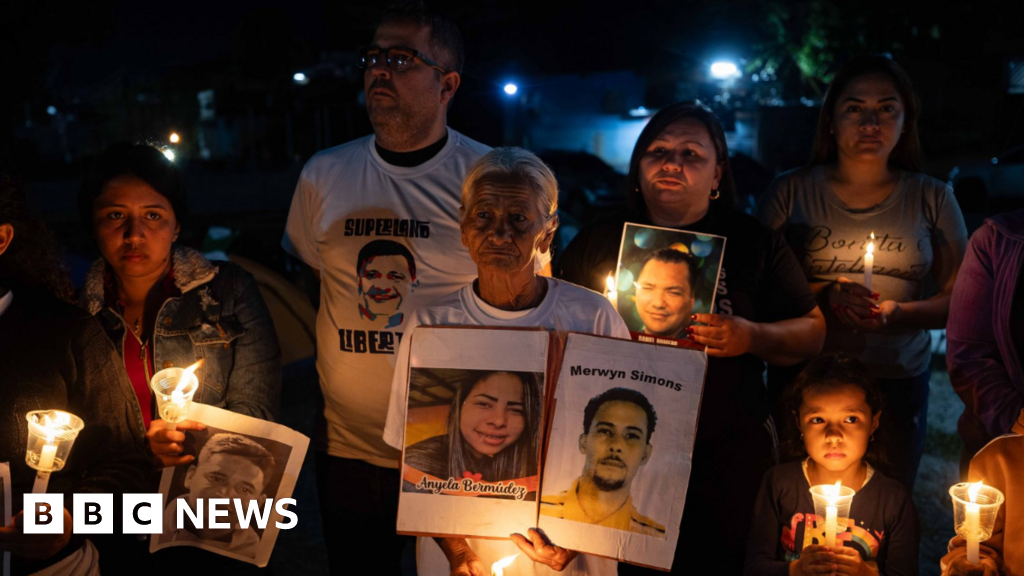
The ongoing situation in Venezuela is complex, with deep-seated political and economic challenges contributing to the human rights concerns. The release of political prisoners, while a positive step, is just one facet of a larger struggle for democracy and human rights in the country. The international community, human rights organizations, and the Venezuelan people will continue to watch closely to see if these releases mark a genuine turning point or a temporary concession under pressure. The legal status of those released and the broader implications for political freedom in Venezuela remain critical areas of focus. The long-term impact of these releases will depend on whether they are accompanied by systemic reforms and a commitment to upholding the rule of law and fundamental human rights for all Venezuelans. The role of international bodies, like the UN High Commissioner for Human Rights, will be crucial in ensuring transparency and accountability in the days and weeks to come. The image of families spending nights outside El Rodeo jail since January 8th, holding up images and candles, illustrates the prolonged suffering and the desperate hope for the release of their loved ones, a hope that is now, at least partially, being realized.



 Roy Suryo

 Nakalama John
 atisusanti
 Ramos Leo
