
 atisusanti
Nearly three weeks into what has been described as one of the most extreme internet shutdowns in recent history, some of Iran’s 92 million citizens are beginning to regain access to the global digital sphere. However, this re-emergence of connectivity appears to be a carefully orchestrated and tightly controlled affair, far from a return to normalcy. The widespread internet blackout, initiated on January 8th, is widely perceived as a government strategy to stifle the dissemination of information concerning its forceful crackdown on ongoing protests. Iranian Foreign Minister Abbas Araghchi publicly stated that the internet was suspended in response to what he characterized as "terrorist operations."
While reports now suggest that some internet access has been restored, independent analyses of web traffic reveal that a significant portion of the country remains effectively isolated from the outside world. Iran’s reformist newspaper, Shargh, has cited officials claiming the restoration of mobile internet services. However, the publication also notes that many users continue to experience incomplete access, with connections being intermittent, limited in duration, and often requiring repeated attempts. This inconsistent pattern of usage, observed by firms that monitor global web traffic, raises critical questions about who is being granted access and under what specific conditions.
Doug Madory, director of internet analysis at the network intelligence firm Kentik, commented on the situation, stating, "What we’re seeing isn’t a return to normal. Major platforms are being allowed and blocked at different times during the day." This observation is corroborated by NetBlocks, an independent internet monitoring group, which has reported similar findings. Madory posits that this fluctuating access might indicate that authorities are in the process of testing a new system for managing and restricting web traffic, with adjustments being made in real-time. Amir Rashidi, director of cybersecurity at the Miaan Group, interprets these developments as evidence that only a select number of individuals, those specifically approved by the government, are being granted access.
Human rights organizations have highlighted the crucial role that this controlled internet access has played in curtailing the flow of information regarding the crackdown on protesters. The Human Rights Activists News Agency (HRANA) reported on January 26th that it had confirmed the deaths of 5,925 protesters, issuing a stark warning that the final death toll could be significantly higher, with an additional 17,091 reported deaths currently under review.
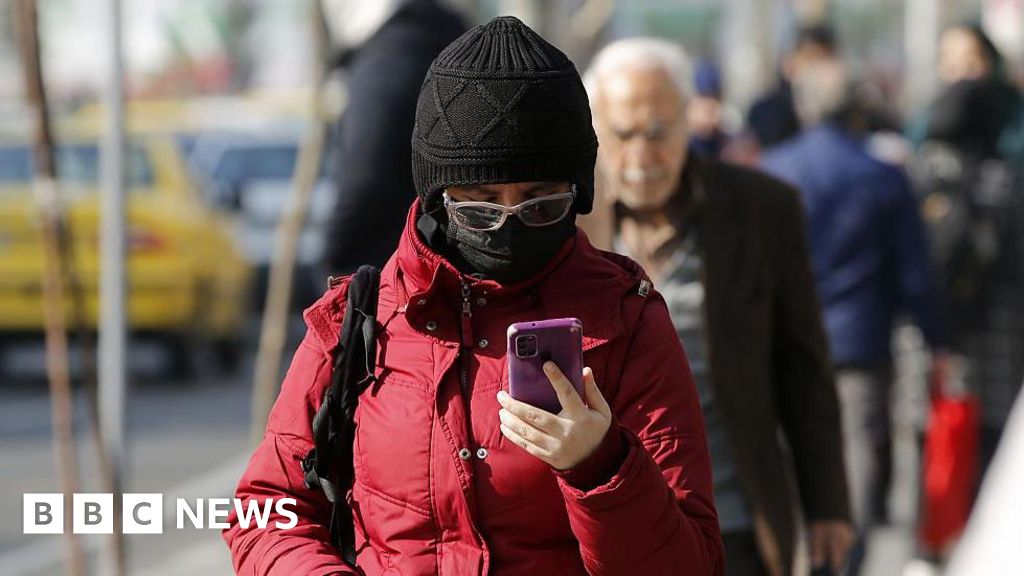
Intermittent connections
Internet rights observers suggest that the recent period of unrest may have provided the Iranian authorities with a strategic opportunity to expedite long-anticipated plans to exert greater control over the internet. Such measures, likely to have encountered considerably stronger opposition under normal circumstances, could now be implemented with less resistance.
According to sources cited by Shargh, internet access within Iran has effectively been segmented into multiple tiers, ranging from a complete shutdown to what might be considered normal access. The current connectivity levels fall significantly short of a full restoration. The newspaper’s sources also indicate that foreign messaging applications, including WhatsApp, are expected to remain restricted. While some domestic communication platforms are accessible within the country, observers have raised concerns regarding their security and privacy implications.
Despite these restrictions, recent days have seen reports from some users who have managed to establish intermittent connections to the outside world. These individuals have utilized services such as Google Meet, Telegram, Facebook Messenger, or FaceTime to communicate with family members. Rashidi suggests that this selective granting of access to specific internet segments might inadvertently enable the functionality of tools like Virtual Private Networks (VPNs), even if only for brief periods. VPNs are designed to provide secure online connections and can be used to access content that is otherwise blocked due to geographical restrictions.
"As long as there is any ability to transmit even a single bit of data, it is possible to find ways to use VPNs," Rashidi explained. However, he emphasized that the available evidence strongly suggests that the authorities are committed to preventing VPNs from operating and maintaining strict control over who can connect to the internet.
Financial cost
Following nearly three weeks of significant internet disruption, Iran’s Minister of Communications, Sattar Hashemi, announced on January 26th that the daily financial losses incurred by the shutdown were approaching five trillion Iranian rials, equivalent to approximately $35 million USD or £25 million. Amid mounting economic pressure, authorities appear to have introduced highly regulated forms of internet access for certain businesses. Analysts believe this may be part of a broader strategy to manage connectivity in a more selective manner.
Business representatives have informed the BBC that in some cities, members of the Chamber of Commerce are being granted only 20 to 30 minutes of unfiltered internet access per day. Furthermore, this limited access is reportedly provided only under strict supervision and after the completion of multiple stages of identity verification. One member of the Tehran Chamber of Commerce, who requested anonymity, described the access as "fully rationed and strictly time-limited." They added that if work was not completed within the allocated timeframe, the entire verification process had to be repeated.
The same source disclosed that some businesspeople have also been compelled to sign commitments agreeing not to transmit files related to the ongoing protests. This individual characterized the system as "effectively paralyzing and humiliating" given the number of people involved and stated that it has generated widespread dissatisfaction among traders. Internet freedom observers at FilterWatch have previously warned that the Iranian authorities are rapidly implementing new systems and regulations aimed at isolating Iran from the global internet. Madory’s analysis of web traffic data suggests that a complete restoration of internet access in Iran may ultimately never occur.



 George Anjay
 Nakalama John
 Ramos Leo
 Roy Suryo
 Nana Banana