
 atisusanti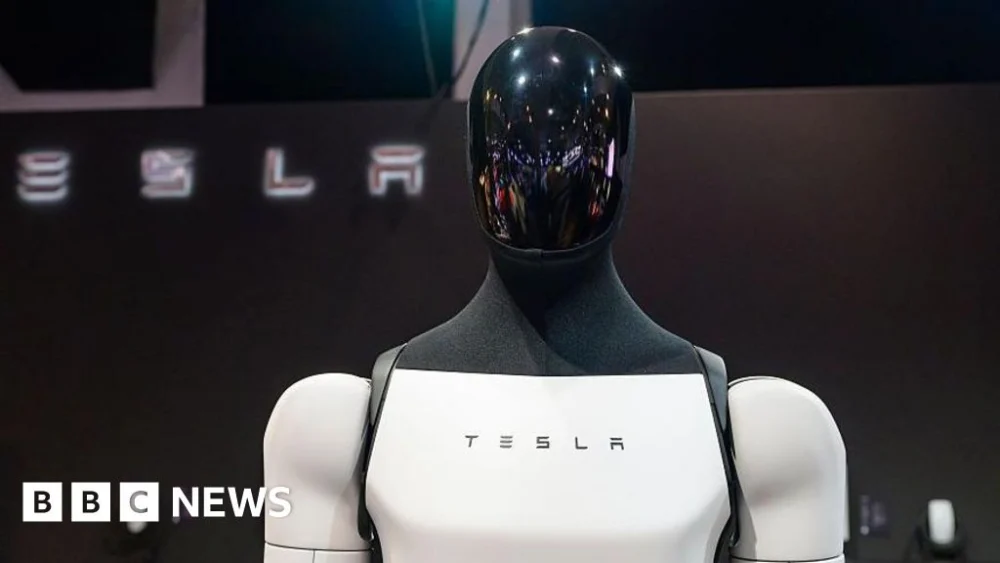
In a significant strategic pivot that signals a potential redefinition of its core business, electric vehicle (EV) giant Tesla has announced a notable reduction in its car model offerings, a move directly tied to an aggressive ramp-up in its focus on artificial intelligence (AI) and robotics. This strategic realignment comes as the company grapples with its first-ever annual revenue decline, a stark indicator of evolving market dynamics and the need for diversification. Tesla’s annual revenue saw a 3% dip in 2025, a trend that accelerated in the final quarter, with profits plummeting by an alarming 61%. This financial contraction underscores the urgency behind the company’s shift in priorities, moving beyond its foundational identity as an automotive manufacturer.
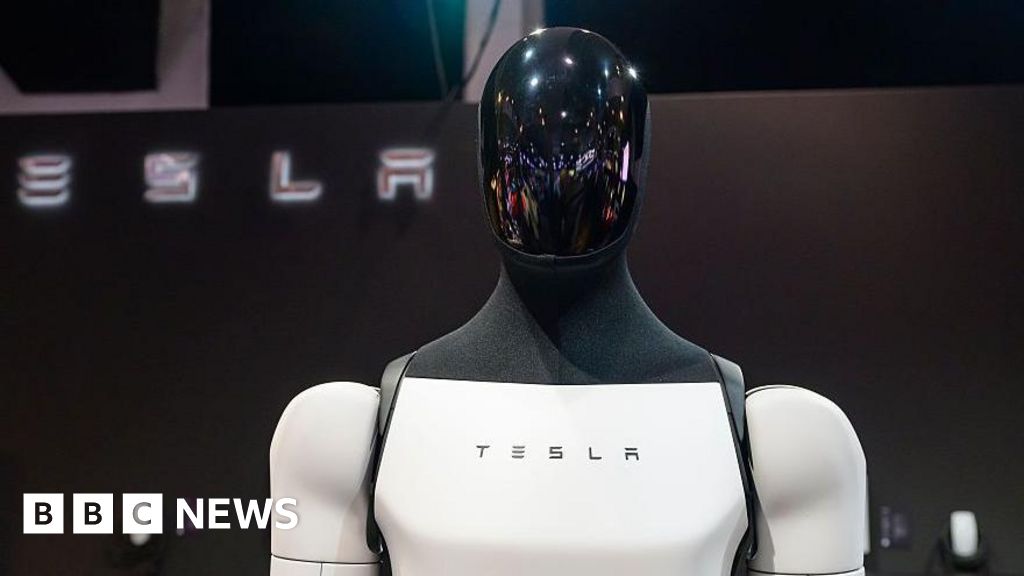
The tangible impact of this strategic shift is evident in Tesla’s decision to cease production of its high-end Model S and Model X vehicles. The manufacturing facility in Fremont, California, previously dedicated to these models, will now be repurposed to exclusively produce Tesla’s line of humanoid robots, famously known as Optimus. This transition from automotive assembly to advanced robotics production represents a bold gamble, positioning Tesla at the forefront of the burgeoning humanoid robot industry. The move also comes at a time when the competitive landscape in the EV market has intensified, with Chinese automaker BYD surpassing Tesla as the world’s largest EV maker in January.
Adding further weight to Tesla’s commitment to AI, the company has committed a substantial $2 billion (£1.45 billion) investment into xAI, the artificial intelligence venture founded by its CEO, Elon Musk. Musk himself articulated the rationale behind this investment, stating, "A lot of investors asked us to do this. They say we should invest in xAI, so we’re just doing what shareholders asked us to do pretty much." This statement, however, arrives amidst a backdrop of shareholder sentiment that was not entirely unified on the matter. A recent shareholder vote on a proposal to invest in xAI saw a notable number of abstentions and votes against the idea, with those who approved being outnumbered. This internal division highlights the complex shareholder landscape Tesla navigates, particularly in relation to Musk’s ambitious personal ventures.
The broader financial picture for Tesla is further complicated by a record-breaking pay package previously granted to Musk, potentially worth nearly $1 trillion over the next decade. The conditions attached to this payout necessitate a dramatic increase in the firm’s market value within that timeframe, a target that the current revenue decline undoubtedly complicates. To achieve such ambitious growth, Tesla is also slated to significantly increase its capital expenditure, with an estimated $20 billion earmarked for future investments. Musk alluded to this impending surge in spending during a call with analysts, stating, "It’s going to be a very big [capital expenditure] next year. We’re making big investments for an epic future." Despite the financial headwinds, Tesla shares experienced a modest uptick of about 2% in extended trading following the announcement, suggesting a cautious optimism among some investors regarding the company’s future direction.
Elon Musk’s prominent involvement in politics, including a high-profile cost-cutting role within the administration of former US President Donald Trump, has also had a ripple effect on Tesla. His political activities have reportedly alienated a segment of Tesla’s customer base, leading to protests at dealerships globally. This public perception issue is compounded by broader economic shifts, such as Trump’s rescinding of certain US government subsidies for non-fossil fuel cars, which could impact the EV market. The company’s strategic pivot away from its established EV roots also occurs as it faces increased competition and a perceived aging of its current electric vehicle lineup.
Analysts, such as Jessica Caldwell, Head of Insights at Edmunds, view the discontinuation of the Model S and Model X as a logical step. "The Model S and Model X have been low-volume vehicles for Tesla for a while now," Caldwell noted. "From a portfolio and focus standpoints, it makes sense to drop them and concentrate on higher-volume products like the Model 3 and Model Y, along with other business expansion bets." This perspective suggests that while the decision may seem drastic, it aligns with a pragmatic approach to optimizing resources and focusing on models with broader market appeal, as well as the promising new ventures.
The push into robotics and AI is not entirely unprecedented for Tesla. The company has been actively developing and showcasing its Optimus humanoid robot, envisioning it as a versatile worker capable of performing a wide range of tasks. This robot is designed to address labor shortages and perform dangerous or repetitive jobs, potentially revolutionizing industries beyond automotive manufacturing. The development of Optimus is deeply intertwined with Tesla’s advancements in AI, particularly in areas like machine learning, computer vision, and autonomous navigation. The company’s extensive experience in developing sophisticated AI for its self-driving technology is expected to be a significant asset in the creation of intelligent and adaptable robots.
Furthermore, Tesla’s interest in robotaxis represents another facet of its AI ambitions. The company has long been working on its Full Self-Driving (FSD) software, aiming to create a fleet of autonomous vehicles that can operate as a ride-hailing service. The success of this venture relies heavily on the continuous improvement of its AI capabilities, including its ability to perceive and react to complex real-world driving scenarios. By integrating advanced AI across its product lines, from vehicles to robots, Tesla aims to establish itself as a leader in the AI revolution.
The financial implications of this strategic shift are substantial. While the reduction in car models might lead to a short-term dip in automotive revenue, the long-term potential of the robotics and AI sectors is immense. The global market for industrial robots and AI solutions is projected to grow exponentially in the coming years, offering Tesla a significant opportunity to tap into new revenue streams and diversify its business model. The substantial investment in xAI further signals Tesla’s intent to play a pivotal role in the development of next-generation AI technologies, which could have far-reaching applications across various industries.
The decision to repurpose the Fremont factory for Optimus production highlights the urgency and seriousness of Tesla’s commitment to robotics. The facility, one of Tesla’s most advanced automotive manufacturing plants, possesses the infrastructure and skilled workforce necessary for complex assembly operations. By adapting this existing capacity, Tesla can accelerate the production and deployment of its humanoid robots, potentially gaining a first-mover advantage in a nascent market. The company’s ambitious vision for Optimus includes its use in warehouses, factories, and even as personal assistants, underscoring the transformative potential of this technology.
The financial performance of Tesla in 2025, marked by declining revenues and profits, serves as a catalyst for this bold strategic pivot. While the company’s legacy is built on revolutionizing the electric vehicle industry, its future appears increasingly tied to the advancements in AI and robotics. The successful execution of this transition will depend on Tesla’s ability to navigate the complexities of these new technological frontiers, manage shareholder expectations, and ultimately deliver on the promise of its ambitious vision. The coming years will be critical in determining whether Tesla’s gamble on robots and AI will solidify its position as an enduring leader in technological innovation or represent a significant departure from its highly successful automotive past. The market will be closely watching to see how this strategic recalibration unfolds and whether it can reignite the growth trajectory that has defined Tesla for so many years.


 George Anjay
 Nakalama John
 Ramos Leo
 Roy Suryo
 Nana Banana