George Anjay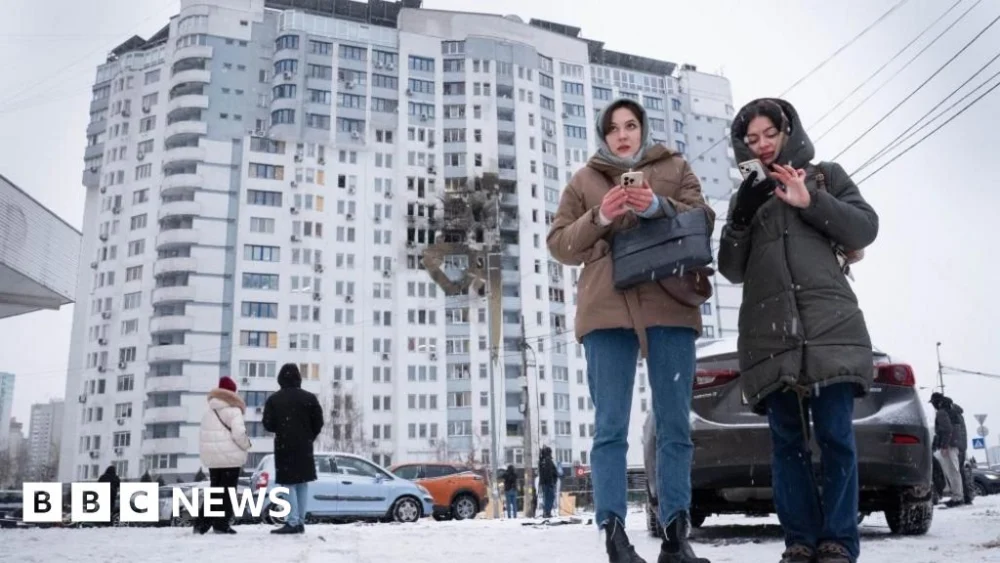
Kyiv, Ukraine – A noticeable lull in hostilities has descended upon Ukraine following a significant public statement by former US President Donald Trump, who claimed Russian President Vladimir Putin had agreed to a temporary halt in attacks on Kyiv and other Ukrainian cities during a severe cold snap. The Kremlin has acknowledged receiving Trump’s request, though details of any specific agreements remain scarce, adding a layer of uncertainty to the situation.
Overnight into Friday, air raid alerts were registered in only eight Ukrainian regions, a considerably lower number than often seen in recent months. Tragically, two individuals sustained minor injuries in the Zaporizhzhia region. This relative calm comes as temperatures in the capital, Kyiv, are forecast to plummet to a brutal -24 degrees Celsius (-11 degrees Fahrenheit) in the coming days. Russia has previously intensified its aerial assaults on Ukraine’s critical energy infrastructure during colder periods since the full-scale invasion commenced in February 2022.
While Kyiv has experienced periods of reduced aerial bombardment in the past, it remains unclear whether this latest quieter night is a direct consequence of the purported agreement between Trump and Putin. Kremlin spokesman Dmitry Peskov confirmed on Friday that Putin had indeed received a personal request from Trump to cease strikes on Kyiv until February 1st, with the stated aim of fostering favorable conditions for peace talks. However, Peskov declined to elaborate on the specifics of any discussions or agreements.
Ukrainian officials had been bracing for a potential surge in attacks over the weekend, particularly in anticipation of the current extreme cold. If this anticipated offensive does not materialize, it could represent a significant development in US-led diplomatic efforts to de-escalate and ultimately end the protracted conflict.
Ukraine’s air force reported that over 100 drones and one ballistic missile were launched at regions near the front lines overnight. However, as of Friday morning, there were no reports of new attacks targeting the electricity and heating infrastructure that is vital for keeping the population warm amid the biting cold.
During a televised cabinet meeting in Washington D.C. on Thursday, Trump stated, "I personally asked President Putin not to fire into Kyiv and the various towns for a week, and he agreed to do that." He further commented, "It was very nice. A lot of people said, ‘Don’t waste the call, you’re not going to get that.’ And he [Putin] did it." Trump characterized the Ukrainians’ reaction as one of relief, noting, "Almost they didn’t believe it, but they were very happy about it because they are struggling badly."
Ukrainian President Volodymyr Zelensky subsequently acknowledged Trump’s statement on social media, referring to it as an "important statement about ‘the possibility of providing security for Kyiv and other Ukrainian cities during this extreme winter period’." Speaking to reporters on Friday, Zelensky clarified that there had been no "direct dialogue or agreement" with Russia specifically to pause attacks on energy infrastructure. However, he indicated that Ukraine would reciprocate if Moscow were to demonstrate such restraint.
In a related development, Ukraine has been targeting oil depots and refineries within Russia, aiming to disrupt Moscow’s ability to finance its ongoing military operations.
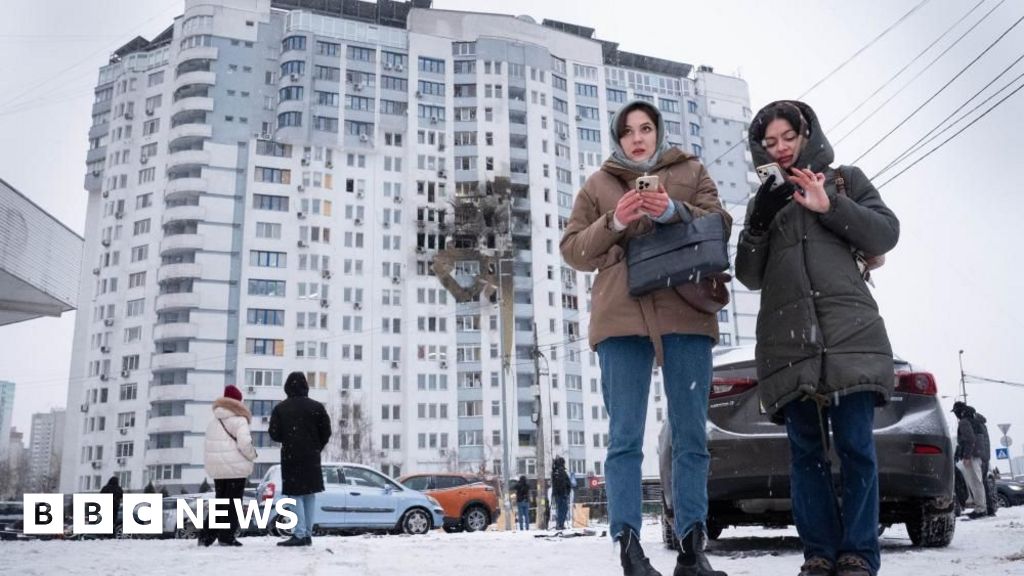
Meanwhile, residents of Kyiv have expressed a degree of skepticism regarding the alleged deal brokered by Trump. Olena, a Kyiv resident, voiced her doubts, stating, "I don’t believe that Putin will stop even for a week. We have seen so many talks and deals but, nevertheless, he continues to do what he wants." Despite her skepticism, she added, "We have survived -20C recently, and if air strikes decrease even a little, then we’ll overcome the next week as well."
Hennadiy, another resident, echoed Olena’s disbelief about Russia ceasing its attacks but conveyed a glimmer of hope. "If we get a one-week respite, it will be good," he said. "These days, -30C is a catastrophe for us. Before it was OK and we could cope." The psychological and practical toll of prolonged power outages and heating disruptions during extreme cold is immense, with some reports indicating temperatures inside apartments have dropped to as low as 4-5 degrees Celsius.
This development follows a series of trilateral talks held in the United Arab Emirates the previous week, involving Russian, Ukrainian, and US negotiators. These were the first such discussions since the war began in 2022. While all parties involved described the talks as constructive, and President Zelensky confirmed that a pause in Russian attacks during the cold snap had been discussed, no concrete agreement was publicly announced at the time.
The continuation of attacks in the period following those talks led to significant disruptions in power supply to major Ukrainian cities, leaving millions without heating and electricity. Kyiv’s Mayor, Vitaly Klitschko, reported that 378 apartment blocks in the capital remained without heating. Emergency electrical crews have been working around the clock to repair damaged infrastructure, but their efforts are frequently undone by ongoing Russian air attacks. Even when power is restored, it often lasts only for a few hours, insufficient to substantially warm homes, though adequate for charging essential devices.
A second round of peace talks, initially scheduled to take place in Abu Dhabi on Sunday, may now be subject to postponement and relocation. President Zelensky cited "what’s happening between America and Iran" as a potential reason for the change. Trump has recently escalated rhetoric against Tehran, threatening military action over its crackdown on nationwide protests and its nuclear program.
Months of US-mediated negotiations on a peace plan have been ongoing, with a significant point of contention being Ukraine’s potential cession of territory to Russia. Moscow currently occupies approximately one-fifth of Ukraine, including much of the eastern Donbas region. Russia is reportedly demanding that Kyiv relinquish control of the Donbas areas it has not yet captured by force. Conversely, Ukraine is understood to be seeking the return of control over its largest nuclear power plant, the Zaporizhzhia Nuclear Power Plant, which is currently occupied by Russian forces.
President Zelensky reiterated Ukraine’s firm stance on territorial integrity, stating on Friday, "We are not ready for compromises that violate territorial integrity. We will not hand Donbas or the Zaporizhzhia nuclear power plant to the Russians without a fight."
Additional reporting by Ben Hatton.


 Roy Suryo