atisusanti
The prospect of hailing a taxi with no human driver at the wheel is inching closer to reality in the UK, with Waymo, the US-based driverless car pioneer, expressing hopes to launch a commercial robotaxi service in London as early as September this year. This ambitious timeline, however, hinges on the UK government’s regulatory roadmap, which currently outlines plans to amend legislation in the latter half of 2026 to permit such services. While a specific date remains elusive, the government’s proactive stance and support for Waymo’s efforts signal a strong commitment to embracing autonomous vehicle technology.
Waymo, a subsidiary of Google’s parent company, Alphabet, recently showcased a fleet of its sophisticated autonomous vehicles at London’s Transport Museum. These vehicles, currently undergoing extensive mapping operations on London streets with safety drivers at the helm, represent a significant step towards a future where passengers can summon a ride without human intervention. The company confirmed that a pilot service is slated to commence in April, offering a precursor to the full commercial launch.
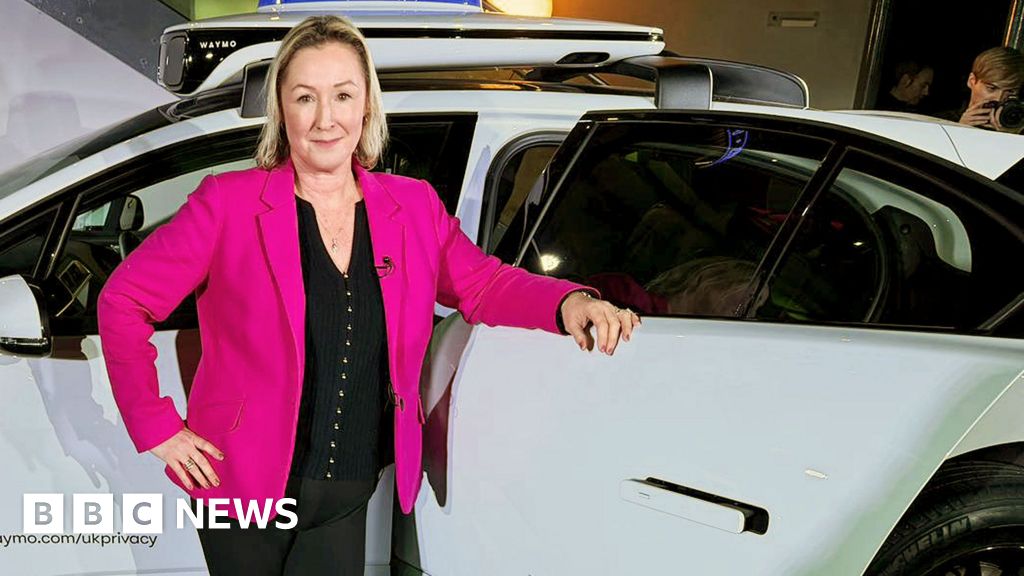
Lilian Greenwood, the UK’s Local Transport Minister, has been a vocal proponent of this technological shift, stating, "We’re supporting Waymo and other operators through our passenger pilots, and pro-innovation regulations to make self-driving cars a reality on British roads." Greenwood, who attended Waymo’s London showcase, articulated a vision of enhanced urban safety, positing that driverless vehicles possess inherent advantages over human drivers. "We know that unlike human drivers, automated vehicles don’t get tired, don’t get distracted and don’t drive under the influence," she remarked. However, she stressed that stringent safety standards, encompassing robust protection against hacking and cyber threats, will be a non-negotiable prerequisite before these vehicles are granted permission to operate on public roads.
The economic implications of this burgeoning industry are substantial. The UK government estimates that the autonomous vehicle sector could inject an impressive £42 billion into the national economy by 2035, simultaneously creating an estimated 40,000 new jobs. This projection underscores the transformative potential of self-driving technology, not just in transportation but also in broader economic growth.
Once regulatory hurdles are cleared and the service is operational, passengers will be able to book Waymo robotaxis through a dedicated mobile application. Initially, these services are not expected to include airport drop-offs, suggesting a phased approach to service expansion.
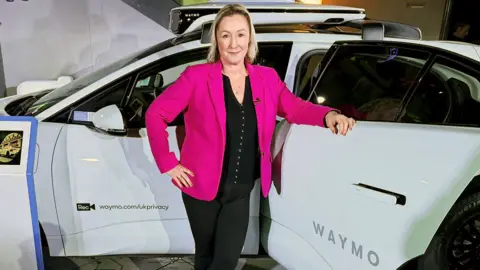
The Waymo vehicle’s sophisticated sensing capabilities are central to its autonomous operation. It employs a suite of four interconnected sensor systems: lidar (light detection and ranging), vision cameras, radar, and microphones. This integrated system provides the vehicle with a comprehensive 360-degree awareness of its surroundings, capable of detecting objects up to three football fields away and performing reliably even in adverse weather conditions. The collected data is then processed in real-time by a powerful onboard computer, enabling the vehicle to make critical driving decisions and react instantaneously to dynamic road scenarios.
Regarding pricing, a Waymo spokesperson indicated that fares would be positioned as "competitive" yet "premium," with the expectation that prices will fluctuate based on demand, likely increasing during peak periods. This dynamic pricing model is a common feature in ride-sharing services and reflects market forces.
Waymo is not the sole contender in the UK’s burgeoning robotaxi landscape. Rival companies, including ride-sharing giants Uber and Lyft, have also expressed their readiness to deploy driverless taxi services in the UK once the regulatory framework is in place. Notably, Waymo has partnered with Jaguar for its fleet, utilizing the Jaguar I-PACE electric SUV. In contrast, both Uber and Lyft have forged alliances with the Chinese technology firm Baidu, signalling a global collaboration in the pursuit of autonomous mobility.
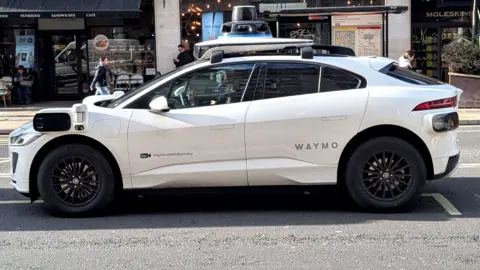
Waymo boasts an impressive track record, having accumulated over 173 million miles of fully autonomous driving, predominantly within the United States. The company currently operates a substantial fleet, with 1,000 robotaxis deployed in San Francisco and another 700 in Los Angeles. While the technology has proven remarkably capable, there have been isolated incidents reported concerning vehicle malfunctions, occasionally leading to passengers being temporarily stranded. These instances, though rare, highlight the ongoing need for rigorous testing, continuous refinement, and robust contingency planning as the technology matures and its deployment scales up. The successful integration of driverless taxis into the UK’s urban fabric will depend not only on technological prowess but also on public trust, regulatory oversight, and a commitment to safety and reliability. The upcoming September launch, if realized, will mark a significant milestone in this transformative journey.




 Roy Suryo

 George Anjay
 Nakalama John
 Ramos Leo