
 George Anjay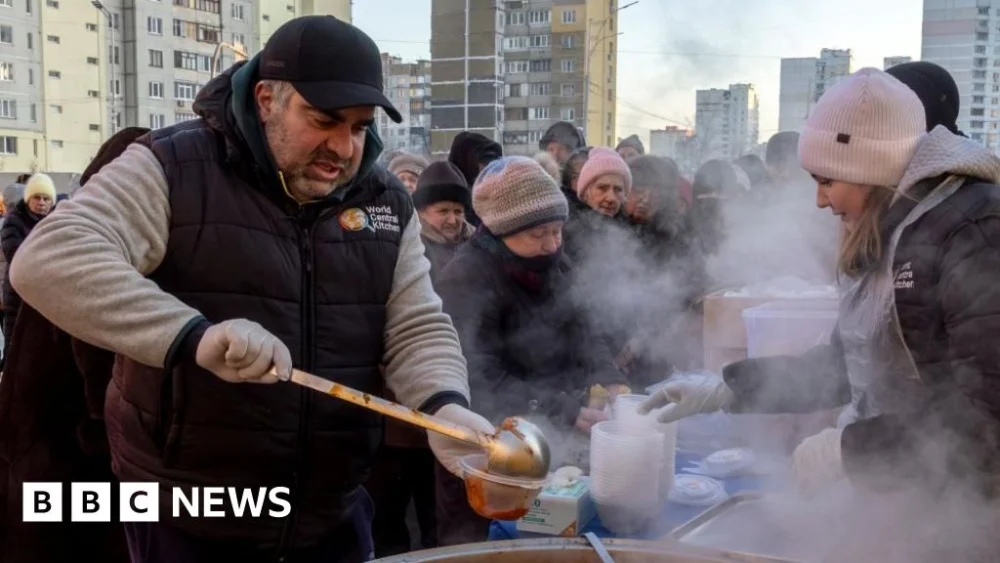
Russia’s relentless assaults on Ukraine’s vital energy infrastructure on Monday night, as temperatures plummeted to a brutal -20C (-4F), have been unequivocally condemned as "barbaric" and "particularly depraved" by UK Prime Minister Sir Keir Starmer. The stark assessment from the UK leader came in the wake of a crucial phone call with US President Donald Trump, held mere hours after Russia unleashed a wave of strikes targeting power plants and critical infrastructure across the capital, Kyiv, and other regions.
These renewed attacks by Moscow followed a week-long lull in hostilities, a period that President Trump had specifically requested from Russian President Vladimir Putin to observe as a severe cold snap gripped Ukraine. In the immediate aftermath, Trump had publicly declared that Putin had "kept his word" and expressed a desire for the war to conclude. However, the subsequent escalation casts a grim shadow over ongoing diplomatic efforts. Top US envoys are scheduled to convene with negotiators from both Russia and Ukraine in Abu Dhabi on Wednesday and Thursday, aiming to salvage a peace process.
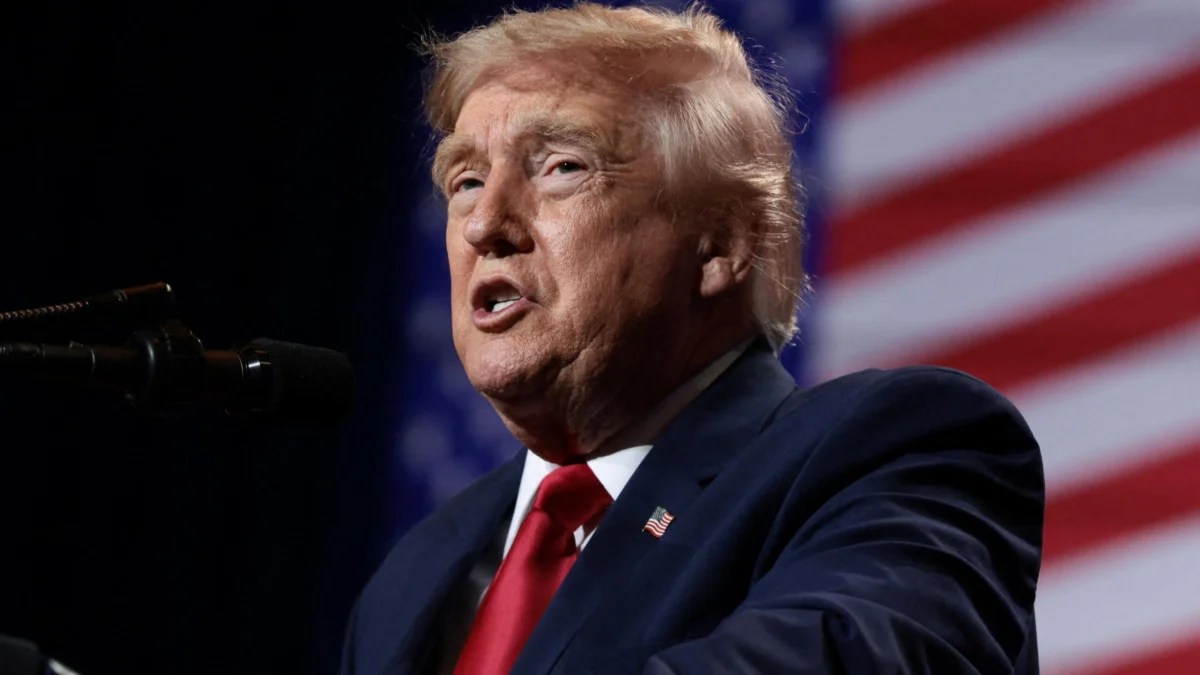
When pressed by reporters about his reaction to Russia’s renewed offensive, President Trump acknowledged the timing, stating, "it [the agreement] was on Sunday, and he [Putin] went from Sunday to Sunday. It’s a lot, you know, one week, we’ll take anything, because it’s really, really cold over there." This statement, while acknowledging the temporary reprieve, highlights a perceived pragmatic acceptance of a short-term ceasefire, even as the underlying conflict persists.
The ramifications of Monday’s strikes have been devastating and far-reaching. In Kyiv alone, over 1,000 tower blocks were left without heating, plunging residents into further hardship amidst the freezing conditions. The eastern city of Kharkiv suffered irreparable damage to a key power plant, a blow that will severely hamper its ability to recover and restore essential services. The human cost is immense, with countless residents forced to seek refuge overnight in metro stations, some resorting to pitching tents on the platforms in a desperate attempt to shield themselves from the biting cold.
In response to the escalating crisis, Ukrainian authorities have been working tirelessly to establish communal kitchens and heating centres across Kyiv, providing a lifeline for citizens grappling with the dual threat of power outages and sub-zero temperatures. The nation is also actively seeking to import additional generators to bolster its capacity to manage extended blackout periods as engineers race against time to repair the extensive damage inflicted by the Russian onslaught. The ongoing damage to energy infrastructure underscores Ukraine’s critical need for sustained international support.
The Ukrainian government has repeatedly voiced concerns over a significant shortage of missiles, issuing urgent appeals to its allies to expedite the delivery of much-needed defensive weaponry. In a clear demonstration of solidarity and urgency, NATO’s Secretary-General Mark Rutte visited Kyiv just hours after the attacks. He emerged from the visit with a strong call to member countries, urging them to "dig deep in their stockpiles" and provide the crucial missiles that Ukraine requires to defend its infrastructure and its people. The strategic importance of these missile supplies cannot be overstated, as they represent a critical element in Ukraine’s ability to counter aerial attacks and protect its civilian population.
President Trump has been at the forefront of international efforts to broker an end to the protracted conflict. However, his Russian counterpart has remained steadfast in his refusal to accede to calls for a comprehensive ceasefire. The current diplomatic push is being spearheaded by US envoys Steve Witkoff and Jared Kushner, Trump’s son-in-law, who are engaged in intensive discussions with Russian and Ukrainian negotiating teams in Abu Dhabi. Their objective is to hammer out the details of a US-proposed peace deal, a complex undertaking fraught with significant challenges.
The most contentious issue on the negotiation table revolves around Russia’s unwavering demand for Ukraine to cede control of the remaining territory in the eastern industrial region of Donbas that Moscow does not currently occupy. This demand remains a significant hurdle to any potential peace agreement, reflecting the deep-seated territorial ambitions of the Russian Federation. Despite its strategic importance, Russia has made only incremental progress in gaining control of this region in recent months, highlighting the resilience of Ukrainian forces. The full-scale invasion launched by Russia into its neighbour in February 2022 has plunged the region into a protracted humanitarian crisis, with devastating consequences for millions of lives. The international community continues to watch these developments with bated breath, hoping for a resolution that will bring an end to the suffering and destruction.



 Roy Suryo

 Nakalama John
 atisusanti
 Ramos Leo
