
 atisusanti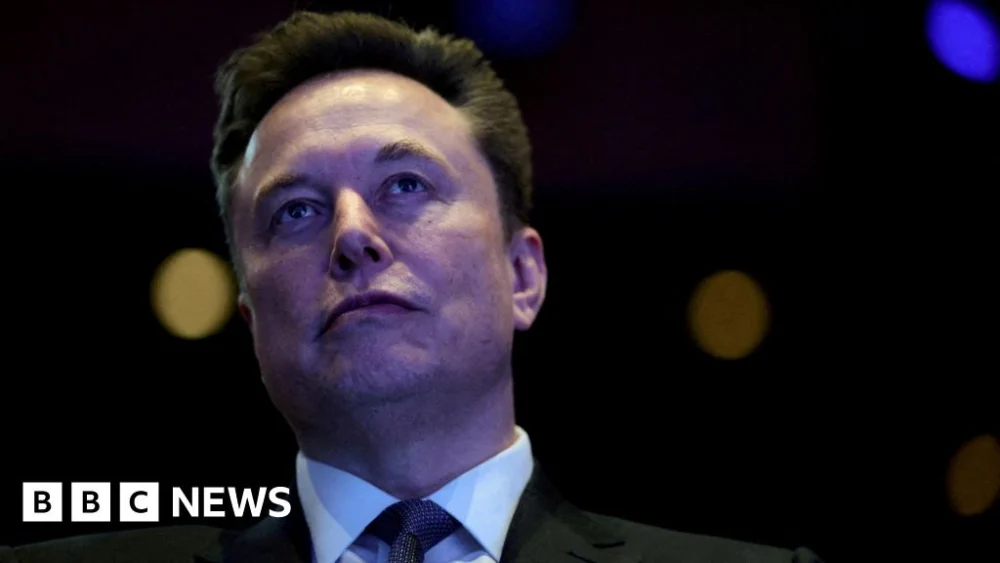
Elon Musk’s ambitious aerospace company, SpaceX, has submitted a groundbreaking application to the US Federal Communications Commission (FCC) proposing the deployment of a staggering one million satellites into Earth’s orbit. This audacious plan, unveiled on Friday, is not for enhanced global internet coverage, but rather to serve as colossal "orbital data centres" designed to power the burgeoning demands of artificial intelligence (AI). The company’s application asserts that this radical approach represents the most cost- and energy-efficient method for meeting the escalating global requirement for AI computing power, a demand that is rapidly outstripping the capabilities of terrestrial infrastructure.
Traditionally, the backbone of AI processing and data storage has resided within vast, energy-intensive data centres housed in warehouses. These facilities are replete with powerful servers that crunch numbers and store immense datasets. However, SpaceX contends that the relentless expansion of AI applications, from sophisticated chatbots to complex scientific simulations, is pushing the limits of what can be managed from the ground. Their proposal envisions a network of solar-powered satellites operating in low-Earth orbit, at altitudes ranging from 500 to 2,000 kilometers (approximately 310 to 1,242 miles), as a viable and necessary solution.
This proposed constellation would represent a monumental increase in SpaceX’s orbital presence. The company’s existing Starlink network, a sprawling constellation of nearly 10,000 satellites, has already drawn criticism for contributing to orbital congestion. While Musk has consistently refuted these claims, the prospect of a million additional satellites amplifies these concerns. The application, however, does not specify a timeline for the ambitious project, leaving the phased rollout and deployment strategy open to speculation.
SpaceX’s vision extends beyond mere data processing. The company claims that this colossal orbital data network would possess the computing capacity to serve "billions of users globally." Furthermore, it posits this endeavor as a foundational step towards achieving "Kardashev II-level civilisation." This concept, derived from the theoretical work of Soviet astronomer Nikolai Kardashev in the 1960s, describes a civilization capable of harnessing the total energy output of its host star. For SpaceX, this translates to leveraging the Sun’s full power through an extensive network of solar-collecting satellites.
Musk himself took to his social media platform, X, to address the scale of the undertaking, emphasizing the sheer vastness of space. He wrote, "The satellites will actually be so far apart that it will be hard to see from one to another. Space is so vast as to be beyond comprehension." This statement aims to allay fears of a densely packed sky, highlighting the immense volumes of space available at the proposed operational altitudes.
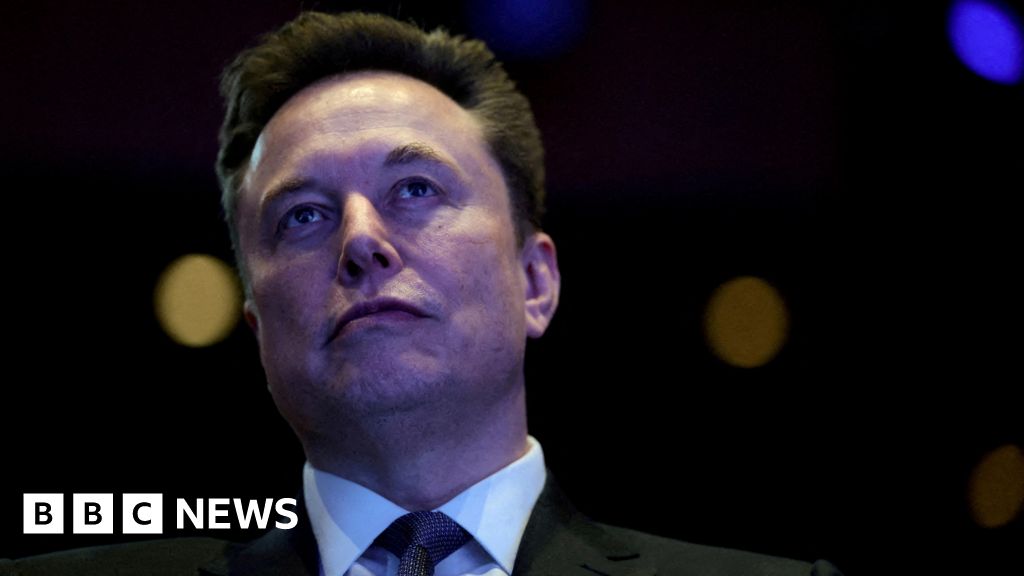
The concept of "orbital data centres" is not exclusive to SpaceX; other firms are reportedly exploring similar avenues. SpaceX, however, champions its proposal as a more environmentally conscious alternative to conventional data centres. Traditional facilities are notorious for their immense power consumption and the substantial water resources required for cooling systems. By situating data processing in orbit, powered by solar energy, SpaceX suggests a pathway to a greener digital future.
Despite the purported environmental benefits, the challenges associated with launching and maintaining such a vast satellite network are considerable. Experts have previously highlighted the substantial costs associated with deploying hardware into orbit. Furthermore, the infrastructure required for the protection, cooling, and continuous operation of these orbital data centres presents complex engineering hurdles. The growing amount of space debris in Earth’s orbit also poses a significant physical risk to such delicate hardware.
The impact on astronomical observation remains a significant point of contention. In 2024, astronomers voiced considerable frustration, describing radio waves emanating from the Starlink network as "blinding" their telescopes and severely hindering their research. The introduction of a million additional satellites could potentially exacerbate these issues, creating new forms of interference and further complicating efforts to study the cosmos.
Musk has, in the past, been a vocal critic of the notion that his satellites are excessively occupying orbital space or impeding the ambitions of other space ventures. His persistent defense suggests a belief in the inherent scalability of space and the potential for multiple entities to coexist and innovate within it.
The application to the FCC marks a pivotal moment in the evolution of both space exploration and artificial intelligence. If approved and realized, SpaceX’s vision of orbital data centres could fundamentally reshape how we approach AI computation, potentially ushering in an era of unprecedented processing power while simultaneously raising profound questions about orbital sustainability, astronomical observation, and the future governance of near-Earth space. The sheer ambition of deploying a million satellites for AI underscores Musk’s characteristic drive to push the boundaries of technological feasibility, aiming to solve critical global challenges through audacious, space-based solutions. This endeavor, if successful, could redefine humanity’s relationship with both artificial intelligence and the final frontier. The implications of such a large-scale deployment are far-reaching, touching upon economic, environmental, and scientific considerations, and will undoubtedly be the subject of intense scrutiny and debate in the years to come. The proposal is a bold statement of intent, signaling SpaceX’s unwavering commitment to shaping the future of technology from the vantage point of Earth’s orbit.



 George Anjay
 Nakalama John
 Ramos Leo
 Roy Suryo
 Nana Banana