
 George Anjay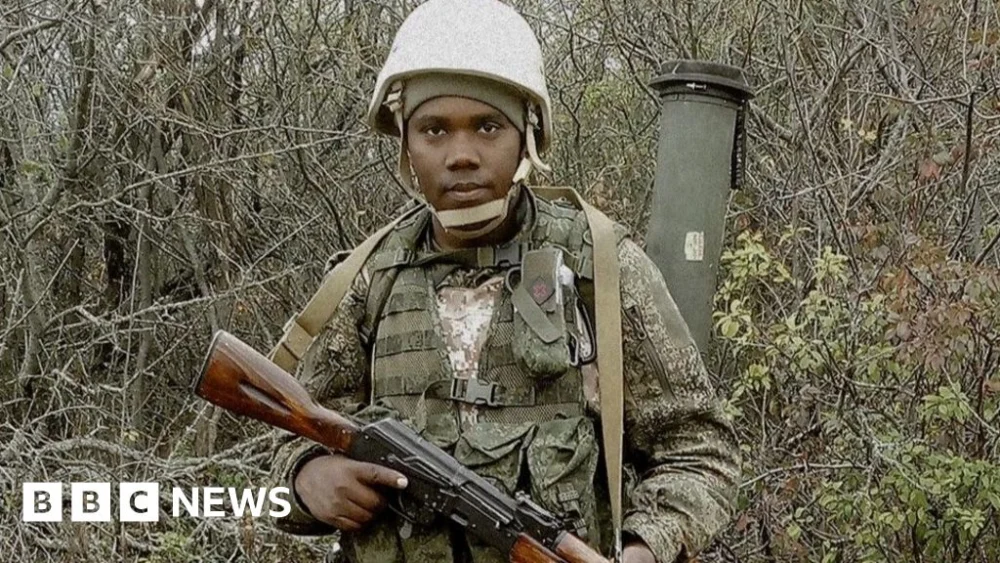
Kenya is poised to engage directly with Russia regarding the deeply concerning and, as described by Nairobi, "unacceptable" recruitment and deployment of Kenyan citizens to fight in the ongoing conflict in Ukraine. Foreign Minister Musalia Mudavadi, in a candid interview with the BBC, characterized the clandestine operations as a "very unfortunate episode" that tarnishes the otherwise "positive and cordial relations" that have historically existed between Kenya and Russia since Kenya’s independence. The Kenyan government estimates that approximately 200 of its nationals have been drawn into the war, a figure that remains fluid and difficult to ascertain precisely, given that none of these individuals are believed to have traversed official government channels for their passage.
Minister Mudavadi articulated Nairobi’s diplomatic strategy, which will focus on robustly curbing these illicit recruitment practices. This will involve frank discussions with Moscow concerning visa policies and the establishment of bilateral labor agreements that explicitly exclude any form of military conscription. The Kenyan authorities have been proactive on the domestic front, having already shuttered over 600 recruitment agencies that are suspected of luring Kenyans with false promises of lucrative overseas employment. The human cost of these deceptive schemes is stark, with 27 Kenyans who had been fighting for Russia having already been repatriated. Upon their return, these individuals are receiving essential psychological care to help them cope with the trauma they have endured and to facilitate a process of "de-radicalization."
The emotional and logistical challenges faced by the families of those who have perished in the conflict are profound. "Families that we’ve spoken to say they have not been able to bury their loved ones because their bodies are still on the other end," Minister Mudavadi revealed, highlighting the complex international diplomacy required to repatriate the remains. "It is difficult because, remember, it depends on where the body has been found. There some have been found in Ukraine – we are also working with the government of Ukraine to try and get the remains of those people repatriated." The discovery of more bodies of Kenyan citizens who had been recruited to fight for the Russian armed forces has amplified the pressure on the Kenyan government to take decisive action.
Some of the affected families have voiced their frustration, placing the blame squarely on the Kenyan government for its perceived failure to adequately regulate and criminalize these clandestine recruitment agencies. However, Minister Mudavadi firmly rejects this assertion, emphasizing the government’s commitment to combating these illegal operations. "You cannot blame the government on this," Mudavadi told the BBC. "Where there are illegal recruitment agencies, we have scrapped them and we continue to scrap them." This assertion underscores the ongoing efforts by Kenyan authorities to dismantle the networks that exploit vulnerable citizens.
The scale of foreign recruitment into the Russian war effort is a broader international concern. Ukrainian intelligence assessments suggest that over 1,400 individuals from 36 African countries have been recruited to fight for Russia. It is important to note that Ukraine itself has faced criticism in the past for recruiting foreign nationals, including Africans, to fight on its behalf. Ukrainian officials have consistently issued stern warnings, stating that any individual fighting for Russia will be classified as an enemy combatant. They emphasize that the only secure pathway for such individuals to ensure their safety and avoid the full force of military engagement is to surrender and be treated as prisoners of war.
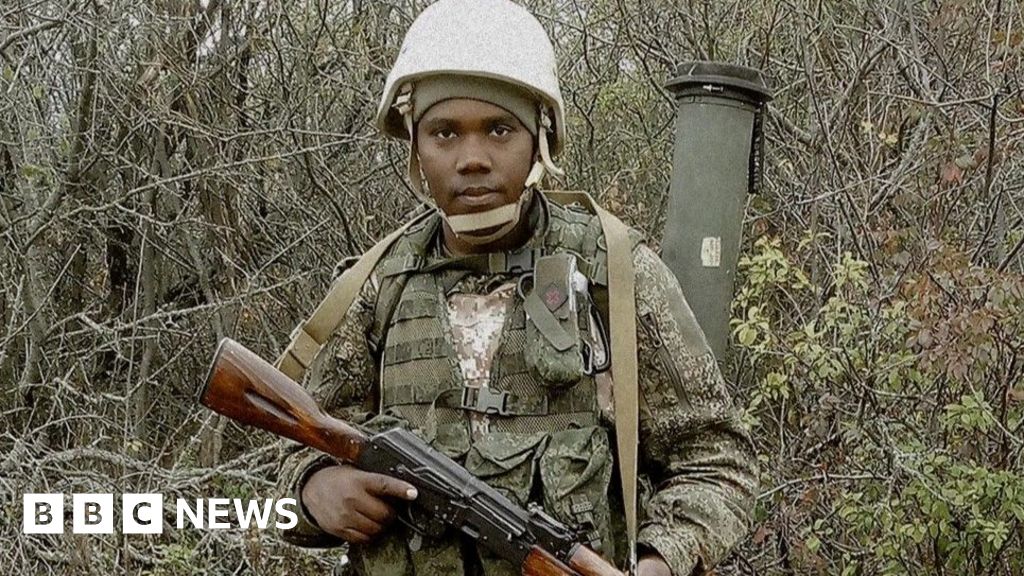
The image accompanying the report depicts Clinton Mogesa, aged 29, identified by Ukraine’s Defence Intelligence as having died while fighting for Russia. His presence in a military uniform, holding a rifle, serves as a poignant visual testament to the harsh realities faced by those who have been ensnared in this conflict. The BBC’s reporting on this issue is further bolstered by additional contributions from Basillioh Rukanga, indicating a comprehensive approach to covering this sensitive and evolving international story. The situation underscores the complex geopolitical landscape in which Kenya finds itself, navigating its historical ties with Russia while confronting the devastating consequences of illegal recruitment and the tragic loss of its citizens’ lives on foreign soil.
The recruitment of foreign nationals into armed conflicts is a deeply problematic practice, often preying on individuals seeking economic opportunity or lured by false promises. The Kenyan government’s strong stance against these clandestine operations reflects a commitment to protecting its citizens and upholding national sovereignty. The forthcoming engagement with Russia is therefore a critical step in seeking accountability and preventing future exploitation. The unresolved issue of repatriating the bodies of deceased Kenyan soldiers highlights the urgent need for swift diplomatic intervention and cooperation between Kenya, Russia, and Ukraine to ensure that the fallen are afforded a dignified return and their families can begin the process of closure.
The government’s efforts to shut down recruitment agencies and provide support to repatriated individuals demonstrate a growing awareness of the severity of the problem and a commitment to addressing its multifaceted impacts. However, the sheer number of alleged recruits suggests that the recruitment networks are extensive and operate with a degree of sophistication that challenges even robust government intervention. The international dimension of this crisis cannot be overstated, as it involves multiple nations and raises complex questions about international law, human rights, and the responsibilities of states in preventing the exploitation of their citizens abroad. The Kenyan government’s proactive approach, while commendable, will require sustained diplomatic pressure and international cooperation to effectively dismantle these illicit operations and bring perpetrators to justice.
The broader implications of this situation extend beyond the immediate concern for Kenyan citizens. It highlights a pattern of exploitation that can affect individuals from various nations, particularly those facing economic hardship. The conflict in Ukraine has unfortunately become a breeding ground for such activities, where desperate individuals are preyed upon by those seeking to bolster their military ranks through any means necessary. The Kenyan government’s determination to confront Russia directly signifies a refusal to accept the status quo and a demand for accountability for the unacceptable use of its nationals in a foreign conflict. This situation serves as a stark reminder of the human cost of war and the importance of robust international mechanisms to protect vulnerable populations from exploitation.



 Roy Suryo

 Nakalama John
 atisusanti
 Ramos Leo
