George Anjay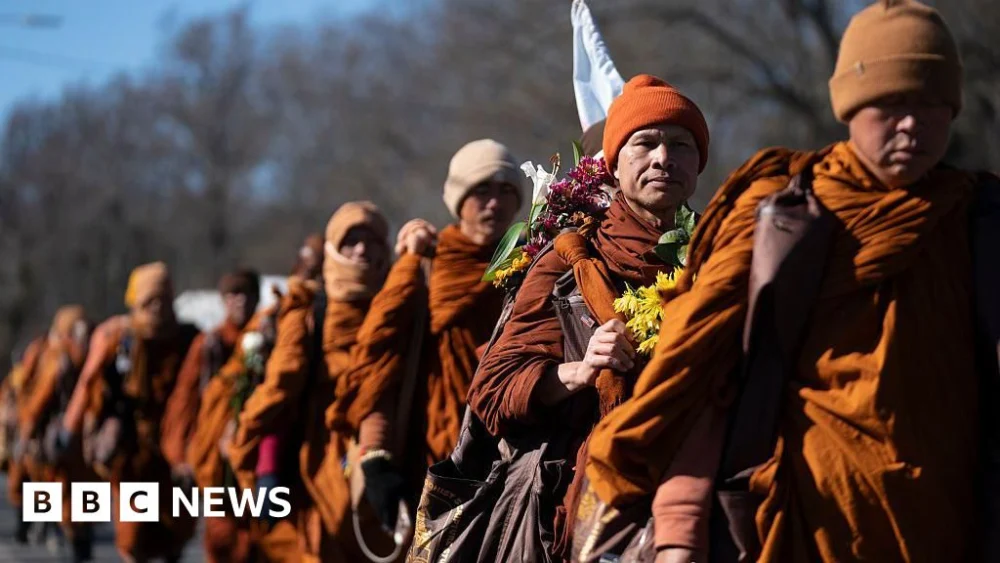
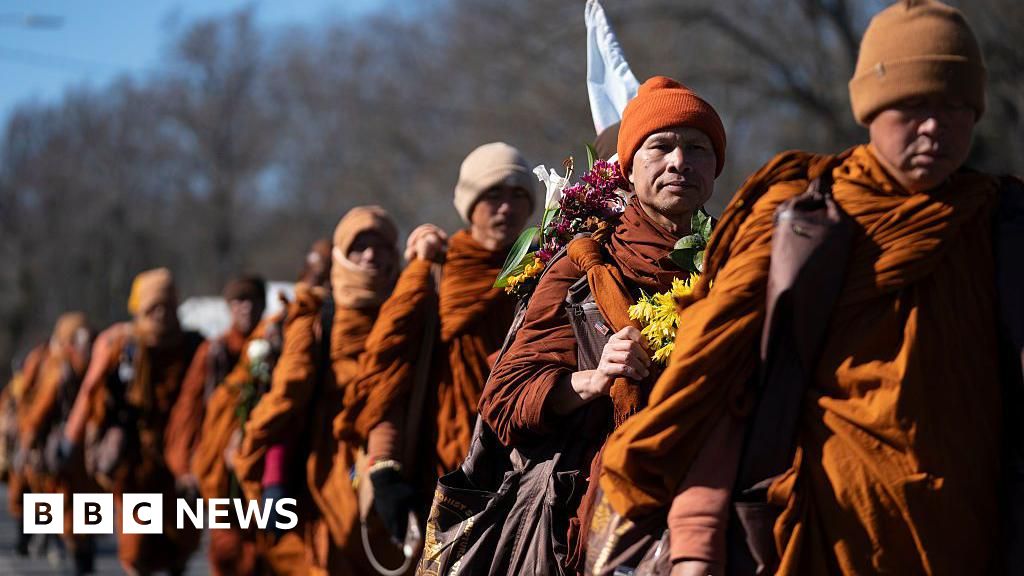
A profound testament to peace and mindfulness is culminating today as a dedicated group of Buddhist monks prepares to complete their extraordinary 108-day, 2,000-mile "Walk of Peace" from Fort Worth, Texas, to the heart of the United States capital, Washington D.C. This arduous journey, undertaken with unwavering resolve, has traversed diverse landscapes and weathered challenging conditions, including prolonged periods of snow and freezing temperatures, captivating the attention of millions across a nation grappling with deep political polarization. The monks’ silent, single-file procession, often undertaken barefoot as a symbol of humility and connection to the earth, has transformed into a viral phenomenon, sparking conversations about compassion, mindfulness, and the universal yearning for peace.
The genesis of this remarkable trek can be traced back to October 26, 2025, when the 19 traveling monks, hailing from Theravada Buddhist monasteries across the globe, embarked on their mission from the Huong Dao Vipassana Bhavana Center in Fort Worth. Their objective extends beyond mere physical endurance; it is a spiritual pilgrimage intended to disseminate a message of inner peace and contemplative living. As the Venerable Bhikkhu Pannakara, the group’s spiritual leader, articulated, "My hope is, when this walk ends, the people we met will continue practicing mindfulness and find peace." This sentiment has resonated deeply with the many Americans who have encountered the monks along their route, offering moments of quiet reflection amidst the often tumultuous currents of daily life.
Upon their arrival in Washington D.C., the monks are scheduled to engage in a series of meaningful visits, including stops at the revered Washington National Cathedral and the iconic Lincoln Memorial. These sites, imbued with historical and spiritual significance, provide a fitting backdrop for the culmination of their journey. Beyond these symbolic visits, the group reportedly harbors a desire to advocate for the recognition of Buddha’s birthday, known as Vesak, as a national holiday. However, the impact of their expedition has already transcended this specific policy aspiration.
The profound impact of their presence has been acknowledged by spiritual leaders from various faiths. Washington Episcopal Bishop Mariann Budde, who will be among those hosting the monks at an interfaith reception, shared her sentiments with the Associated Press, stating, "Their long journey and gentle witness invite us all to deepen our commitment to compassion." This collaborative spirit underscores the universal appeal of the monks’ message, transcending religious and cultural boundaries. The interfaith reception itself serves as a powerful symbol of unity and shared humanity, brought about by the monks’ dedication to peace.
The final leg of their cross-country pilgrimage commenced on Tuesday morning in Arlington, Virginia, a mere five miles from the U.S. Capitol building. A live stream of their progress, broadcast on the group’s Facebook account, offered a poignant glimpse into their journey. Viewers witnessed the monks navigating through lingering piles of snow, a stark reminder of the challenging winter they have endured. The emergence of above-freezing temperatures on this final day offered a welcome contrast, coinciding with the return of warmer weather across much of the eastern United States after weeks of record cold. The footage also captured the heartfelt support of onlookers lining the route, their cheers providing a visible testament to the public’s admiration for the monks’ commitment.
The online community has responded with an outpouring of support and gratitude. One poignant comment, reflecting the sentiments of many, read, "May you be safe and warm. Thank you for your walk of peace. We desperately need this in our world now." This sentiment encapsulates the profound need for messages of peace and compassion in contemporary society. For the past 108 days, a number considered sacred in Buddhism, symbolizing spiritual completion and the overcoming of worldly desires, the monks have meticulously followed this single-file path, each step a deliberate act of mindfulness.
However, the journey has not been without its profound challenges and heartbreaking incidents. In November, a tragic accident occurred in Houston, Texas, when an escort vehicle accompanying the monks was struck by a truck. This devastating collision resulted in injuries to two of the monks, with one tragically suffering the amputation of his leg. The resilience and unwavering spirit displayed by the monks in the face of such adversity further underscore the depth of their commitment to their mission. Their dedication to continuing the walk, despite such profound personal hardship, serves as an extraordinary example of inner strength and devotion.
While their journey to Washington D.C. has been a testament to their physical and spiritual fortitude, the return trip to Texas is expected to be considerably more straightforward. The monks are slated to travel back by bus, with their arrival in Fort Worth anticipated for Saturday. This contrast in travel modes highlights the deliberate nature of their walk, emphasizing the journey itself as a practice of mindfulness and spiritual discipline, rather than simply a means to an end. The 2,000-mile trek, a significant undertaking for any individual, let alone a group dedicated to silent contemplation, has undoubtedly left an indelible mark on both the monks and the communities they have encountered.
The significance of the 108-day duration is deeply rooted in Buddhist tradition. The number 108 is considered sacred and auspicious, often associated with the overcoming of 108 earthly desires or afflictions that hinder spiritual progress. By undertaking a walk of this duration, the monks are symbolically engaging in a profound practice of purification and spiritual cultivation. Each step taken, each mile traversed, can be viewed as an act of shedding these attachments and moving closer to enlightenment. This symbolic weight imbues their journey with a deeper spiritual meaning, extending beyond the physical act of walking across the country.
The monks’ adherence to a simple, austere lifestyle throughout their journey further amplifies their message. Often seen walking in saffron robes, their visible devotion and detachment from material comforts serve as a powerful contrast to the consumerist culture prevalent in many parts of the world. Their willingness to endure hardship, from the elements to the physical toll of prolonged walking, underscores their commitment to a path of non-violence and inner peace. This dedication has inspired many to reflect on their own lives and the choices they make, prompting introspection and a potential reevaluation of personal values.
The media’s extensive coverage of the Walk of Peace has played a crucial role in amplifying the monks’ message to a global audience. The viral nature of their journey, fueled by social media and news reports, has brought their quiet plea for peace to the forefront of public consciousness. In an era often characterized by conflict and division, the image of these monks walking peacefully across America serves as a powerful beacon of hope and a reminder of the enduring human capacity for compassion and understanding. The visual contrast of their serene procession against the backdrop of bustling highways and diverse American landscapes has become an iconic representation of their mission.
The impact of the monks’ presence is not limited to grand pronouncements or policy discussions. It is often found in the small interactions, the shared smiles, and the moments of quiet contemplation they inspire in those they encounter. From the roadside well-wishers to the communities that have offered them sustenance and shelter, the Walk of Peace has fostered a sense of connection and shared purpose. This grassroots impact, spreading organically through human interaction, is arguably the most profound and lasting legacy of their journey. The monks’ silent witness has spoken volumes, reminding people of the power of simple acts of kindness and the universal desire for a more peaceful world.
As the final steps are taken on the National Mall, the culmination of this extraordinary 108-day pilgrimage marks not an end, but a transition. The physical journey may conclude, but the ripple effects of the monks’ message of peace, mindfulness, and compassion are poised to continue spreading, inspiring individuals and communities to embrace a more harmonious way of living. Their walk has been a powerful reminder that peace is not merely the absence of conflict, but an active cultivation of understanding, empathy, and inner tranquility, one step at a time. The sight of these dedicated individuals, having traversed thousands of miles with unwavering devotion, will undoubtedly leave an enduring imprint on the American consciousness, serving as a poignant call to action for a more peaceful and compassionate future.




 Roy Suryo

 Nakalama John
 atisusanti
 Ramos Leo