
 atisusanti
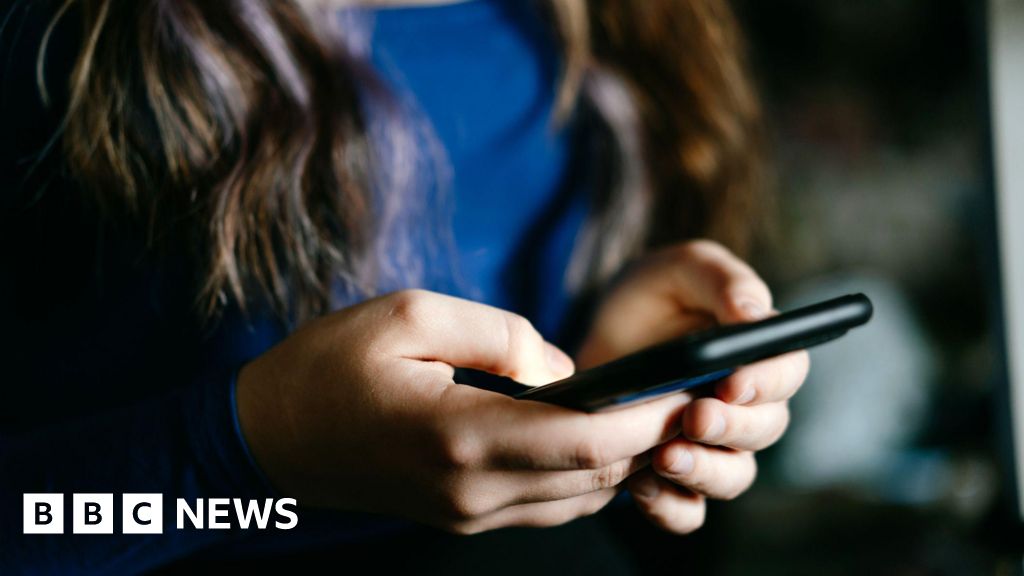
Children are being relentlessly exposed to advertisements for highly potent weight loss injections and pills on social media platforms, a deeply concerning revelation from a new report by the Children’s Commissioner for England. The report paints a stark picture of young people, as young as 13, being "bombarded" with marketing for products that promise radical body transformations and appearance changes, despite existing regulations that ostensibly ban such advertising. This pervasive digital onslaught is having an "immensely damaging" effect on their self-esteem and mental well-being, according to Dame Rachel de Souza, the Children’s Commissioner. She has issued a strong call for an immediate and comprehensive ban on social media advertising directed at children, highlighting the urgent need for a safer online environment.
The findings of Dame Rachel’s report are based on a robust survey of 2,000 children aged between 13 and 17, who detailed the potentially harmful products they encountered online. This quantitative data was further enriched by insights gleaned from two in-depth focus groups, providing a nuanced understanding of the lived experiences of these young individuals. The survey respondents reported seeing not only advertisements for weight loss injections and pills but also a range of other products aimed at altering appearance, including diet foods and drinks, and alarmingly, skin-lightening products, some of which may be illegal to sell within the UK. The pervasive nature of beauty-related content online was also a recurring theme, with participants describing it as "unavoidable." This includes posts promoting cosmetic procedures such as lip fillers, further contributing to an environment where body image ideals are constantly being pushed and amplified.
The implications of this widespread exposure are profound. Dr. Peter Macaulay, a senior lecturer in Psychology at the University of Derby, has lent his expert voice to the debate, asserting that ending advertising targeted at children on social media is a "necessary step." He believes that the proposed regulations should extend even further, advocating for a more holistic approach to child online safety. "Alongside restrictions, we need stronger platform accountability, better enforcement of age-appropriate design, and education that helps children understand and critically navigate online pressures," Dr. Macaulay stated, emphasizing the multi-faceted nature of the challenge. He argues that simply blocking ads is not enough; children need to be equipped with the critical thinking skills to discern and resist the constant barrage of idealized and often unattainable beauty standards presented online.
Dame Rachel’s report outlines several concrete solutions aimed at addressing this critical issue. A key recommendation is to amend the Online Safety Act (OSA) to incorporate a "clear duty of care" for social media platforms. This would legally obligate these companies to actively prevent the display of advertisements for harmful products, particularly those targeting children. The Online Safety Act, a significant piece of legislation, is designed to create a safer internet for UK citizens, with a particular focus on protecting children. It mandates online platforms to adhere to a set of laws and duties, with enforcement overseen by the media regulator, Ofcom. The Act requires firms to swiftly remove harmful material once identified, underscoring the principle of proactive safeguarding.
Further recommendations from Dame Rachel include specific additions to Ofcom’s Children’s Code of Practice, aiming to "explicitly protect children from body stigma content." While Ofcom has indicated that the current Code already addresses "non-designated content" that can be harmful, the Commissioner’s emphasis on explicit protection highlights the perceived gap in current provisions. A spokesperson for Ofcom stated, "Body stigma content can be incredibly harmful to children, which is why our codes require sites and apps to protect children from encountering it, and to act swiftly when they become aware of it." This suggests a need for clearer guidelines and potentially more stringent enforcement mechanisms to ensure this protection is robust and effective.

Beyond content regulation, Dame Rachel also calls for intensified regulation and enforcement concerning the online sale of age-restricted products. This could involve the government exploring the possibility of restricting children’s access to certain social media platforms altogether, a measure that reflects the severity of the problem. "Urgent action is needed to create an online world that is truly safer by design," Dame Rachel declared, emphasizing the need for a proactive and preventative approach rather than a reactive one. She articulated a powerful sentiment: "We cannot continue to accept an online world that profits from children’s insecurities and constantly tells them they need to change or must be better." This statement underscores the ethical imperative to protect vulnerable young minds from commercial exploitation that preys on their developing sense of self.
In response to these concerns, a government spokesperson has acknowledged that the Online Safety Act was not intended as the final word on child online safety. They confirmed that the government has recently launched a national consultation focused on "bold measures to protect children online." This consultation is exploring a range of potential interventions, including the significant possibility of banning social media use for individuals under the age of 16. This proactive stance indicates a growing recognition of the profound risks associated with unfettered social media access for young people and a willingness to consider far-reaching policy changes to mitigate these harms. The consultation process is expected to involve extensive dialogue with stakeholders, including parents, educators, child welfare organizations, and the technology industry, to inform the development of effective and proportionate solutions.
The psychological impact of these advertisements on children cannot be overstated. In an era where social media often dictates trends and societal norms, children are particularly susceptible to the pressures of conforming to idealized body images. The constant exposure to advertisements promoting quick fixes for perceived physical imperfections can foster a deeply unhealthy relationship with food, exercise, and their own bodies. This can manifest in various ways, including the development of eating disorders, body dysmorphia, anxiety, and depression. The focus on external validation and the relentless pursuit of an unattainable ideal can significantly hinder a child’s ability to develop a healthy and positive self-image, impacting their overall well-being and future development. The report’s findings serve as a critical wake-up call, urging a comprehensive societal response to safeguard children from the detrimental influences of the digital world. The interplay between advertising, body image, and mental health in young people requires immediate and sustained attention from policymakers, regulators, tech companies, and parents alike. The goal must be to cultivate an online environment that fosters healthy development, self-acceptance, and resilience, rather than one that capitalizes on insecurity and promotes potentially harmful interventions.




 George Anjay
 Nakalama John
 Ramos Leo
 Roy Suryo
 Nana Banana