
 George Anjay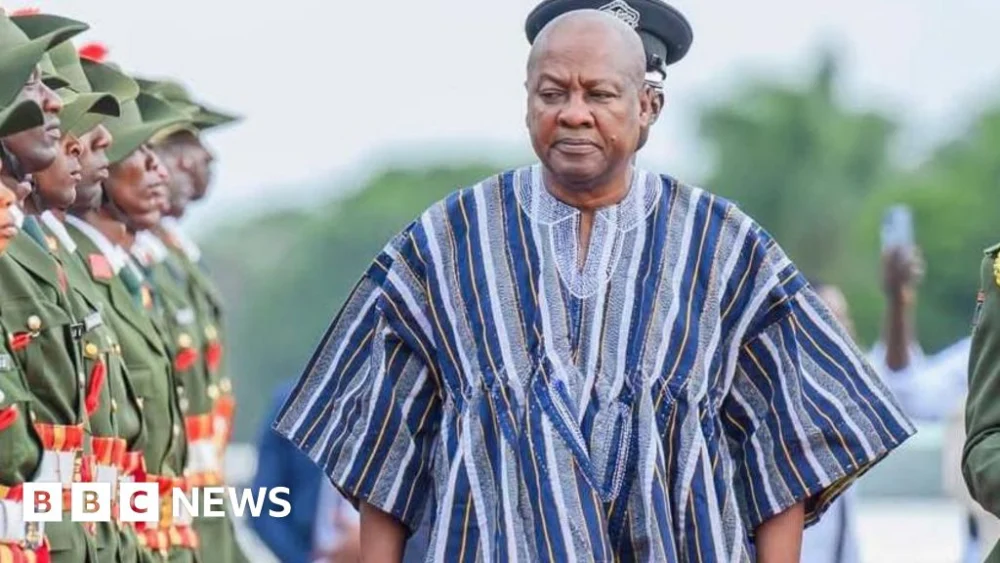
The genesis of this cultural celebration can be traced back to a recent state visit by Ghana’s President John Dramani Mahama to Zambia. During the visit, President Mahama was photographed wearing a striking fugu, a traditional top from Ghana’s northern regions. The image, shared widely, unfortunately, attracted some lighthearted mockery from Zambian social media users who, perhaps unfamiliar with its cultural significance, jokingly referred to it as a "blouse." This seemingly innocuous comment, however, ignited a passionate defense of the fugu from Ghanaians across the diaspora, transforming a moment of potential cultural insensitivity into a powerful affirmation of national identity and heritage.
Responding to the online debate and the ensuing surge of pride in Ghanaian attire, Ghana’s Minister for Tourism, Arts and Culture, Abla Dzifa Gomashie, announced the establishment of Fugu Day. Speaking on Tuesday, Minister Gomashie articulated the strategic importance of this initiative, stating that the weekly embrace of the fugu would serve to "project the country’s identity with pride on the global stage." She further encouraged all Ghanaians to wear the fugu in its "diverse forms, designs, and expressions, complemented by its distinctive and beautiful accessories," emphasizing the garment’s multifaceted appeal.
The fugu itself is a garment steeped in history and cultural significance. Traditionally crafted in Ghana’s northern territories, it is meticulously hand-woven from narrow strips of thick cotton fabric, which are then expertly stitched together to form a unique, poncho-style garment. Its robust construction and distinctive silhouette have made it a symbol of royalty, authority, and cultural heritage for generations. Worn by traditional leaders in the north and by ordinary citizens alike, the fugu embodies a deep connection to Ghana’s ancestral roots and its rich tapestry of traditions.
Minister Gomashie highlighted the far-reaching social and economic benefits that this nationwide adoption of the fugu is expected to generate. By encouraging the regular wearing of the garment, the government aims to provide a significant boost to local weavers, designers, artisans, and traders who are instrumental in its creation and dissemination. This focus on the "creative economy" underscores the government’s commitment to leveraging cultural assets for sustainable economic development and empowering local communities. The initiative is envisioned not just as a fashion statement but as a deliberate strategy to stimulate commerce and preserve traditional craftsmanship.
"The government hopes that this collective embrace of Fugu will strengthen national unity, stimulate the creative economy, and serve as a powerful symbol of Ghana’s cultural confidence and self-expression," Minister Gomashie declared, encapsulating the overarching goals of Fugu Day. The initiative is designed to foster a sense of shared identity and pride among Ghanaians, regardless of their regional background, by celebrating a garment that has transcended its origins to become a national emblem.
The response to the announcement was immediate and enthusiastic. On Wednesday, Ghanaians across the country heeded the minister’s call, proudly donning the fugu in a kaleidoscope of colors and designs. Social media platforms were awash with images and videos of individuals showcasing their attire, transforming the digital space into a vibrant gallery of Ghanaian fashion and heritage. The fugu, which had been trending for days following the online banter, experienced a renewed surge in popularity, with many Ghanaians informally reviving "Fugu Friday" initiatives that had previously been encouraged by the government. This revival of the tradition speaks to the deep-seated affection and pride Ghanaians hold for their cultural attire.
The online exchange between Ghanaians and Zambians, though initially sparked by a lighthearted observation, had a profound impact, drawing the attention of high-profile figures. Notably, Zambian President Hakainde Hichilema, impressed by the cultural exchange and the beauty of the fugu, announced that his country would be placing an order for the Ghanaian garment. This gesture of cross-continental appreciation further amplified the significance of the fugu and highlighted the potential for cultural diplomacy.
In response to President Hichilema’s announcement, Ghanaian President Mahama echoed the sentiment, suggesting that Ghana would be ready to export the smock in bulk to Zambia. This proposed economic collaboration underscores the transnational appeal of Ghanaian culture and the potential for mutually beneficial partnerships rooted in shared appreciation for traditional crafts.
President Mahama also took the opportunity to underscore the fugu’s deep historical and political resonance. He pointed out that Ghana’s revered founding father and Pan-Africanist icon, Kwame Nkrumah, wore the fugu on Ghana’s Independence Day in 1957, a symbolic act that cemented the garment’s status as a symbol of national liberation and self-determination. Furthermore, President Mahama himself recently wore the fugu proudly at the United Nations, demonstrating its continued relevance on the international stage and its suitability for even the most formal occasions. The tradition of Ghanaian leaders embracing and publicly promoting the fugu is a long-standing one, with former presidents such as Nana Akufo-Addo, John Kufuor, and Jerry John Rawlings also having championed the attire throughout their tenures. Their consistent endorsement has played a crucial role in elevating the fugu’s profile and ensuring its enduring legacy.
The designation of Fugu Day is thus more than just a promotional campaign; it is a powerful declaration of Ghana’s cultural sovereignty, a testament to the resilience of its traditions, and a celebration of the artistry and heritage embodied in the fugu. It serves as a reminder that cultural pride can be a potent force for national unity, economic empowerment, and global recognition. The initiative has successfully transformed an online debate into a tangible, nationwide movement, weaving together the threads of tradition, pride, and economic opportunity for generations to come.



 Roy Suryo

 Nakalama John
 atisusanti
 Ramos Leo
