
 atisusanti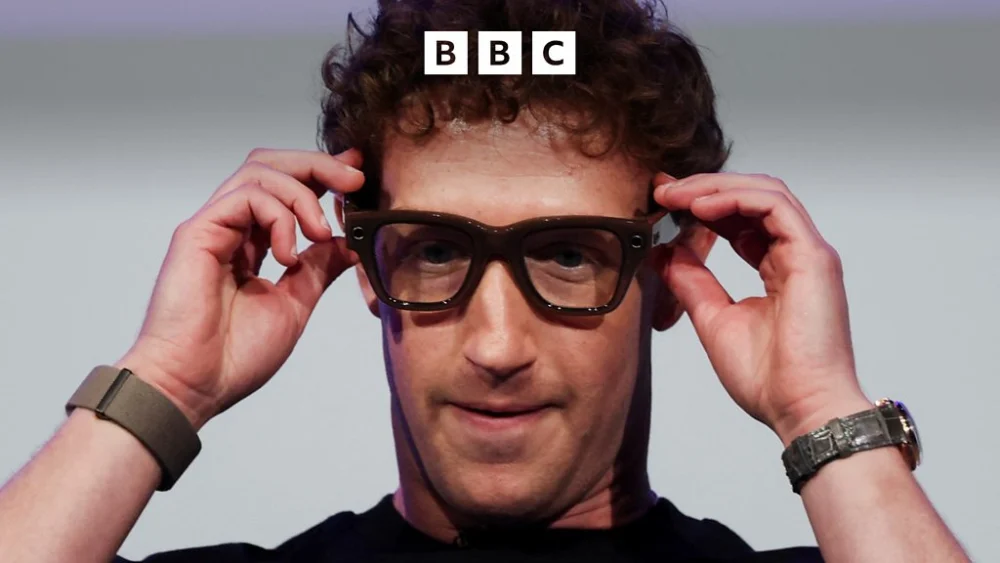
The future of eyewear is here, and it’s smarter than ever. In a compelling episode of BBC Sounds’ "Tech Life," host Shiona McCallum dives deep into the burgeoning world of smart glasses, questioning whether these cutting-edge wearables are poised to transition from niche gadgets to mainstream necessities. The episode, available for over a year and a half, features a thorough road test of the latest smart glasses by Alasdair Keane, offering listeners an in-depth look at their functionalities and potential impact on our daily lives.
The exploration begins with a fundamental question: "Would you wear smart glasses?" This isn’t just about enhanced vision; it’s about integrating technology seamlessly into our personal style. Whether you rely on prescription lenses or simply enjoy the protection and aesthetic of sunglasses, tech companies are aggressively pushing their latest smart eyewear, aiming to capture a significant share of the market. Keane’s hands-on experience provides valuable insights into the user experience, highlighting the practical applications and potential drawbacks of these devices. The segment aims to demystify smart glasses, addressing common concerns and showcasing the innovative features that could make them indispensable.
Beyond personal wearables, "Tech Life" also ventures into the realm of interactive toys with a fascinating segment on the evolution of Lego. Once a beloved childhood staple, Lego is now infusing its iconic plastic bricks with advanced technology. Shiona McCallum enthusiastically explores how these new iterations are packed with lights, sensors, and sound synthesizers, transforming traditional play into an engaging technological experience. This segment underscores the growing trend of embedding intelligence into everyday objects, making technology accessible and fun for all ages.
The episode further broadens its technological horizons by featuring a Hong Kong tech company dedicated to developing Artificial Intelligence for neglected languages. This initiative highlights the power of AI to preserve and revitalize linguistic diversity. The company’s focus on Cantonese, a language spoken by millions but often overlooked in broader AI development, demonstrates a commitment to inclusivity and cultural preservation. This segment serves as a powerful reminder that technological advancements can have profound societal and cultural implications, reaching far beyond entertainment and personal convenience.
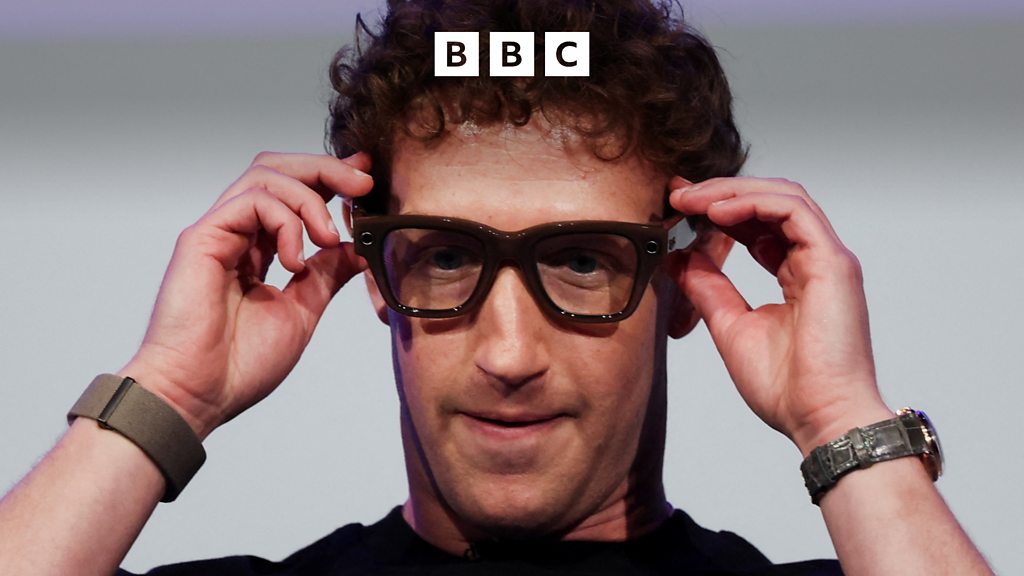
The visual accompaniment to the episode includes a striking image of Mark Zuckerberg, the CEO of Meta, sporting dark-rimmed smart glasses, a testament to the significant investment and belief major tech players have in this emerging market. The photograph, credited to Reuters, visually anchors the discussion about the mainstream potential of smart glasses.
"Tech Life," produced by Tom Quinn, consistently delivers engaging content that explores the cutting edge of technology and its impact on society. The "Would you wear smart glasses?" episode, with its diverse range of topics from personal wearables to educational toys and linguistic AI, exemplifies the program’s commitment to providing listeners with a comprehensive and thought-provoking overview of the technological landscape. The episode’s availability for an extended period ensures that this important discussion remains accessible to a wide audience.
The core appeal of smart glasses lies in their potential to augment reality in subtle yet powerful ways. Imagine navigating a new city with turn-by-turn directions overlaid directly onto your field of vision, or receiving discreet notifications without needing to pull out your phone. For professionals, smart glasses could offer real-time data access, hands-free operation for complex tasks, and enhanced communication capabilities. However, the current iteration of smart glasses still faces hurdles. Battery life, comfort, privacy concerns, and the inherent "geek factor" associated with early adoption are all points of contention that Keane likely addresses in his road test. The visual appearance of smart glasses is also a critical factor; for them to become truly mainstream, they need to blend seamlessly with personal style, looking less like clunky gadgets and more like fashionable eyewear.
The integration of AI into everyday objects, as seen with the smart Lego bricks, signifies a broader trend towards ambient computing. The idea is that technology becomes so integrated into our environment that it operates almost invisibly, anticipating our needs and responding intuitively. This can range from smart home devices that learn our routines to wearable technology that monitors our health and well-being in real-time. The Lego example, in particular, democratizes access to sophisticated technology, making it a tool for creative exploration rather than a complex system requiring specialized knowledge. This approach fosters digital literacy from a young age, preparing the next generation for a technologically saturated world.
The segment on AI for neglected languages is particularly significant in the context of global technological development. While much of the focus in AI research and development is placed on dominant languages, there’s a growing recognition of the importance of preserving and empowering minority languages. AI can play a crucial role in this by developing tools for translation, language learning, and even content creation in these languages. This not only helps to keep these languages alive but also ensures that the rich cultural heritage associated with them is not lost. The Hong Kong company’s initiative exemplifies a more inclusive and ethical approach to AI development, one that acknowledges the diverse linguistic tapestry of the world.
The question of "Would you wear smart glasses?" is not just a technological one; it’s also a social and ethical one. As these devices become more sophisticated, they raise important questions about data privacy, surveillance, and the potential for a widening digital divide. The episode of "Tech Life" likely navigates these complex issues, offering a balanced perspective on the opportunities and challenges presented by the rapid advancement of smart eyewear and other integrated technologies. The BBC’s commitment to providing in-depth and accessible reporting on these crucial topics ensures that listeners are well-informed about the technologies shaping their present and future. The programme’s consistent quality and diverse content make it a valuable resource for anyone interested in understanding the ever-evolving world of technology.



 George Anjay
 Nakalama John
 Ramos Leo
 Roy Suryo
 Nana Banana