George Anjay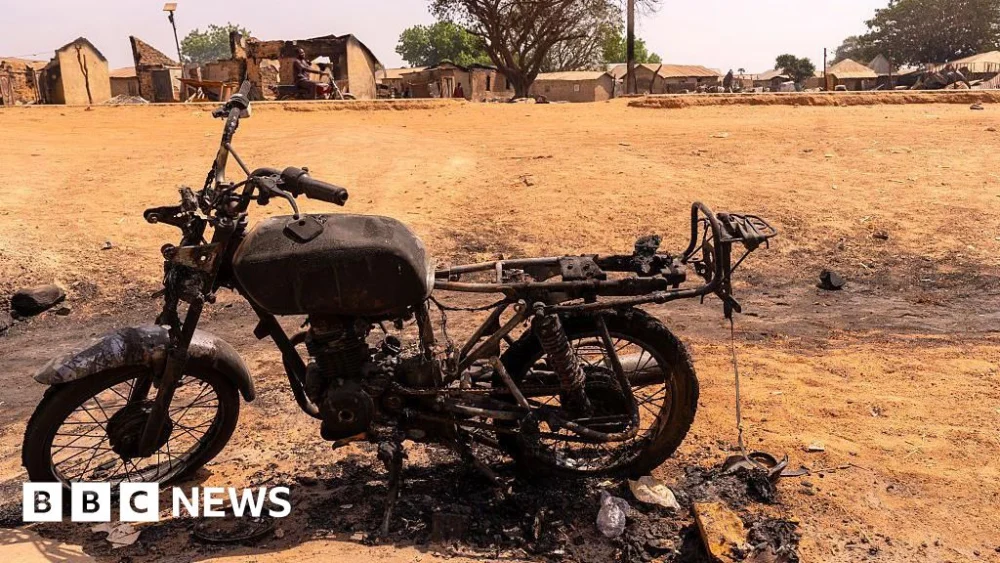
Gunmen on motorcycles, operating with chilling precision and overwhelming force, have unleashed a wave of terror across three villages in north-western Nigeria, resulting in the deaths of dozens of residents in brutal dawn raids. The coordinated assaults, which targeted Tunga-Makeri, Konkoso, and Pissa in Niger state early Saturday morning, have underscored the escalating insecurity plaguing the region and raised serious concerns about the government’s ability to protect its citizens. Local reports, corroborated by international news agencies, paint a grim picture of violence: victims were not only shot dead but also had their throats slit, their homes torched, and an "undetermined" number of individuals, including women and children, abducted.
These horrific attacks occurred in close proximity to the site of a suspected jihadist massacre earlier this month, where over 100 people were killed in a similarly savage manner. This geographical and tactical overlap raises troubling questions about the perpetrators, their motives, and the potential for a widening conflict involving various armed groups. While armed criminal gangs, commonly referred to as "bandits," have been a persistent menace in Nigeria for years, carrying out widespread attacks and kidnappings, the frequency and ferocity of these incidents in the western and central regions have seen a sharp and alarming increase.
In Tunga-Makeri, the initial target of the coordinated assault, Niger State police spokesperson Wasiu Abiodun confirmed that six people were killed. The bandits did not stop at taking lives; they also set fire to several houses, leaving families with nothing but the clothes on their backs and adding an element of arson to their reign of terror. An unspecified number of individuals were abducted, their fates now a source of agonizing uncertainty for their loved ones and the wider community.
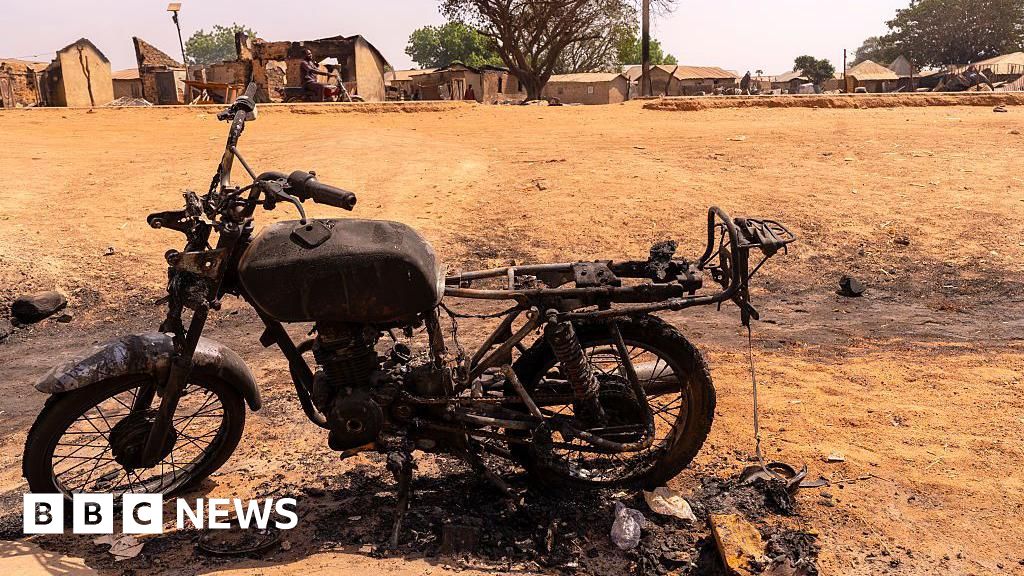
The nearby village of Konkoso bore the brunt of the violence, with witnesses reporting that almost all of its homes were reduced to ashes. The majority of the fatalities occurred here, a testament to the sheer brutality of the attackers. Adding to the tragedy, four women were abducted from Konkoso, their disappearance casting a dark shadow over the already devastated community. The methodical destruction of homes and the abduction of women suggest a calculated attempt to instill maximum fear and disrupt the social fabric of these rural settlements.
The bandits’ rampage did not end there. After leaving a trail of death and destruction in Konkoso, the heavily armed group proceeded to Pissa. There, they targeted a police station, setting it ablaze in a brazen act of defiance against law enforcement. A single individual was killed during this raid on the police station, highlighting the attackers’ disregard for authority and their willingness to confront security forces.
Conflicting reports on the exact death toll have emerged, underscoring the chaotic nature of the aftermath and the difficulty in obtaining precise figures from the remote and traumatized areas. Reuters reported a total of approximately 32 deaths across the three villages, while AFP stated that at least 46 people were killed. These numbers are considered preliminary, with reports indicating that the toll could tragically rise as more information becomes available and the full extent of the damage and loss of life is assessed. The sheer scale of the violence suggests a highly organized and well-resourced operation.
A security report cited by AFP provided a chilling detail about the attackers’ mobility and numbers: the bandits arrived on "41 motorcycles, each carrying two or three men." This indicates a force of approximately 80 to 120 individuals, demonstrating a significant logistical capability and a coordinated approach to their devastating raids. The use of motorcycles allows for rapid movement across the often difficult terrain of north-western Nigeria, enabling them to strike quickly and disappear before security forces can effectively respond.
The escalating violence in Nigeria’s north-west is a complex issue with multiple contributing factors. The region has been plagued by a confluence of problems, including ethnic tensions, resource scarcity, and a breakdown of law and order. The presence of jihadist groups, such as Boko Haram and its splinter faction ISWAP, has further destabilized the area, often collaborating with or co-opting local criminal gangs. These bandits, while sometimes driven by financial gain through kidnapping and cattle rustling, have also adopted some of the brutal tactics of their jihadist counterparts, blurring the lines between criminal enterprise and ideological extremism.
The Nigerian government, led by President Bola Ahmed Tinubu, faces immense pressure to curb this escalating wave of violence. The attacks not only threaten the lives and livelihoods of ordinary citizens but also undermine national security and deter foreign investment. The government has implemented various security measures, including military operations and community policing initiatives, but these have so far proven insufficient to stem the tide of attacks.
The international community has also expressed concern over the situation. The United States, for instance, launched Christmas Day strikes targeting Islamist militants in Nigeria’s northern Sokoto state, with then-President Donald Trump issuing a warning about further attacks if Christians continued to be targeted. However, it is crucial to note that many of the victims of jihadist violence in Nigeria are Muslim, according to organizations monitoring political violence in the country. This highlights the complex nature of the conflict, which affects diverse communities and is not solely based on religious persecution.
The attacks in Niger state represent a critical juncture for Nigeria. The sheer audacity and brutality of these raids, coupled with their proximity to other massacres, suggest a concerning escalation in the conflict. The government must move beyond reactive measures and implement comprehensive strategies that address the root causes of insecurity, including poverty, unemployment, and inter-communal disputes. Strengthening law enforcement, improving intelligence gathering, and fostering greater trust between communities and security agencies are essential steps. Furthermore, international cooperation and support may be vital in providing the resources and expertise needed to combat these sophisticated criminal networks. The lives of dozens of Nigerians hang in the balance, and the nation’s leaders must act decisively to prevent further bloodshed and restore peace to its troubled north-western regions. The image of charred motorbikes on dry grass serves as a stark and poignant reminder of the devastation left in the wake of these brutal gang raids.




 Roy Suryo

 Nakalama John
 atisusanti
 Ramos Leo