
 George Anjay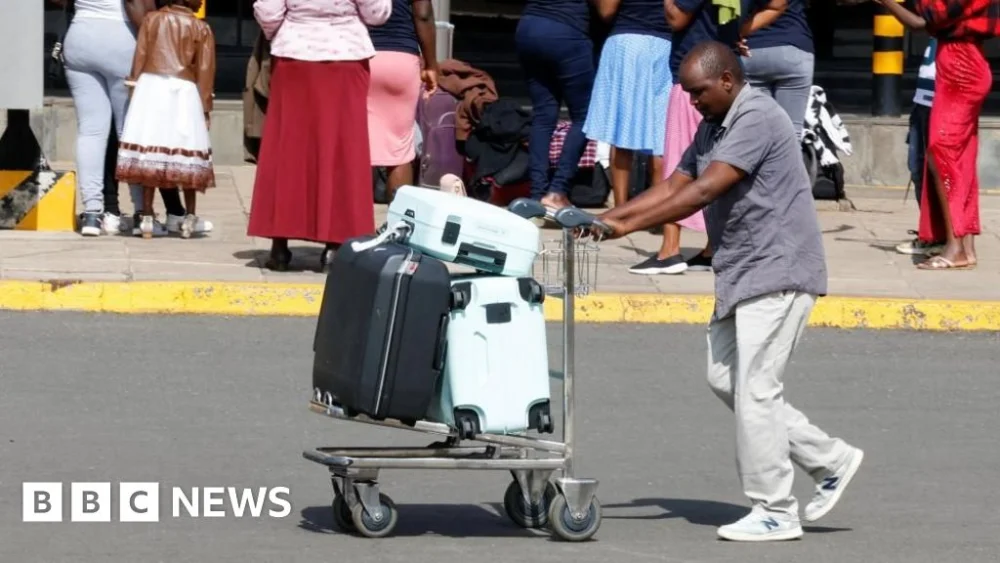
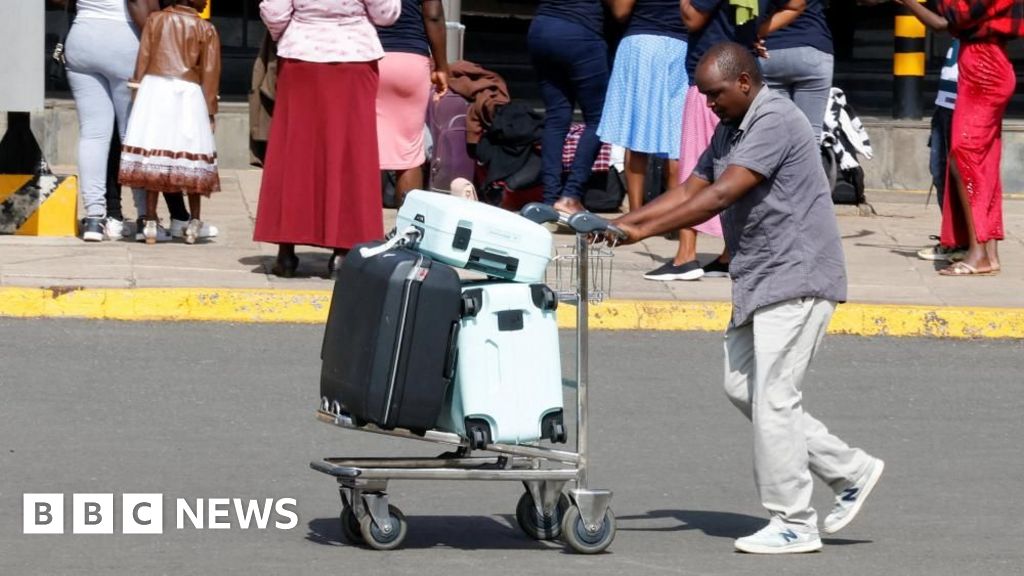
Flights in and out of Kenya’s main international gateway, Jomo Kenyatta International Airport (JKIA) in Nairobi, have been significantly disrupted due to a planned strike by aviation industry workers. The industrial action, initiated by the Kenya Aviation Workers Union (KAWU), has led to substantial delays, with departing flights experiencing wait times of up to four hours. Passengers have reported being held on aircraft for extended periods, awaiting clearance from air traffic control, which is at the heart of the dispute. The situation has created considerable inconvenience and frustration for travelers, turning the normally bustling airport into a scene of extended waiting and uncertainty.
Kenya Airways, the national airline and a major carrier operating from JKIA, confirmed the operational disruptions. In an official statement, the airline acknowledged "air traffic control operational delays affecting certain departures and arrivals." They emphasized their commitment to working collaboratively with relevant authorities to mitigate the impact of the strike and ensure the highest standards of safety and operational integrity. The airline’s proactive communication aims to manage passenger expectations and provide clarity amidst the unfolding situation.
The industrial action stems from a week-long warning issued by KAWU, which cited unresolved issues concerning wages and what they describe as poor working conditions within the aviation sector. Moss Ndiema, the Secretary-General of KAWU, informed the local Daily Nation news outlet that the strike commenced at 06:00 local time (03:00 GMT). The union’s action is reportedly affecting both passengers and airlines across the country, underscoring the widespread impact of the labor dispute. Ndiema described the situation as creating a "big backlog" with "planes are hardly leaving the airports," painting a stark picture of the operational paralysis.
The severity of the disruption has not been limited to air travel. Senator Boni Khalwale, a prominent political figure, shared his personal experience of being forced to travel by road from the western city of Kisumu due to the strike’s impact on air services. His public post on X (formerly Twitter) lamented, "This KCAA strike is really biting! Been forced to hit the road after many hours at the airport, waiting in vain." This anecdote highlights how the labor dispute is impacting individuals beyond the immediate airport environment, forcing alternative and potentially more arduous travel arrangements.
The sentiments of stranded passengers have been widely shared on social media, reflecting the palpable frustration and the extended nature of the delays. One Kenyan traveler poignantly remarked on X, "Passengers at JKIA are currently experiencing the true meaning of patience and character development." Another commenter, perhaps with a touch of dark humor, advised, "If you have a flight today just carry a mattress because you might be living at the airport," illustrating the dire conditions and the uncertainty faced by those caught in the middle of the industrial action.
At the core of the protracted labor dispute are serious allegations leveled by aviation sector workers against the Kenya Civil Aviation Authority (KCAA). The union claims that the KCAA has been deliberately stalling salary negotiations, failing to remit union dues promptly, and engaging in discriminatory practices. Furthermore, aviation workers accuse the KCAA’s management of demonstrating a persistent unwillingness to address and resolve labor disputes that have been ongoing for over a decade. This long-standing dissatisfaction forms the backdrop against which the current strike has been called.
In an attempt to preempt and halt the industrial action, the KCAA had reportedly approached the courts seeking an injunction. A labor court judge, however, has suspended the strike pending further judicial review and directions, which are scheduled for the following week. This legal maneuver indicates the government’s concern over the potential economic and logistical fallout of an extended strike at such a critical infrastructure point. The KCAA has also stated that, "in light of the planned strike," it was activating contingency measures designed to safeguard aviation safety and ensure service stability, suggesting a dual approach of legal recourse and operational preparedness.
Jomo Kenyatta International Airport is not merely a domestic transport hub; it is a vital international gateway and one of Africa’s busiest and most significant aviation centers. It serves as a crucial link between the African continent and destinations across Europe, North America, and the Middle East. In the previous year, JKIA handled an impressive volume of approximately nine million passengers, according to figures released by Kenyan authorities. This substantial passenger traffic underscores the airport’s strategic importance and the far-reaching consequences of any operational disruptions, including the current labor dispute. The strike, therefore, has implications that extend beyond Kenya’s borders, potentially affecting international travel and trade.
The current situation at JKIA highlights the delicate balance between workers’ rights to fair wages and working conditions and the imperative of maintaining seamless and efficient operations at a critical international hub. The prolonged nature of the disputes and the union’s decision to proceed with a strike despite legal interventions suggest a deep-seated dissatisfaction that requires comprehensive and lasting solutions. As the labor court deliberates and the strike continues to cause significant delays, stakeholders, including the government, aviation authorities, and the workers’ union, face mounting pressure to engage in meaningful dialogue and find a resolution that addresses the core grievances and restores normal operations at this vital airport. The ultimate resolution of this labor dispute will not only determine the immediate future of air travel in Kenya but also set a precedent for labor relations within the country’s crucial aviation sector.
The ongoing disruption at JKIA serves as a stark reminder of the interconnectedness of global travel and the potential impact of labor disputes on international commerce and tourism. The resilience and efficiency of major airports are paramount, and the current situation necessitates a swift and effective resolution to minimize further economic and social costs. The eyes of the aviation industry and affected passengers remain fixed on the developments in Kenya, hoping for a prompt return to normalcy at this pivotal African transportation hub.
Additional reporting by Richard Kagoe.




 Roy Suryo

 Nakalama John
 atisusanti
 Ramos Leo
