
 atisusanti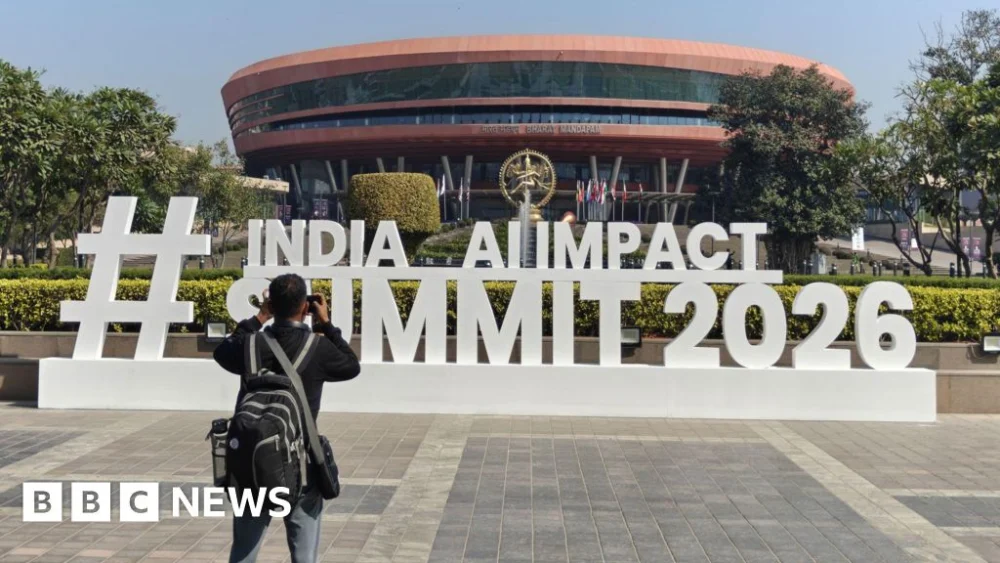
The tech titans may exhibit a more measured demeanor in Delhi, but will their presence translate into a demonstrably safer artificial intelligence landscape? This week, the Indian capital is poised to host the AI Impact Summit, a crucial gathering that could significantly shift the global discourse on artificial intelligence. Unlike previous high-profile Western-led summits, where the US and Europe have often dominated the narrative, India’s hosting of this event signals a growing assertiveness from the Global South in shaping the future of this transformative technology.
Historically, the loudest voices in the AI arena have emanated from the West, particularly from the United States and European nations. However, the AI Impact Summit in India marks a significant departure, bringing the conversation to a region that faces the considerable risk of being marginalized in the ongoing AI race. Leaders from the tech industry, alongside policymakers, scientists, academics, and advocates, are convening to engage in high-level deliberations concerning the responsible stewardship of the AI revolution. This contrasts with the competitive posturing observed in Paris, where US Vice President JD Vance unequivocally declared America’s preeminent position in AI development as non-negotiable.
A palpable sense of humility might characterize the atmosphere in Delhi. India, a nation that has been instrumental in laying the foundational groundwork for the sophisticated AI technologies we see today, is now seeking to claim a more equitable share of the rewards, which have disproportionately benefited the more affluent West. While the West has been busy with geopolitical power plays, India’s focus is on leveraging AI for its own economic advancement and to assert its digital sovereignty.
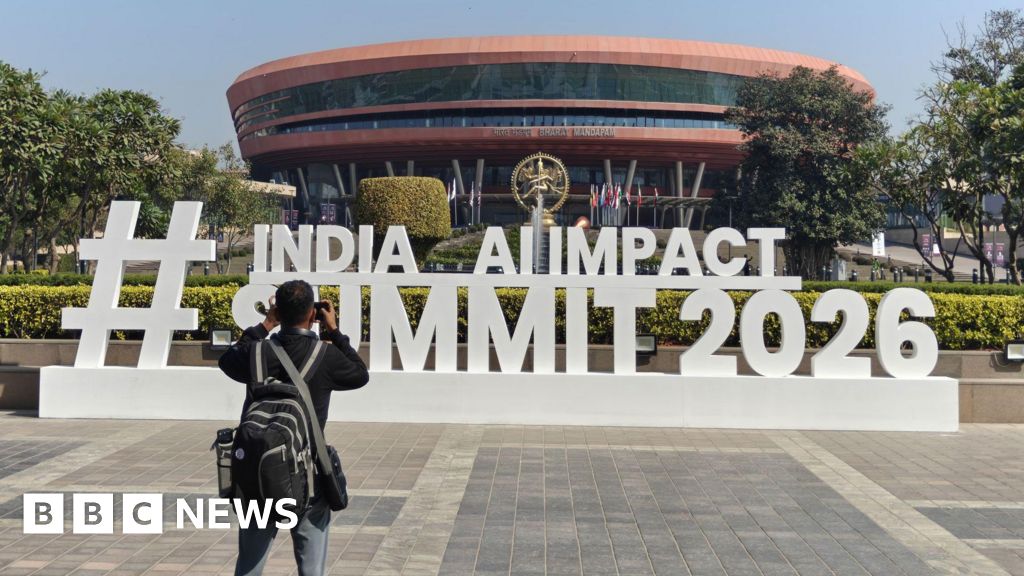
India is not a nascent player in the AI ecosystem. Significant AI hubs are flourishing in cities like Bengaluru, Hyderabad, and Mumbai, bolstered by a vast and skilled tech workforce. The country has also attracted substantial infrastructure investments from global giants such as Google, Nvidia, and Amazon. However, the narrative of AI development often overlooks the critical, yet often undervalued, labor that underpins these advancements. Karen Hao, in her book "Empire of AI," recounts the experience of an unnamed Indian firm contracted for content moderation of AI-generated images. This work, she details, involved employees sifting through deeply disturbing imagery to determine which should be withheld from public circulation – a task essential for AI safety and ethical deployment, yet often performed under challenging conditions and for modest compensation.
The stark economic disparities in AI’s global labor force are illuminated by salary benchmarks. According to Glassdoor, the average annual salary for an AI data trainer in Chennai hovers around 480,000 rupees, translating to less than £4,000 or approximately $5,000 USD. This is in sharp contrast to the staggering valuation of OpenAI, the creator of ChatGPT, which exceeds $500 billion. While these data trainers perform a vital function, the disparity highlights a significant imbalance in the distribution of wealth and recognition within the AI industry.
The International AI Safety Report of 2026 underscores a critical digital divide, noting that while AI adoption exceeds 50% in some countries, it remains below 10% across vast swathes of Africa, Asia, and Latin America. A key impediment to broader adoption is the lack of AI support for the diverse linguistic landscape of these regions. Major AI models from Western companies, including leading US AI chatbots, do not fully support India’s 22 official languages, let alone the hundreds of regional dialects. For instance, ChatGPT and Claude currently offer support for approximately half of these languages, while Google’s Gemini supports nine.
Professor Pushpak Bhattacharyya from IIT Mumbai articulated this challenge starkly to the BBC last summer: "Without tech that understands and speaks these languages, millions are excluded from the digital revolution – especially in education, governance, healthcare, and banking." In response, India is actively pursuing the development of its own sovereign AI platforms through the AI Mission, though progress has been relatively measured. While American and Chinese AI companies like DeepSeek and ByteDance are rapidly releasing new iterations of their models, many of India’s domestic initiatives are still in their developmental stages. The Indian government’s budget allocation of $1.2 billion for this ambitious project, while substantial, pales in comparison to the financial might of multinational tech corporations.
An Indian government official, speaking privately before Christmas, conveyed that India’s primary interest lies not in the geopolitical power struggles surrounding AI, but in harnessing its potential to fuel its own national growth. Rajan Anandan, Managing Director at Peak XV, one of India’s prominent tech investors, echoed this sentiment, stating, "For India, this is about more than technology, it is about economic transformation, digital sovereignty and building capability at scale." He further highlighted a strong sense of "momentum and confidence" within the country.
The AI Impact Summit in Delhi presents an opportunity for a paradigm shift, potentially compelling Western powers, particularly the US, to adopt a more collaborative and less dominant stance. Professor Gina Neff, an AI ethics expert from Queen Mary University London, suggests that the summit’s proposed "bottom-up, Global South approach to AI governance," which prioritizes people, planet, and progress, may diminish the influence of American voices. Jeni Tennison, Executive Director of the think tank Connected by Data, advocates for a unified governmental approach to AI governance, emphasizing the need to counter "unprecedented corporate power" with a more inclusive and people-centered vision. She believes that India, as a significant "middle power," can play a pivotal role in achieving this.
AI expert Henry Ajder expresses hope for "pragmatic efforts to move beyond a legislative patchwork towards meaningful consensus in addressing AI harms, maliciously caused or otherwise." Amanda Brock, CEO of OpenUK, advocates for greater transparency from AI companies, urging them to share their product methodologies to enable others to build, improve, and scrutinize AI technologies. She contends that "for this summit to have any real impact for the Global South, there needs to be access for all to AI and that can only be achieved by opening it up." While there have been some movements towards this, many AI giants continue to maintain confidentiality regarding crucial aspects, such as their training data.
A quiet concern has emerged among some AI experts regarding the perceived diminished emphasis on safety and responsibility in recent discussions. The word "safety" was notably absent from the title of the UK’s first AI Safety Summit in 2023. This shift has led some experts to express skepticism about the potential for meaningful outcomes at the Delhi summit. One expert, choosing not to attend, confided that they have "little confidence in any meaningful outcomes."
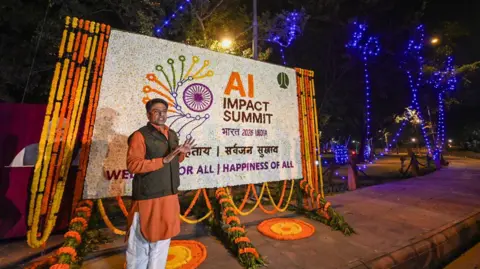
Professor Dame Wendy Hall, a distinguished British computer scientist, who is attending the summit, shares these reservations. She fears that the event may not yield significant progress on mitigating the dangers posed by AI, stating, "It’s important that we go but my expectations of anything useful coming out of it are very low." The summit’s success will ultimately be measured by its ability to translate discussions into tangible actions that foster a more equitable and secure AI future, particularly for nations in the Global South.




 George Anjay
 Nakalama John
 Ramos Leo
 Roy Suryo
 Nana Banana