
 George Anjay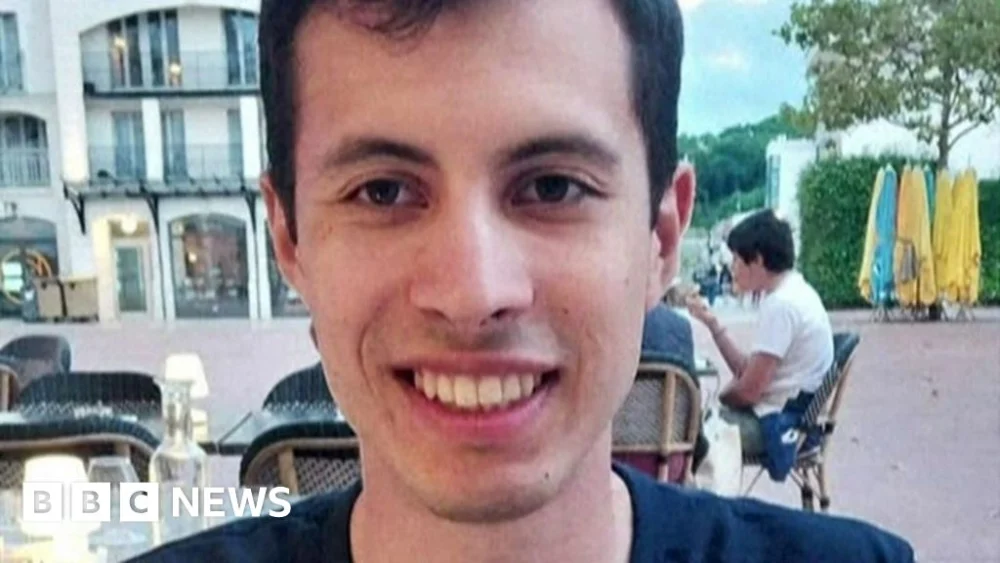
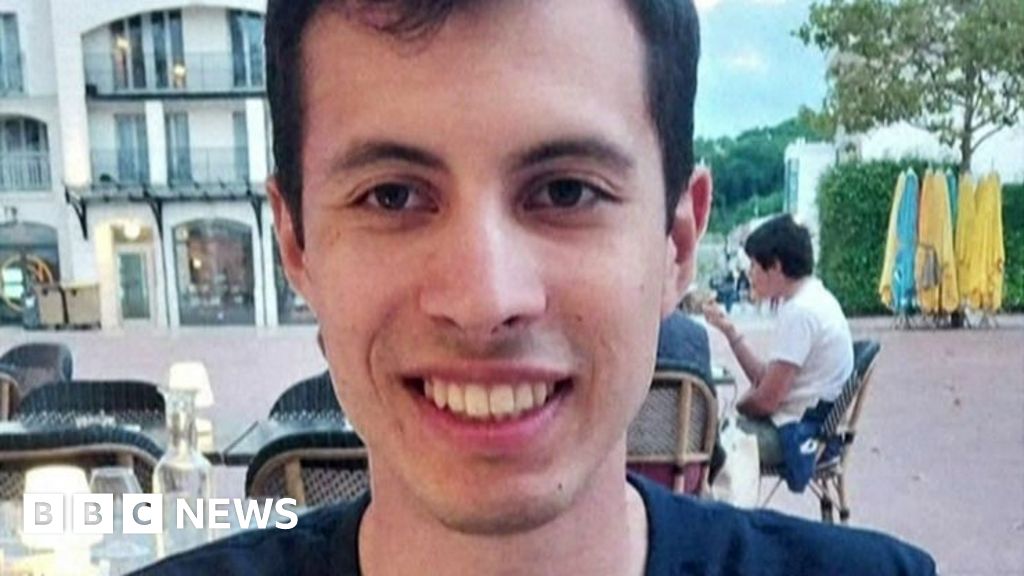
The fatal beating of a 23-year-old French nationalist activist, Quentin Deranque, in Lyon has sent shockwaves through the nation, triggering a wave of arrests and intensifying scrutiny on the far-left political party, France Unbowed (LFI). Authorities have detained 11 individuals in connection with the attack, which occurred last week on the periphery of a conference hosted by Rima Hassan, a prominent Member of the European Parliament for LFI. The escalating investigation, which has seen parliamentary aides to LFI politician Raphaël Arnault among those detained, is placing significant pressure on the hard-left party, particularly with crucial municipal elections looming less than a month away.
Quentin Deranque sustained a fatal brain injury during a violent confrontation that erupted during a protest. Videos circulating from the scene depict a chaotic melee, with hooded figures attacking a smaller group. The attack took place a short distance from Sciences Po University in Lyon, a city that has become a focal point for political tensions. A feminist anti-immigration group, Némésis, claims that Deranque was present to protect its members, and has directly accused the radical left group "Anti-Fascist Young Guard" of orchestrating the assault, an accusation the group vehemently denies.
The arrests began on Wednesday, with seven of the 11 suspects now facing charges of murder. The remaining four are under investigation for aiding and abetting others in evading law enforcement. One of the detained parliamentary aides, Jacques-Elie Favrot, has admitted to being present at the scene and engaging in violence, but his lawyer maintains that his client was not the individual responsible for the blows that proved fatal to Mr. Deranque. Favrot’s parliamentary contract has since been terminated, and the rights of the second aide have been suspended.
The incident has ignited a fierce political firestorm, with rival parties across the spectrum seizing on the tragedy to criticize LFI and its leadership, notably Jean-Luc Mélenchon. Mélenchon, despite attempting to distance the party from the violence, has found LFI under intense pressure. Government spokesperson Maud Bregeon has publicly urged LFI to suspend Raphaël Arnault from its parliamentary group, citing her alleged links to the Anti-Fascist Young Guard. This demand underscores the deep divisions and animosity that have characterized French politics in recent months.
The political climate in France is already highly charged ahead of the upcoming municipal elections in March, which are widely seen as a barometer of public opinion before next year’s presidential election. The minority government, led by Sébastien Lecornu, has recently weathered two no-confidence motions, highlighting the precariousness of its position. In this volatile environment, the killing of Deranque has been seized upon by political opponents to question LFI’s rhetoric and its perceived role in fostering a climate of radicalization.
LFI party co-ordinator Manuel Bompard has vehemently pushed back against these accusations, denouncing what he termed "despicable exploitation of the tragedy." Bompard revealed that LFI’s Paris headquarters had been briefly evacuated due to a bomb threat, which he linked to the intense media and political scrutiny the party has faced. He asserted that France Unbowed bears no responsibility for Deranque’s death and warned that the current climate of accusation and division should be a cause for concern for all.
Despite Bompard’s defense, criticism of LFI has been widespread. Jordan Bardella of the far-right National Rally declared that Mélenchon bears "moral and political responsibility" for the events. Even former LFI MP Alexis Corbière called on the party to conduct a political self-assessment. Minister Sébastien Lecornu, while acknowledging the presumption of innocence, stated that LFI must swiftly "clean up" its statements, ideas, and its ranks. Mélenchon, in turn, rejected Lecornu’s admonishments, refusing to take lessons from him.
The impact of the Deranque killing has extended beyond the immediate political sphere, reverberating through the broader left-wing movement. More moderate figures, such as former Socialist President François Hollande, have accused LFI of contributing to the "brutalization" of political discourse in France, arguing that this has eroded the space for dialogue between the far-left and the far-right. Hollande went as far as to declare that any alliance between the Socialists or reformist left-wing parties and LFI in the second round of municipal elections is now impossible, stating that "The relationship is over." He posited that LFI’s consistent engagement in what he described as a "brutalisation" of debate had created a political landscape where the extremes felt closer than ever.
The actions of the police have also come under scrutiny. Reports indicate that local law enforcement was aware of Rima Hassan’s conference, yet riot police were not present at the time of the fatal attack, raising questions about preparedness and response protocols. The insufficient police presence at a potentially volatile event has fueled further debate about the management of political demonstrations and the potential for violence.
The tragic death of Quentin Deranque has transcended national borders, drawing a strong reaction from Italy. Prime Minister Giorgia Meloni described the attack as "deeply shocking" and a "wound for the whole of Europe," highlighting the broader implications of political violence and radicalization on the continent. This international condemnation underscores the gravity of the situation and the shared concern over the rise of extremist ideologies and their potential consequences.
The investigation into Deranque’s death is ongoing, with the full truth of the events and the extent of each individual’s involvement yet to be definitively established. However, the immediate aftermath has been characterized by intense political fallout, with the LFI party facing a significant challenge to its public image and its alliances. The coming weeks and months will likely see further scrutiny of the party’s rhetoric, its organizational structure, and its role in the increasingly polarized landscape of French politics. The incident serves as a stark reminder of the volatile nature of political activism and the tragic human cost when discourse devolves into violence.



 Roy Suryo

 Nakalama John
 atisusanti
 Ramos Leo
