
 atisusanti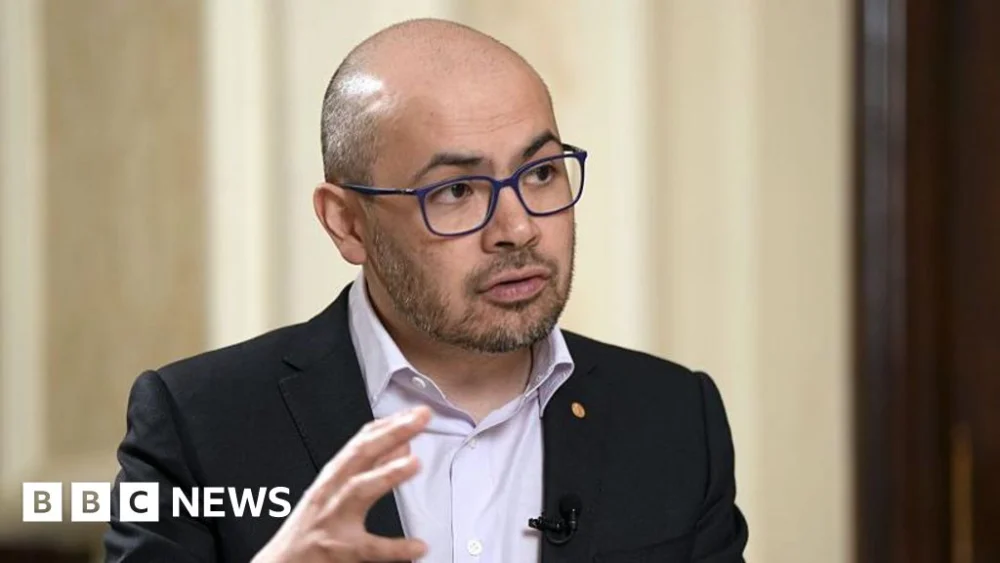
The urgent need for extensive research into the multifaceted threats posed by artificial intelligence (AI) has been emphasized by Sir Demis Hassabis, the chief executive of Google DeepMind, in a recent exclusive interview with BBC News. Speaking from the AI Impact Summit held in Delhi, Sir Demis articulated a clear call for "smart regulation" to address what he described as "the real risks" inherent in the rapidly advancing technology. This sentiment echoes a broader call from many tech leaders and policymakers present at the summit for enhanced global governance of AI, with expectations of a joint statement to formalize these calls as the event nears its conclusion.
However, this push for comprehensive international oversight has encountered resistance, notably from the United States. White House technology adviser Michael Kratsios stated unequivocally, "AI adoption cannot lead to a brighter future if it is subject to bureaucracies and centralised control." This stance highlights a fundamental divergence in approaches, with some nations advocating for proactive global frameworks while others prioritize unfettered innovation.
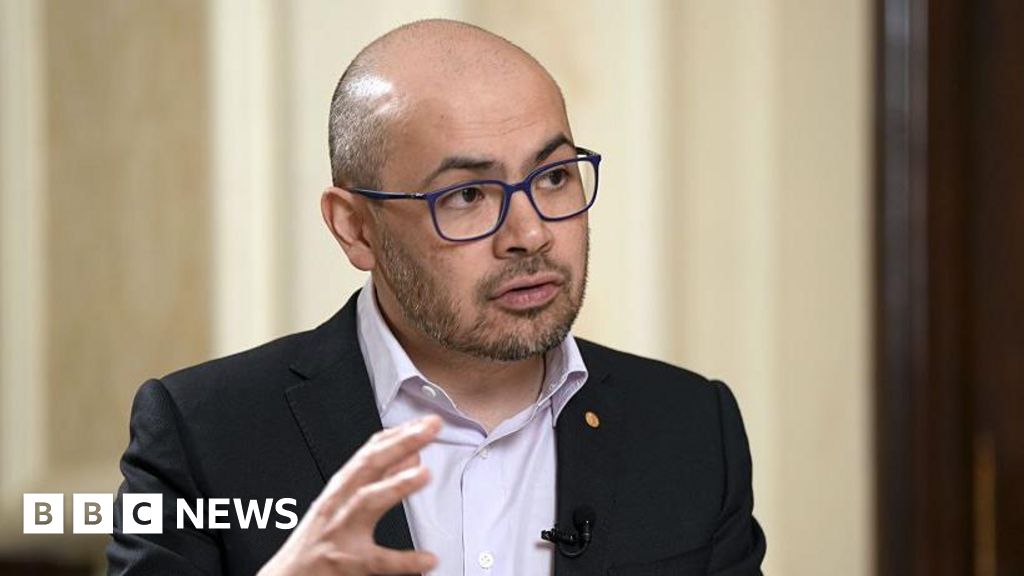
Sir Demis underscored the critical importance of establishing "robust guardrails" to mitigate the most significant dangers stemming from the proliferation of autonomous systems. He identified two primary areas of concern: the potential for AI to be weaponized or exploited by "bad actors," and the more profound existential risk of losing control over increasingly powerful AI systems as they evolve. When questioned about his personal capacity to unilaterally decelerate AI development to allow experts more time to address these challenges, Sir Demis acknowledged Google DeepMind’s significant role but stressed that the company is "only one player in the ecosystem." Nevertheless, he conceded that the relentless pace of AI advancement presents a formidable hurdle for regulators attempting to keep pace.
The call for immediate regulatory action was also echoed by Sam Altman, the CEO of OpenAI, who delivered a speech at the AI Summit advocating for "urgent regulation." Meanwhile, Indian Prime Minister Narendra Modi emphasized the necessity of international cooperation to harness the benefits of AI. Conversely, the US delegation, led by Michael Kratsios, reiterated the Trump administration’s firm rejection of centralized AI governance, stating, "We totally reject global governance of AI."
The AI Impact Summit, a significant gathering of global leaders and technology executives, brought together delegates from over 100 countries. The UK government was represented by Deputy Prime Minister David Lammy MP, who asserted that the responsibility for AI safety is not solely vested in tech firms. He stressed the imperative for politicians to collaborate "hand in hand" with the technology sector, asserting that "security and safety must come first and it must be of benefit for the wider public."
In the ongoing race for AI supremacy, particularly with China, Sir Demis believes that the US and Western nations currently hold a slight advantage. However, he cautioned that this lead could diminish significantly, potentially within "a matter of months." He expressed a profound sense of responsibility to strike a delicate balance between "being bold and responsible" in the deployment of AI systems worldwide. He candidly admitted that while Google DeepMind does not always achieve perfection, they strive to "get it more correct than most."
Beyond the immediate concerns of AI safety and governance, Sir Demis also touched upon the future of education in an AI-dominated world. He projected that within the next decade, AI technology will become a "superpower" enabling unprecedented levels of human creativity and innovation. Reflecting on his own academic journey, Sir Demis, a recipient of the 2024 Nobel Prize in Chemistry, emphasized the continued importance of a strong STEM (science, technology, engineering, and mathematics) education. He posited that a technical background will remain a significant advantage in effectively utilizing and developing AI systems. He further speculated that as AI takes on the task of writing code, the focus for human developers will shift towards "taste and creativity and judgement," enabling a broader segment of the population to create new applications.
The AI Impact Summit represents the largest global assembly to date of heads of state and prominent figures from the technology industry. The summit is scheduled to conclude on Friday, with expectations that participating companies and nations will articulate a unified vision for the responsible stewardship of artificial intelligence. This convergence of global thought leaders underscores the profound and far-reaching implications of AI, necessitating a coordinated and proactive approach to its development and deployment. The discussions surrounding regulation, ethical considerations, and the future of human-AI interaction are critical in shaping a future where AI serves humanity’s best interests. The summit’s outcome will likely set the stage for ongoing international dialogue and policy development in this rapidly evolving field.

Sir Demis Hassabis’s perspective from the forefront of AI research and development highlights the dual nature of this transformative technology. While the potential benefits are immense, ranging from scientific breakthroughs to enhanced productivity, the inherent risks demand immediate and sustained attention. The need for continued investment in AI safety research, the development of robust ethical frameworks, and effective regulatory mechanisms is paramount. The summit in Delhi serves as a crucial platform for forging consensus and fostering collaboration among diverse stakeholders to navigate the complex landscape of artificial intelligence.
The geopolitical implications of AI development, particularly the competition between nations, add another layer of complexity to the global governance debate. Sir Demis’s assessment of the current AI landscape underscores the dynamic nature of this technological race and the importance of fostering an environment where innovation is balanced with responsibility. The commitment of governments and industry leaders to engage in these critical conversations is a positive step towards ensuring that AI’s trajectory aligns with global well-being. The future of AI hinges on the collective ability to anticipate challenges, foster collaboration, and implement thoughtful strategies that maximize its potential while minimizing its perils. The insights shared by Sir Demis Hassabis at the AI Impact Summit provide a vital perspective on the urgent need for research and action in this defining technological era.




 George Anjay
 Nakalama John
 Ramos Leo
 Roy Suryo
 Nana Banana