
 atisusanti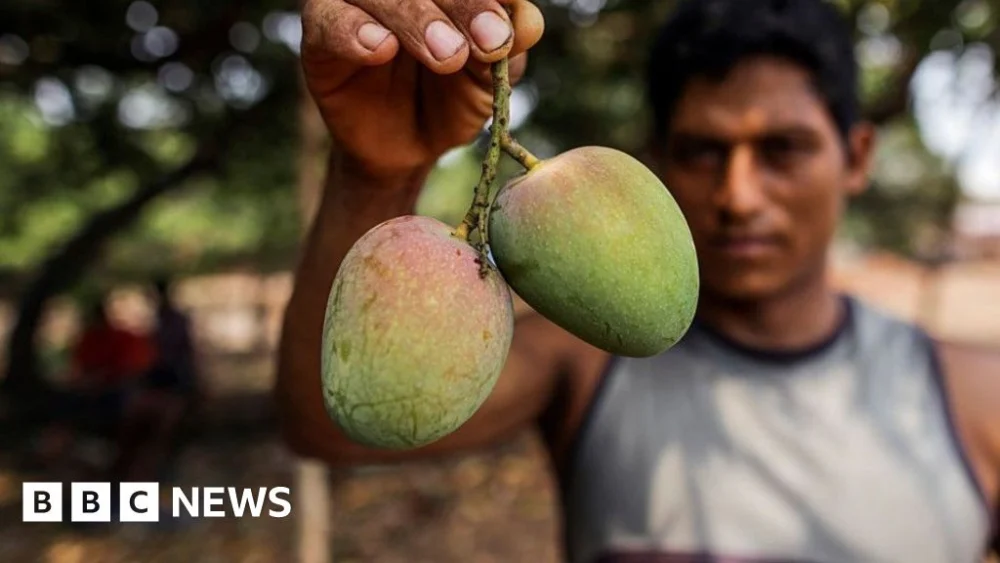
Even in good years, mangoes are considered one of the most difficult fruit crops to cultivate, demanding a delicate balance of climate, tree physiology, and farming techniques. This equilibrium is paramount for India, the undisputed global leader in mango production, where an annual harvest of 23 million tonnes accounts for nearly a fifth of the nation’s total fruit output. However, in recent years, many Indian mango farmers have found cultivation increasingly challenging.
"Mango farming has become unpredictable," states Upendra Singh, a fourth-generation farmer managing 16 acres of land in Malihabad, Uttar Pradesh. Having begun his career on the family farm at the age of 12, the now 62-year-old Singh observes, "Seasons no longer follow a pattern. Flowering, fruiting, and harvesting all shift every year because of climate change." This volatility, coupled with escalating input costs for pesticides, labour, and irrigation, has led to reduced yields. "Farmers are spending more money but earning less from mango orchards," he laments.
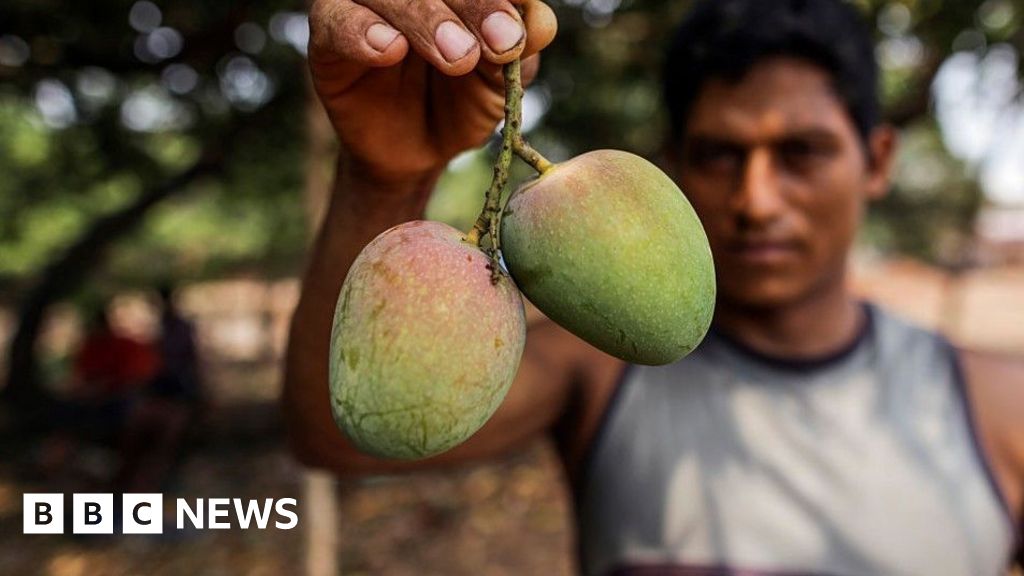
India boasts an astonishing diversity of mango cultivation, with nearly 700 varieties grown across the country, each region favouring its own dominant strains. The Dasheri is prevalent in northern India, the Alphonso reigns supreme in Maharashtra, and the Langra and Malda varieties are frequently seen in Bihar and West Bengal. Despite this regional specialization, few farmers remain untouched by the pervasive effects of climate change.
Dr. Hari Shankar Singh, a scientist at the Central Institute for Subtropical Horticulture (ICAR), confirms the growing pressure on mango farming due to erratic weather patterns. "Mango is highly temperature-dependent," he explains. "Last year, flowering happened early, strong winds affected fruit development, maturity came too fast, and much of the crop went to waste. This year, prolonged low temperatures in north India delayed flowering altogether."
To bolster farmer resilience, researchers are actively developing new mango varieties capable of tolerating wider temperature fluctuations and resisting pests and diseases. However, this is a protracted scientific endeavor. Mango trees require five to ten years to flower after breeding, and their inherent biological characteristic of being heterozygous means offspring rarely resemble their parents. "Mango breeding is a multi-decade scientific commitment, not a quick innovation," emphasizes Hari Singh.
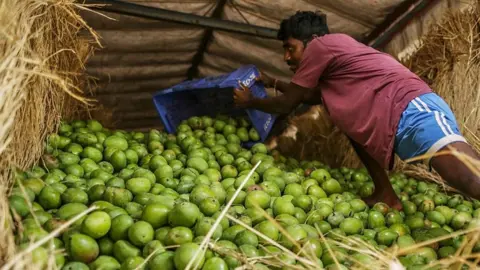
Genetic science is now accelerating this process. In 2016, a team of scientists led by ICAR announced the sequencing of the mango genome, focusing on the Alphonso variety. "Mango genome sequencing allows researchers to identify genes linked to fruit colour, aroma, sweetness, flowering behaviour, climate resilience, and disease tolerance," explains Hari Singh. This breakthrough has "significantly" reduced the traditional 10 to 20 years required for mango breeding.
Farmers are increasingly receptive to embracing these innovations. Upendra Singh, for instance, has adopted modern cultivation techniques on his farm, planting a higher density of the newer, coloured mango varieties. "The biggest advantage of coloured varieties is they give fruit every year. Traditional varieties like Dasheri and Langda often have off years," he notes. He also employs scientific pruning, canopy management, and growth regulators to control tree size, induce flowering, and manage harvests more uniformly.
ICAR actively promotes several techniques to enhance crop quality. "Bagging," a simple yet effective innovation, involves enclosing each developing fruit in a breathable protective cover. Dr. T. Damodaran, Director of ICAR, elaborates, "This method creates a controlled micro-environment around the fruit, reducing exposure to insect infestation, fungal pathogens, mechanical damage, and excessive solar radiation." Another recommended technique is "girdling," which involves making a narrow, controlled ring cut on selected branches. This induces stress on the tree, redirecting its energy towards flowering and fruit development. Even older orchards can be rejuvenated by pruning trees to a height of 14 to 18 feet, leading to dramatically improved flowering, larger fruit size, and a higher proportion of A-grade produce.
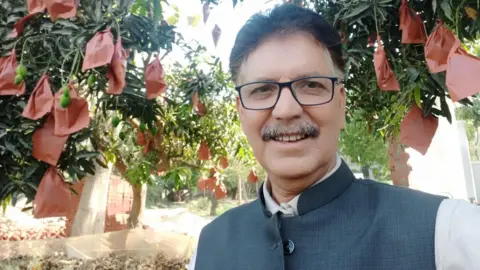
Neeti Goel’s journey into mango farming began as a hobby ten years ago with a few curious plantings. Today, she cultivates over 1,100 trees across 27 acres in Alibaug, Maharashtra. "Instead of traditional trial-and-error farming, we use scientific mango cultivation," she asserts. "We start every season with soil and leaf analysis. Without that, fertiliser application is guesswork, not farming. Micronutrients like boron and zinc play a decisive role in fruit, so ignoring them directly impacts yield." Her next ambitious step involves constructing greenhouses to control temperature, recognizing that "if one does not adopt innovative methods we are doomed."
Saravanan Achari, founder of Berrydale Foods, which exports Indian mangoes to 13 countries, shares this conviction about protected cultivation. Pests represent a primary concern for his export business, as "Export markets demand zero tolerance on pests. Even if inspectors find a single fruit fly, the entire consignment is discarded, leading to huge losses." Climate change exacerbates pest management challenges, with unpredictable rainfall patterns causing fruit flies to emerge at varied times of the year. "Climate change has become the single biggest risk factor for mango exports today," Achari states.
Consequently, Achari is experimenting with greenhouses at Berrydale’s farm. He points to countries like Japan and Israel, which already employ greenhouse and protected cultivation due to similar climate challenges. "Indian farmers will also have to move in this direction if we want consistent quality and reliable exports." The adoption of modern agricultural practices, from advanced breeding techniques and precise nutrient management to protected cultivation, is no longer a choice but a necessity for the future of India’s vital mango industry.



 Ramos Leo
 Nana Banana
 Nakalama John
 Roy Suryo
 George Anjay