
 George Anjay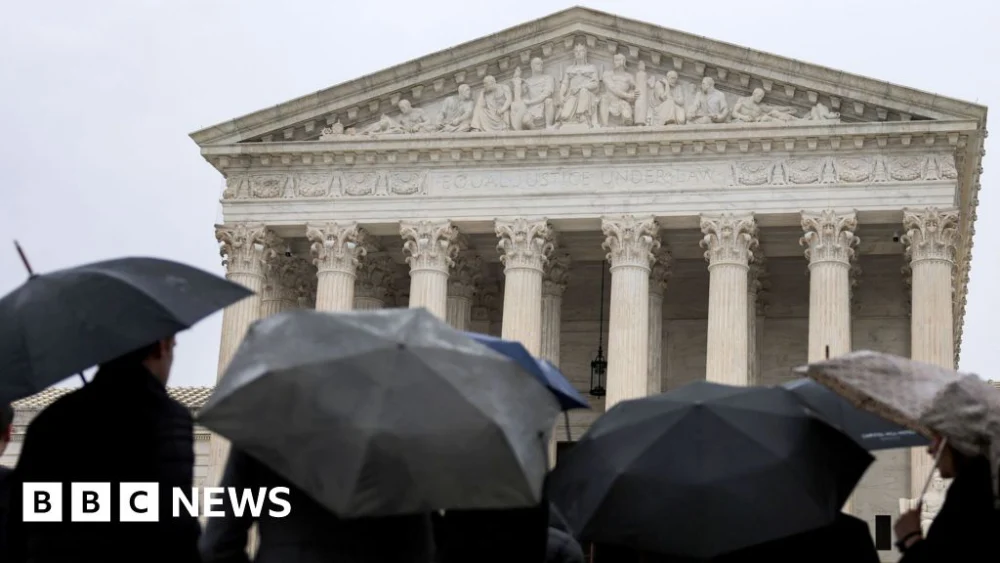
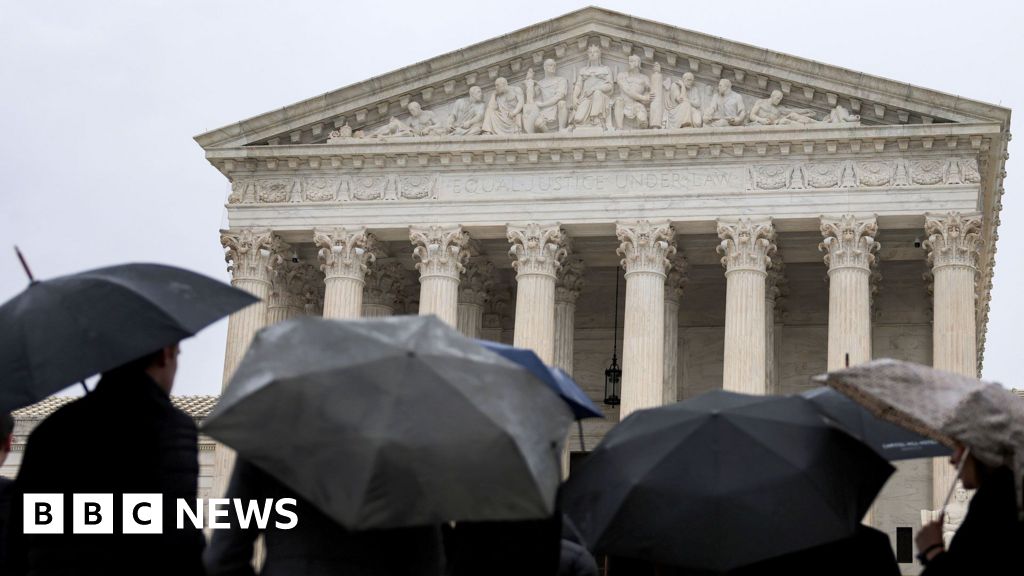
Donald Trump had been issuing dire warnings for months, painting a picture of economic and national security catastrophe should the Supreme Court curb his authority to impose tariffs. His pronouncements, often delivered with characteristic hyperbole, suggested that any judicial curtailment of his trade powers would dismantle the very foundations of American prosperity and defense. However, in a decision that significantly constrains his executive reach, a six-justice majority of the Supreme Court on Friday largely dismissed these concerns, ruling that Congress, not the president, possesses the ultimate power to levy tariffs. The justices determined that the Emergency Economic Powers Act of 1977, the legal bedrock upon which Trump had based his sweeping tariff impositions, did not delegate such expansive authority to the executive branch.
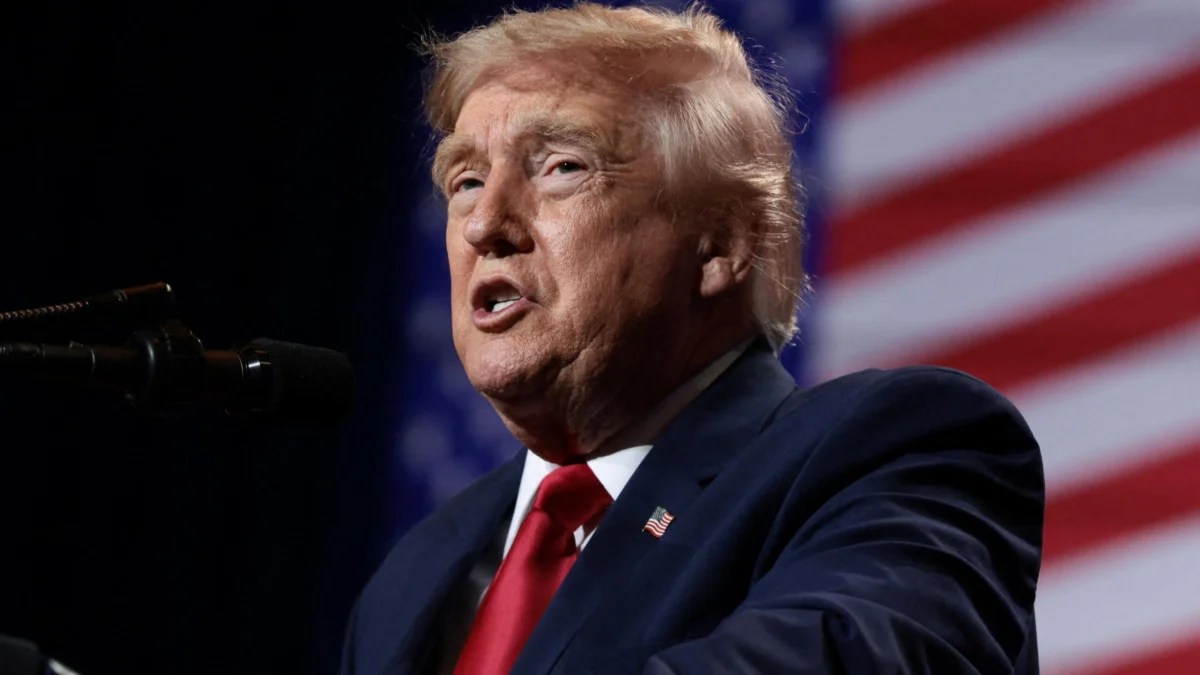
In a hastily convened press conference following the ruling, a visibly incensed Trump lashed out at the court, expressing "shame" for the three conservative justices who sided against him and labeling the three liberal justices a "disgrace." Undeterred, he immediately pledged to circumvent the court’s decision by reimposing tariffs through presidential authority derived from other, as yet unspecified, legal avenues. He also announced plans to sign an executive order for a new, temporary 10% global tariff, signaling his intent to continue his aggressive trade policy despite the judicial setback.
This landmark decision represents a rare and significant check on the Trump administration’s broad and often expansive use of executive authority. Over the past year, a majority of the Supreme Court justices had demonstrated a notable willingness to allow President Trump to advance his agenda, particularly in areas such as immigration and the restructuring of federal agencies, even as numerous legal challenges worked their way through the judicial system. The expedited nature of this particular case, fast-tracked as an emergency matter, effectively slams the door on one of the most far-reaching assertions of presidential power witnessed in recent times.
The implications of this ruling extend beyond the immediate tariff dispute. With several other high-stakes cases involving controversial uses of executive power still pending – including efforts to terminate birthright citizenship and dismiss a Federal Reserve governor based on alleged improprieties – this decision may herald a series of significant setbacks for the president in the coming months. At the very least, Friday’s ruling undeniably weakens Trump’s leverage in international negotiations, diminishing his capacity to compel concessions from other nations through the threat of punitive tariffs. It also tarnishes the carefully cultivated veneer of his invincibility, potentially emboldening America’s trading partners to adopt a more assertive stance in future dealings.
The economic ramifications could be substantial. The ruling opens the distinct possibility that the Trump administration may be compelled to refund a significant portion of the tariff revenue collected over the past year. While the Supreme Court has deferred the complex question of reimbursement to a lower court, Justice Brett Kavanaugh, in his dissenting opinion, cautioned that the process is likely to be a "mess," underscoring the legal and logistical challenges ahead.
The Trump administration had ample time to anticipate this adverse outcome. Supreme Court precedent, coupled with the tenor of arguments presented in court last November, strongly suggested that an unfavorable ruling for the president was a distinct possibility. Jamieson Greer, Trump’s top trade adviser, had publicly acknowledged last month that the White House possessed "a lot of different options" to navigate a scenario where the tariffs were struck down, confidently asserting, "The reality is the president is going to have tariffs as part of his trade policy going forward."
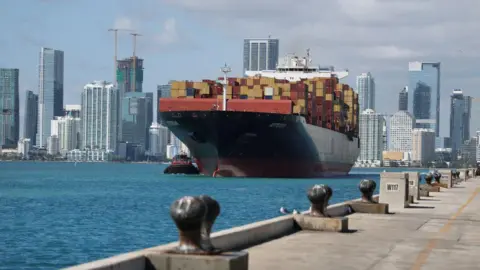
However, the alternative pathways now available to Trump are considerably more constrained. These options typically necessitate extensive government agency reports to justify tariff imposition and are subject to inherent limitations in their scope and duration. The era of the president unilaterally threatening or enacting substantial tariffs with the swiftness of a pen stroke or a digital pronouncement appears to be drawing to a close. Future tariff implementations will require a more deliberate and extended lead-in period, thereby limiting the element of immediate economic shock that characterized previous actions, such as the sweeping "Liberation Day" tariffs announced last year. This extended timeline would also provide other nations with more ample opportunity to formulate their responses.
To regain unfettered authority in imposing new tariffs, Trump would need to seek explicit authorization from Congress, a step the Supreme Court has now firmly indicated is necessary. However, with narrow Republican majorities in both the House and the Senate, and the looming specter of midterm elections, the likelihood of successfully navigating such a legislative process appears remote. In fact, some of Trump’s conservative allies in Congress may find themselves breathing a collective sigh of relief following this decision. The president’s tariffs, and the associated costs borne by American consumers, have proven deeply unpopular among segments of the electorate. Republican candidates in battleground states and competitive congressional districts would have been particularly vulnerable to Democratic attacks for aligning themselves with Trump’s protectionist policies. This particular area of vulnerability has, for the moment, been significantly reduced.
The ruling sets the stage for an undoubtedly awkward encounter on Tuesday when President Trump delivers his annual State of the Union Address to a joint session of Congress. Traditionally, many of the Supreme Court justices occupy prominent seats in the front row of the chamber. The president, having spent months issuing dire warnings against the court, may find himself standing eye-to-eye with the very justices who have effectively dismantled one of the key pillars of his envisioned second-term agenda, forcing a public confrontation with the judicial branch that has now asserted its significant oversight role. The image of the president facing the justices who have curbed his executive power in such a prominent public forum will undoubtedly be a potent symbol of the evolving balance of power within the U.S. government. The ramifications of this tariff ruling, therefore, extend far beyond the immediate economic implications, touching upon the fundamental principles of executive power and congressional authority.



 Roy Suryo

 Nakalama John
 atisusanti
 Ramos Leo
