
 George Anjay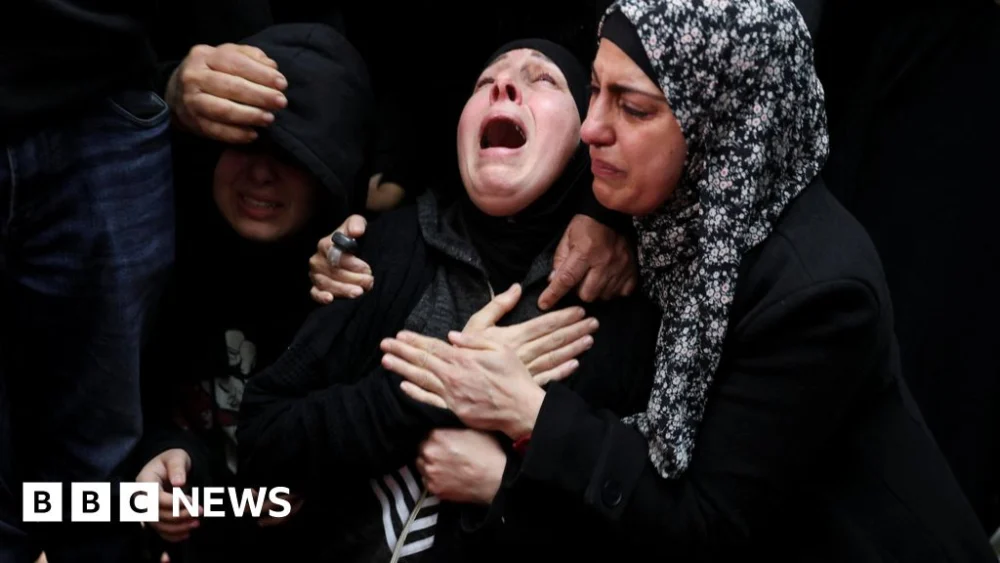
The family of a 19-year-old Palestinian-American man, Nasrallah Abu Siyam, who they assert was fatally shot by an Israeli settler in the occupied West Bank, has amplified their calls for justice and accountability. This tragic incident marks at least the sixth American citizen to be killed by Israeli settlers or soldiers in the volatile territory within the past two years, underscoring a deeply concerning pattern of escalating violence. The US State Department, while stating its readiness to provide consular assistance, has remained largely unresponsive to criticisms that its policies have proven ineffective in curbing the surge of settler-related violence.
The Israeli embassy in Washington has acknowledged the gravity of the situation, confirming that the incident is undergoing a thorough review and that an "operational inquiry… must be completed as soon as possible." Nasrallah Abu Siyam, a US citizen born in Philadelphia, was reportedly engaged in an attempt to deter armed settlers from stealing livestock from the village of Mukhmas. According to eyewitness accounts, approximately 30 residents of Mukhmas, including Abu Siyam, confronted the settlers who were allegedly attempting to abscond with their goats. The confrontation reportedly escalated, with both villagers and settlers resorting to throwing stones. During this chaotic exchange, settlers allegedly opened fire, striking at least three of the villagers, including Abu Siyam, who sustained a fatal wound.
Abdulhamid Siyam, a cousin of the deceased, articulated the profound sense of loss and outrage felt by the family and community. He described Nasrallah’s death as a "big loss" and lamented that the actions of settlers in the West Bank appear to be operating with a pervasive sense of impunity. "A young man of 19 shot and killed in this cold blood and no responsibility, impunity completely," he stated, highlighting the perceived lack of consequences for perpetrators of such violence.
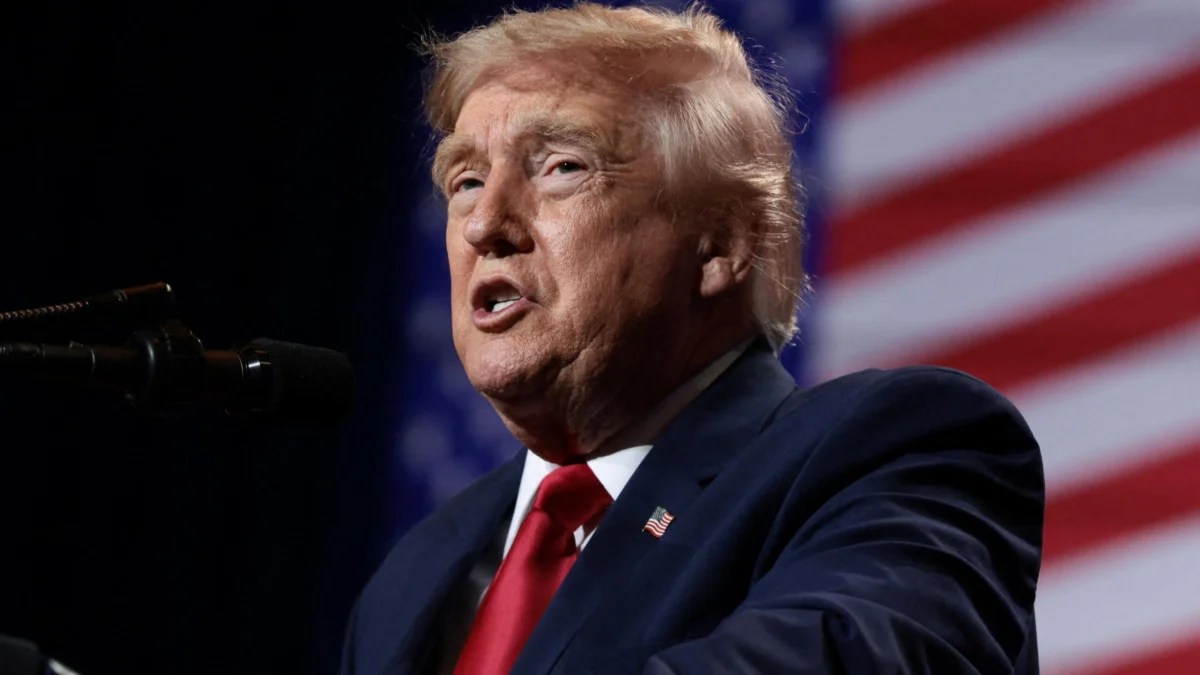
The Trump administration’s approach to settler violence has drawn significant criticism from human rights organizations. These groups point to the administration’s decision to lift sanctions previously imposed by the Biden administration on individuals engaged in violent settler activities. This move, they argue, has emboldened settlers and contributed to a climate where criminal prosecution for violent acts is rarely pursued by Israeli authorities. The US State Department, in its official capacity, acknowledged awareness of the death of a US citizen and affirmed that it was "carefully monitoring the situation." However, this statement has been met with skepticism by those who believe a more robust and assertive diplomatic stance is required.
A spokesperson for the Israeli Defense Forces (IDF) provided a statement indicating that soldiers had responded to the scene and employed "riot dispersal means to restore order." Crucially, the IDF spokesperson stated, "No IDF fire was reported during the course of the incident." This assertion, while noted, does not preclude the possibility of settler involvement or the use of excessive force by settlers. The spokesperson also confirmed that the incident was under review and that a "continuous military presence" would be maintained in the area to prevent any recurrence of violence in the immediate future.
The occupied West Bank has long been a flashpoint for conflict, with Israeli settlers and Palestinian residents frequently clashing. The presence of Israeli settlements in the West Bank is considered illegal under international law, yet their expansion has continued under successive Israeli governments. These settlements are often protected by Israeli military forces, creating a complex and often dangerous environment for Palestinians. The issue of settler violence has become increasingly prominent in recent years, with numerous reports detailing attacks on Palestinian civilians, property, and agricultural lands. These attacks range from stone-throwing and vandalism to more severe acts of violence, including arson and shootings.
The international community, including the United States, has a vested interest in promoting stability and upholding human rights in the region. However, the effectiveness of diplomatic efforts and policy interventions has been a subject of ongoing debate. Critics argue that a failure to hold perpetrators accountable, coupled with policies that are perceived as condoning or enabling settler expansion and violence, perpetuates a cycle of conflict. The death of Nasrallah Abu Siyam serves as a stark reminder of the human cost of this protracted conflict and the urgent need for meaningful action to ensure justice and prevent future tragedies.
The family’s plea for accountability extends beyond the immediate incident, aiming to highlight the broader systemic issues that contribute to the ongoing violence in the West Bank. They, along with many international observers, are seeking a clear commitment from both Israeli and US authorities to investigate such incidents thoroughly, prosecute those responsible, and implement measures that deter future acts of violence. The narrative surrounding the incident, particularly the differing accounts from the family and the IDF, underscores the challenges in achieving a clear and impartial understanding of events in a highly politicized and conflict-ridden environment.
The role of the US government in this context is particularly scrutinized, given its significant financial and political support for Israel. Human rights advocates contend that the US has a moral and political imperative to use its influence to ensure that international law and human rights are respected. The continued loss of American lives in the West Bank, especially in circumstances involving alleged settler violence, raises profound questions about the efficacy of existing diplomatic strategies and the need for a reevaluation of US policy towards the Israeli-Palestinian conflict.
The funeral of Nasrallah Abu Siyam, attended by his grieving family and community, has become a somber focal point for demands for justice. Images of his mother in deep mourning have resonated widely, amplifying the human dimension of the conflict and the profound personal impact of such violence. The family’s unwavering commitment to seeking accountability underscores the resilience of those affected by the ongoing conflict and their determination to ensure that no other family has to endure such a devastating loss without recourse. The international community now watches to see if these calls for accountability will translate into tangible actions that can foster a more just and peaceful future for all in the region.



 Roy Suryo

 Nakalama John
 atisusanti
 Ramos Leo
