George Anjay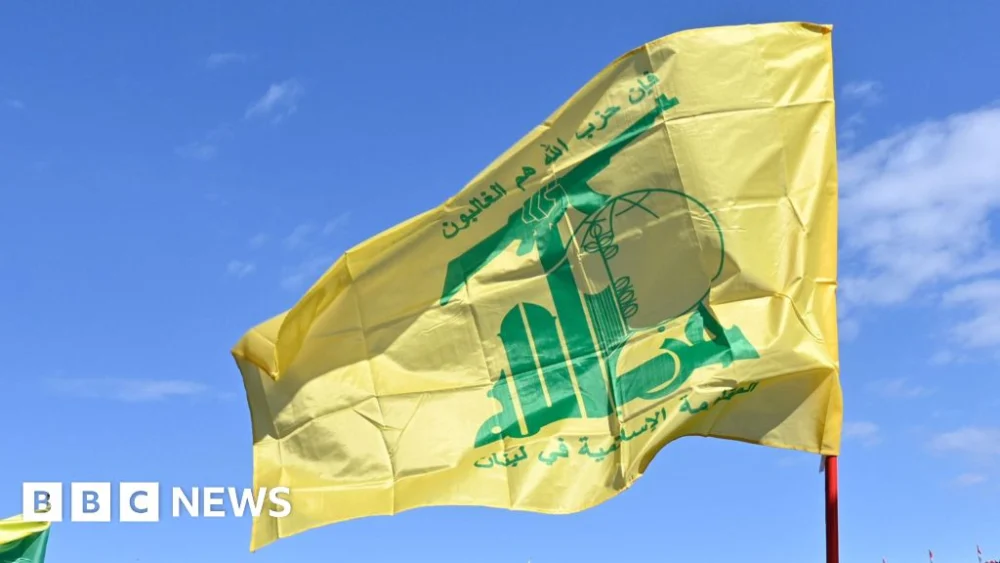
Israeli air strikes, among the deadliest in Lebanon since the November 2024 ceasefire, have claimed the lives of at least 10 people in the eastern Bekaa Valley, according to Lebanese officials. The Israeli military stated it targeted sites belonging to Hezbollah, the powerful Shia Muslim militia and political party, in a region where the group maintains a significant presence. Hezbollah has confirmed that at least six of its members were killed in the strikes, including a senior field commander, underscoring the gravity of the escalation.
Images circulating online from the strike locations on Friday night depict scenes of significant destruction, suggesting that residential areas may have been impacted. The Israeli military released a statement asserting that it had struck "Hezbollah command centres," and accused the group of "systematically embed[ding] its assets within the civilian population." Jerusalem further contended that Hezbollah’s activities constituted a "violation of the understandings between Israel and Lebanon," a claim met with strong refutation from Beirut.
Hezbollah, designated a terrorist organization by numerous countries including the United Kingdom and the United States, has maintained that the ceasefire agreement specifically applies only to southern Lebanon, encompassing the territory between the Litani River and the Blue Line, the de facto border separating Lebanon and Israel. Despite this assertion, the group has consistently rejected calls from Lebanese authorities to engage in discussions regarding the future of its weaponry in other parts of the country, including the Bekaa Valley, where a substantial portion of its arsenal is believed to be stored.
This week’s developments follow Hezbollah’s dismissal of a government decision to proceed with the second phase of a disarmament plan. This plan aims to address the presence of weapons in areas north of the Litani River and extending to the Awali River, encompassing the strategically important port city of Sidon. Lebanon’s government has vociferously condemned Israel’s ongoing actions, labeling them a direct contravention of the ceasefire accord. Beirut has appealed to the international community to exert pressure on Israel to halt its offensive operations. Lebanese Prime Minister Nawaf Salam recently articulated his grave concern, describing the escalating situation as a "one-sided war of attrition."
Adding to the escalating tensions, just hours before the strikes in the east, an Israeli missile struck the densely populated Palestinian refugee camp of Ain al-Helweh, situated on the outskirts of Sidon in the country’s south. The Israeli military claimed this strike targeted a "command centre" utilized by Hamas, a declaration that Hamas has disputed, stating that two of its members were killed in the attack.
These coordinated strikes are occurring against a backdrop of heightened regional instability. The United States has issued stark warnings of potential military action against Iran should diplomatic negotiations between the two nations fail to yield a comprehensive agreement. Within Lebanon, there are palpable concerns that Iran might compel Hezbollah to participate in any retaliatory actions against the United States or its allies, particularly if Israel becomes directly involved in a wider regional conflict. This precarious geopolitical climate amplifies the potential for a wider conflagration, with Lebanon and its armed factions caught in the crossfire.
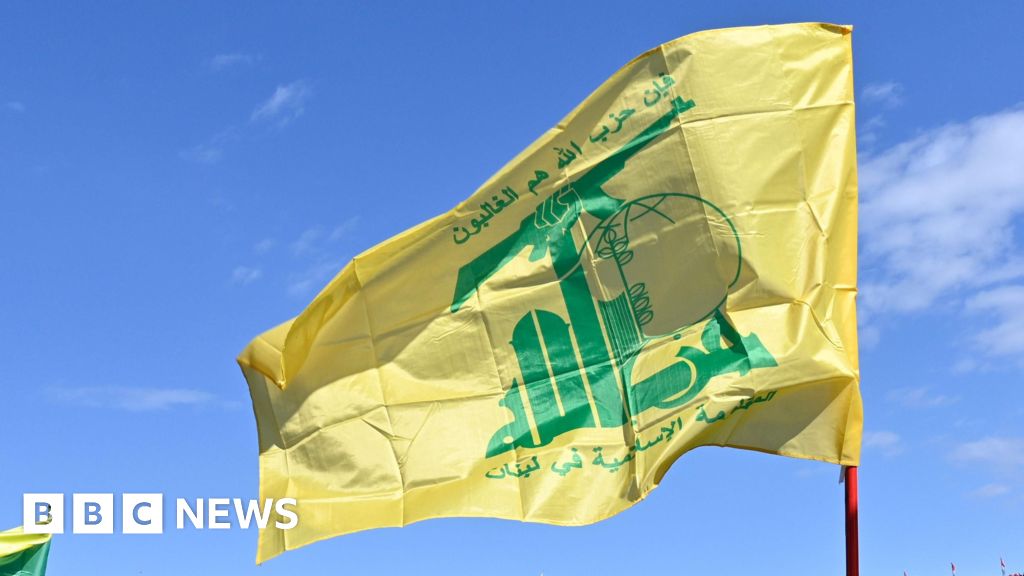
The Bekaa Valley, a fertile agricultural region in eastern Lebanon, has historically been a stronghold for various Palestinian factions and more recently, Hezbollah. Its proximity to the Syrian border has also made it a crucial transit point for weapons and supplies, further cementing its strategic importance for armed groups. The strikes on Friday night, therefore, represent a significant escalation into an area previously considered less directly targeted by Israeli operations, despite ongoing skirmishes along the southern border.
Hezbollah, since its inception, has been a formidable force in Lebanese politics and military affairs. Its resistance against Israeli occupation in southern Lebanon is a central tenet of its ideology, and it has amassed a formidable arsenal, reportedly numbering in the tens of thousands of rockets and missiles. The group’s military wing is highly organized, with distinct command structures and operational units, making the targeting of its "command centres" a key objective for Israel. However, the accusation of embedding military assets within civilian populations remains a contentious point, with critics arguing it constitutes a violation of international humanitarian law and a deliberate tactic to exploit civilian shields.
The ceasefire agreement, brokered after the devastating 2006 war between Israel and Hezbollah, was intended to de-escalate tensions and prevent further bloodshed. It mandated the withdrawal of Israeli forces from southern Lebanon and called for the disarmament of Hezbollah, though the latter provision has been largely unimplemented. The current Israeli strikes suggest a significant departure from the spirit and potentially the letter of this agreement, raising questions about its efficacy and the willingness of both sides to adhere to its terms.
The impact of these strikes on the civilian population of Lebanon is profound. The destruction of homes and infrastructure, coupled with the loss of life, exacerbates an already dire humanitarian situation in a country grappling with severe economic crises and political instability. The targeting of refugee camps, such as Ain al-Helweh, further underscores the vulnerability of marginalized communities caught in the protracted conflict.
The involvement of Hamas in the southern strike adds another layer of complexity to the regional dynamics. Hamas, a Palestinian militant group that governs the Gaza Strip, has been a vocal opponent of Israel and a recipient of support from Iran. Its alleged use of a "command centre" in Ain al-Helweh suggests a potential expansion of its operational reach beyond Gaza and a deepening of its strategic alignment with other Iran-backed groups in the region.
The broader geopolitical context, particularly the strained relations between the United States and Iran, looms large over these events. Any direct military confrontation between these two powers could have devastating consequences for Lebanon, potentially drawing it into a wider regional war. The fear is that Iran might leverage its proxies, including Hezbollah, to retaliate against perceived Israeli or American aggression, thereby escalating the conflict far beyond its current localized scope.
The international community faces a critical challenge in managing this escalating crisis. Diplomatic efforts are urgently needed to de-escalate tensions, uphold the existing ceasefire, and prevent a broader regional conflagration. The United Nations, in particular, has a crucial role to play in facilitating dialogue, monitoring ceasefire violations, and providing humanitarian assistance to affected populations. However, the effectiveness of these efforts will depend on the willingness of the involved parties to engage in good-faith negotiations and prioritize de-escalation over further military action. The fate of Lebanon, and indeed the wider Middle East, hangs precariously in the balance. The recurring cycle of violence and retaliation, fueled by complex political grievances and regional rivalries, threatens to plunge the region into further instability and suffering.



 Roy Suryo

 Nakalama John
 atisusanti
 Ramos Leo