
 George Anjay
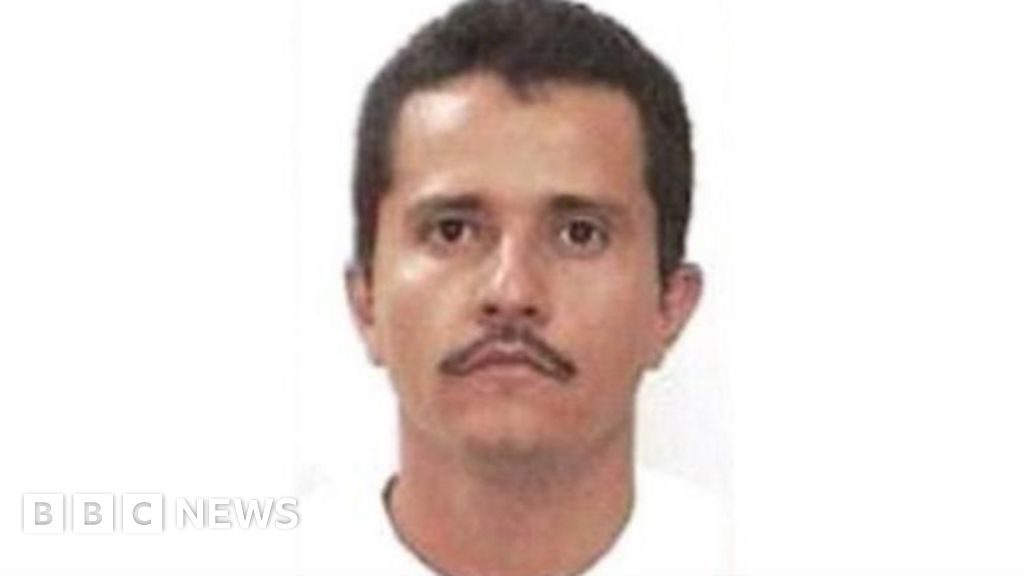
In a dramatic development that could reshape Mexico’s protracted war on organized crime, Nemesio Oseguera Cervantes, the notorious leader of the powerful Jalisco New Generation (CJNG) drug cartel and arguably the country’s most wanted man, has reportedly been killed during a high-stakes security operation. The Mexican defense ministry announced that El Mencho died while being transported to the capital, Mexico City, after sustaining severe injuries during intense clashes between his heavily armed loyalists and the Mexican army. The operation, which unfolded in the town of Tapalpa, located in the central-western state of Jalisco, resulted in the deaths of four CJNG members and left two others seriously wounded. Tragically, three members of the military also sustained injuries during the fierce confrontation.
The demise of El Mencho, if definitively confirmed, marks a significant blow to the CJNG, a cartel that has rapidly expanded its dominion from its initial stronghold in Jalisco to establish a pervasive presence across virtually the entire nation. The cartel has become synonymous with extreme violence and has been implicated in a vast array of illicit activities, including the large-scale trafficking of cocaine, methamphetamine, and the highly addictive synthetic opioid fentanyl into the United States. The U.S. Department of State had placed a substantial bounty of $15 million (£11.1 million) on El Mencho’s head, underscoring the international priority placed on his apprehension.
The Mexican defense ministry acknowledged the crucial role played by the United States in providing intelligence that significantly aided the operation leading to El Mencho’s reported death. During the raid, Mexican forces also seized a considerable arsenal of weaponry, including multiple armored vehicles and devastating rocket launchers, further disrupting the cartel’s operational capabilities.
The reaction from El Mencho’s formidable cartel has been swift and violently retaliatory, as is their well-documented modus operandi. In an apparent coordinated response, the CJNG has unleashed a wave of terror across at least eight different Mexican states. This offensive has manifested in the form of strategically placed roadblocks, the arson of vehicles to obstruct transportation routes, and direct attacks on security forces. Eyewitness accounts and viral videos have captured plumes of smoke billowing over major cities, including Guadalajara, one of the prominent host cities for the upcoming FIFA World Cup, highlighting the cartel’s ability to sow chaos and fear on a national scale.
The tourist hotspot of Puerto Vallarta, situated on the Jalisco coast, has found itself in the terrifying grip of this escalating violence, with reports indicating that potentially thousands of tourists are currently trapped within resorts amidst the ongoing clashes. Throughout Sunday, chilling reports of armed gunmen roaming the streets in Jalisco and other affected regions continued to surface, amplifying the sense of pervasive insecurity.
In response to the escalating crisis, the governor of Jalisco, Pablo Lemus Navarro, issued a stark warning via social media, urging residents of the state to adhere to a "code red" alert and to remain indoors, strictly avoiding any unnecessary travel. He further announced the suspension of public transportation services across the state, a measure designed to curtail movement and potentially limit the cartel’s ability to mobilize.
The U.S. State Department also issued a critical shelter-in-place warning for its citizens residing in or visiting Jalisco State, as well as in Tamaulipas State, and specific areas within Michoacan State, Guerrero State, and Nuevo Leon State, indicating the widespread nature of the threat. Christopher Landau, a former U.S. ambassador to Mexico and Deputy Secretary of State, did not mince words in his assessment of El Mencho, describing him on social media as "one of the bloodiest and most ruthless drug kingpins." Landau further lauded El Mencho’s reported death as "a great development for Mexico, the US, Latin America, and the world."
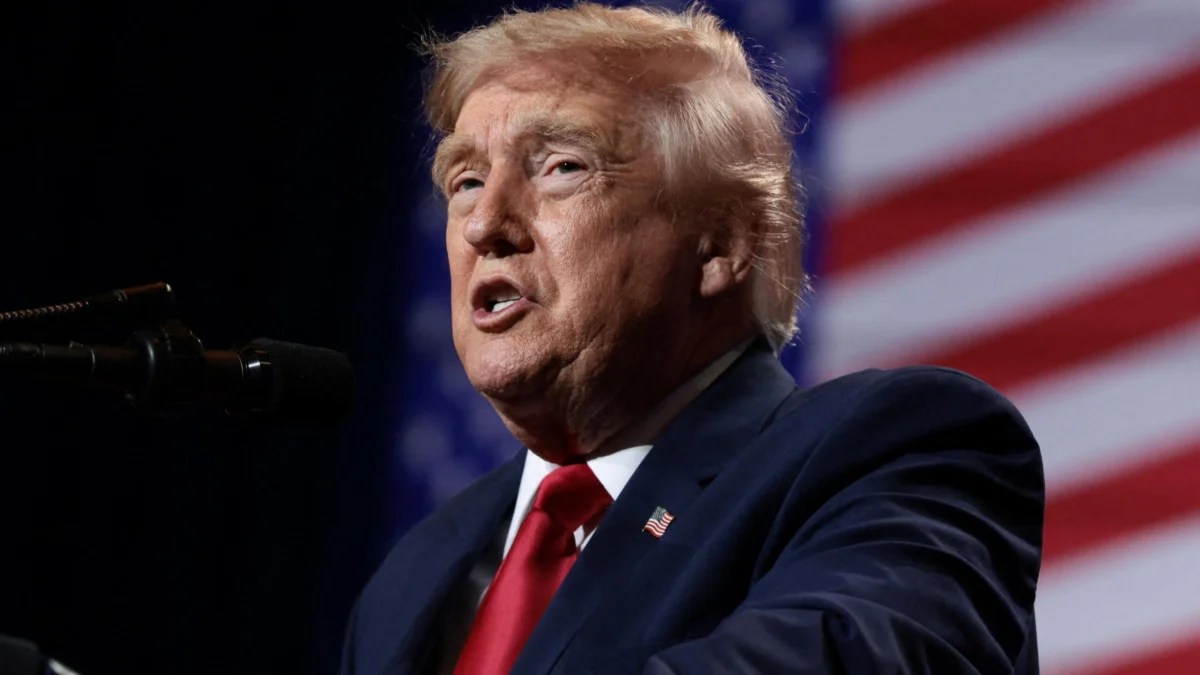
The potential killing of El Mencho represents a significant victory for Mexican President Claudia Sheinbaum Pardo, whose administration has been engaged in a relentless battle against the country’s entrenched drug cartels. This development could also serve to strengthen her administration’s relationship with U.S. President Donald Trump, who has consistently pressured Mexico for greater progress on security matters. However, the ultimate success of this operation hinges on the Mexican security forces’ ability to swiftly regain control and quell the cartel’s violent backlash. If they falter, the perceived victory could be overshadowed by the devastating consequences of the cartel’s retaliatory actions.
The Jalisco cartel has garnered a fearsome reputation since its formation around 2010, marked by a systematic pattern of brutal attacks against security forces and public officials. Their brazenness has been evident in incidents such as downing an army helicopter with a rocket-propelled grenade, orchestrating the assassinations of dozens of state officials, and employing chilling psychological warfare tactics, including hanging the bodies of their victims from bridges to instill terror and intimidate rivals. The cartel’s sophisticated operational structure, vast financial resources, and willingness to employ extreme violence have made them one of the most formidable criminal organizations in the Western Hemisphere. The international community will be closely watching to see how the power vacuum, should El Mencho’s death be confirmed, is filled and whether this event signals a genuine turning point in the enduring struggle against drug trafficking and organized crime in Mexico. The coming days and weeks will undoubtedly be critical in determining the long-term implications of this reported demise.



 Roy Suryo

 Nakalama John
 atisusanti
 Ramos Leo
