
 atisusanti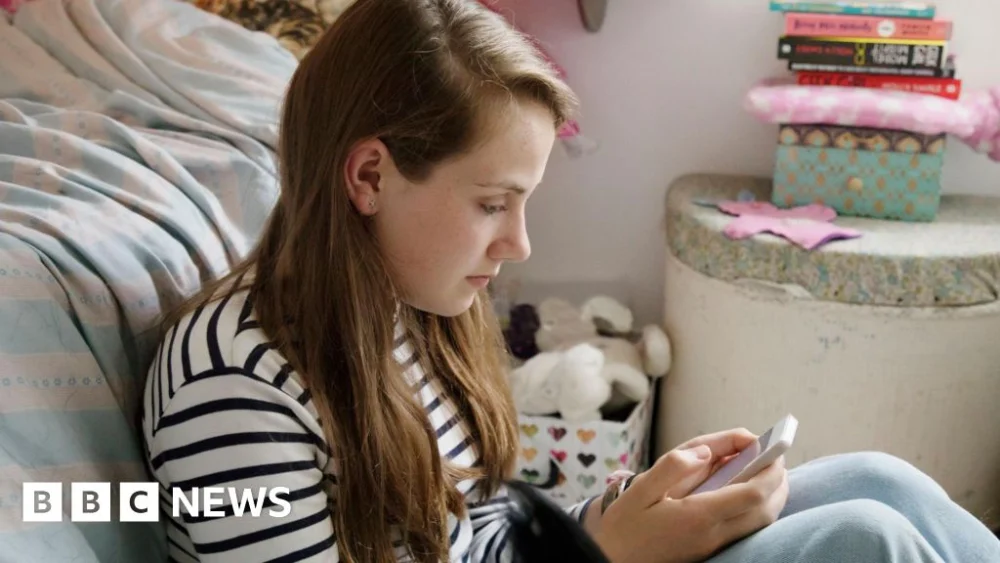
Sir Keir Starmer has declared his commitment to a swift and decisive response to emerging threats in the digital landscape, vowing to close loopholes in existing laws designed to safeguard children online. This proactive stance comes as the government announces its intention to "do battle" with AI chatbots, mirroring the firm action taken against X (formerly Twitter) over its AI assistant, Grok, which was implicated in the creation of non-consensual sexual deepfakes. The Prime Minister’s determination to tackle the evolving challenges posed by artificial intelligence reflects a broader strategy to ensure technological advancements do not outpace regulatory frameworks, particularly when it comes to protecting the most vulnerable members of society.
The government’s ambitious proposals extend beyond just AI chatbots. Among the key measures being considered is a significant amendment to data preservation laws, which would mandate tech giants to retain all data on a child’s phone in the event of their death. This move is directly influenced by the poignant "Jools’ Law" campaign, spearheaded by bereaved parents who have faced immense distress due to the inability to access their children’s digital footprints. The current regulations, which require data requests within a tight 12-month window and only from coroners or police, have often resulted in crucial digital evidence being permanently lost, leaving families without answers or closure. The proposed changes aim to rectify this by requiring data preservation within five days if it is deemed potentially relevant to the cause of death, offering a lifeline to grieving families seeking to understand the circumstances surrounding their child’s passing.
However, these government initiatives have not been met with universal acclaim. Opponents have voiced criticism, accusing the government of a lack of urgency and "inaction." A significant point of contention is the absence of a parliamentary vote on a proposed social media ban for children, a measure that critics argue should be subject to democratic debate and approval. Sir Keir Starmer has unequivocally stated that no online platform will be afforded a "free pass" when it comes to the safety of children online, promising a robust "crackdown on the addictive elements of social media." This pledge signals a clear intention to confront the deeply ingrained design features of many social media platforms that are believed to contribute to excessive use and potential harm among young people.
The core of the government’s enhanced strategy lies in its desire to create new legal powers that will enable "immediate action" following consultations. Technology Secretary Liz Kendall, speaking on the BBC’s Today programme, acknowledged the necessity of thorough consultations but emphasized the imperative for swift government intervention once decisions have been made. She highlighted the protracted timeline of legislative processes, citing the Online Safety Act’s origins in a 2017 green paper, and stressed that such delays are untenable in the face of rapidly evolving technology. Kendall drew a parallel with the annual Finance Bill, suggesting that technology policy requires a similar cadence of regular review and adaptation to keep pace with its relentless progression.
The Online Safety Act, which became law in 2023, was conceived and drafted prior to the widespread release of sophisticated AI chatbots like ChatGPT. The government’s current objective is to close these legislative gaps, ensuring that these powerful new technologies are encompassed within the Act’s protective provisions. Further considerations include preventing children from circumventing age verification measures by employing virtual private networks (VPNs) and amending the law to ensure that chatbots are obligated to shield users from illegal content. These measures reflect a multi-pronged approach to fortifying the digital environment for young users.
In a personal reflection shared on the Substack platform, Sir Keir Starmer articulated his deep concern about the transformation of social media. He observed that over the past two decades, social media has diverged significantly from its initial, more simplistic conception, evolving into a force that is "quietly harming our children." His call to action is clear: to "crack down on the addictive elements of social media," specifically targeting features such as auto-play and the "never-ending scrolling" that he believes ensnare children for hours. He also reiterated his commitment to preventing children from circumventing age restrictions, concluding with a defiant assertion: "And if that means a fight with the big social media companies, then bring it on."
The proposed changes to data storage rules under the Crime and Policing Bill are a direct response to the harrowing experiences of families like Ellen Roome’s. Her son, Jools, died at the age of 14, and she suspects he was participating in a dangerous internet challenge. The inability to access his digital data has prevented her from confirming her suspicions, highlighting the profound emotional and practical toll of these data access limitations. The current system, which mandates requests within 12 months by coroners or police, often proves too slow, leading to the deletion of vital records. The new rules, requiring preservation within five days if potentially relevant to the cause of death, offer a beacon of hope for families seeking answers. Ellen Roome herself stated, "This going forward will help other bereaved families. What we now need to do is stop the harm happening in the first place. This is really relevant when a child dies, but we need to stop them dying in the first place."
Support for the government’s ambition to expedite action has been voiced by Andy Burrows, chief executive of the Molly Rose Foundation, a UK-based suicide prevention charity. While welcoming the promptness, he urged the Prime Minister to go further, advocating for a new Online Safety Act that strengthens regulation and unequivocally establishes product safety and children’s well-being as non-negotiable costs of doing business in the UK. Chris Sherwood, chief executive of the NSPCC, emphasized the critical importance of centering children’s voices in these discussions, stating, "After their insights have been overlooked in discussions so far, their experiences must now help guide the decisions made in the months ahead."
Lord Nash, a Conservative former minister who has been a vocal advocate for stricter social media controls for children in the House of Lords, commended the government’s adoption of Jools’ Law. However, he stressed that to avert "future tragedies," the government "must raise the age limit to 16 for the most harmful platforms now." This sentiment was echoed by shadow education secretary Laura Trott, who characterized the consultation announcement as mere "inaction" and declared Britain to be "lagging behind." She unequivocally stated, "I am clear that we should stop under-16s accessing these platforms." Liberal Democrat spokeswoman Munira Wilson also accused the government of continuing to "kick the can down the road" and called for a "much clearer, firm timeline" for the implementation of these measures.
In response to these concerns, Technology Secretary Liz Kendall reaffirmed the government’s unwavering resolve. She stated, "The government is determined to give children the childhood they deserve and to prepare them for the future at time of rapid technological change" and pledged that they "would not wait" to take the necessary actions that families require.
Additional reporting by Laura Cress.



 George Anjay
 Nakalama John
 Ramos Leo
 Roy Suryo
 Nana Banana