
 George Anjay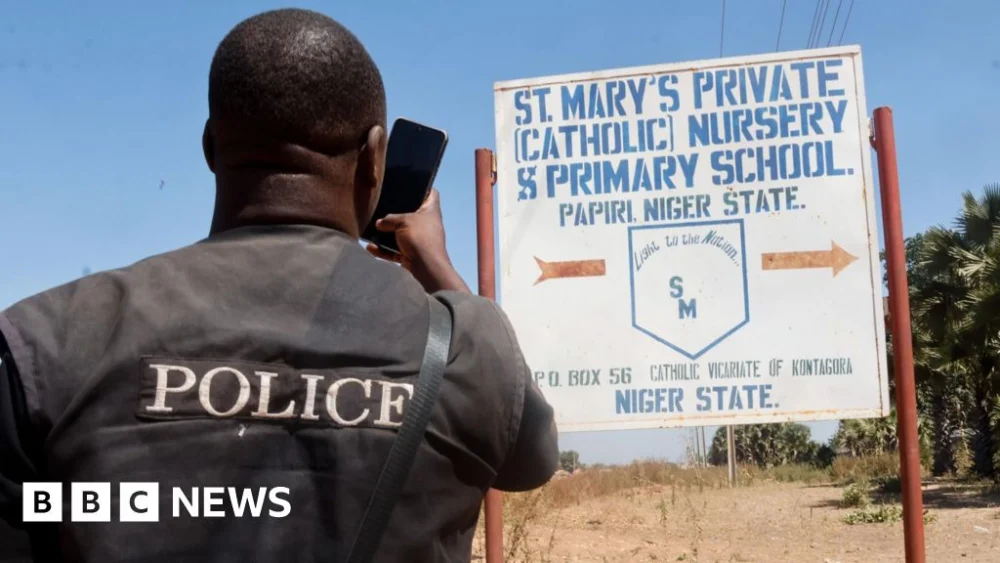
Nigeria’s government has vehemently denied a media report that it paid a substantial ransom to the notorious Islamist militant group Boko Haram to secure the release of over 200 pupils and staff abducted from St. Mary’s Catholic Secondary School in the western state of Niger in November. Information Minister Mohammed Idris, speaking from the capital Abuja, dismissed the allegations, which originated from the AFP news agency and cited intelligence sources, as "completely false and baseless." He further stated that such claims were a "disservice to the professionalism and integrity" of Nigeria’s dedicated security forces, who he asserted were instrumental in the safe return of the abducted individuals. The minister also explicitly refuted the report’s assertion that two Boko Haram commanders were part of any exchange or deal for the pupils’ freedom.
In a separate, significant development, a presidential spokesman announced that the Inspector-General of Police, Kayode Egbetokun, a close ally of President Bola Tinubu, has resigned. Bayo Onanuga, the spokesman, stated that Egbetokun’s resignation, occurring a year before the official end of his term, was due to "pressing family considerations." This departure comes at a critical juncture for Nigeria, which is grappling with escalating security challenges across the nation. The role of acting police chief has been filled by Tunji Disu. The country’s pervasive security issues include a deeply entrenched problem of kidnapping for ransom, a lucrative criminal enterprise involving various actors, from Islamist militants like Boko Haram to notorious gangs known as "bandits" and separatist groups.
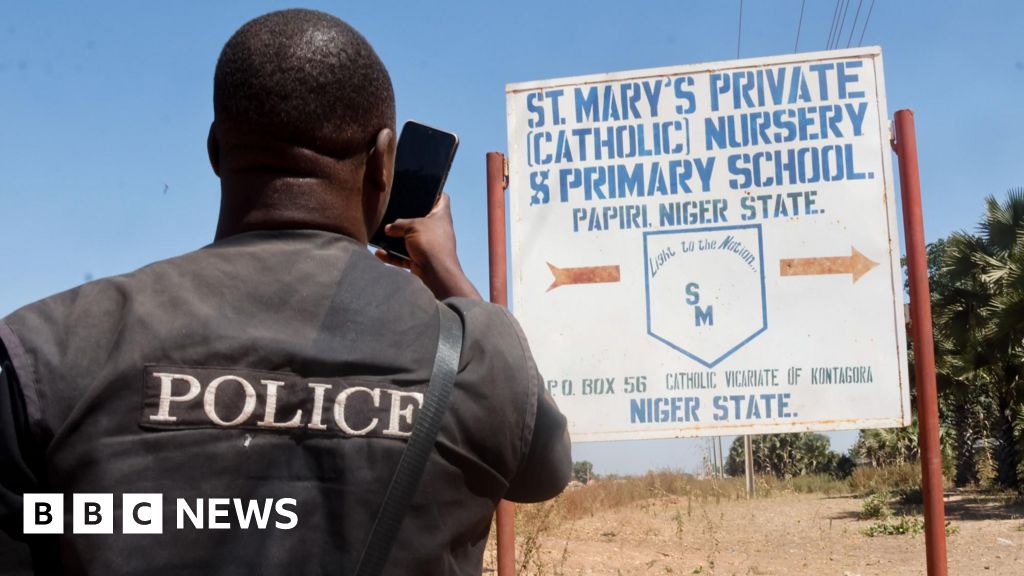
The abduction from St. Mary’s School, located in Papiri, Niger state, on November 21, sent shockwaves across Nigeria. Analysts cited by AFP suggested that the operation was likely orchestrated by a feared Boko Haram militant commander identified as "Sadiku," a figure with a history of involvement in high-profile kidnappings and violent attacks. While Boko Haram’s most prominent activities have historically been concentrated in the northeastern state of Borno, where the insurgency began in 2009, splinter factions and other sophisticated criminal networks now operate extensively across Nigeria’s northwestern and north-central regions, contributing to the widespread insecurity. The successful rescue of all remaining pupils and staff was announced just days before Christmas, a relief for many anxious families and the nation at large.
Minister Idris, in a stern rebuttal to the AFP report, highlighted that the allegations were exclusively based on "shadowy, unnamed sources" and directly contradicted official statements previously issued by Nigeria’s intelligence agencies and senior lawmakers. The AFP report had presented conflicting figures regarding the ransom, with one source suggesting an amount of approximately 40 million naira (around $30,000 or £22,000) per captive, while another source indicated a total payout of 2 billion naira (approximately $1.5 million). Furthermore, the report alleged that the ransom money was transported by air to Boko Haram’s stronghold in Gwoza, Borno state, and delivered to a local commander. Idris categorically dismissed these claims as "fiction," stating, "The assertion that ransom was delivered by helicopter to insurgents, with cross-border confirmation of receipt, is fiction." He added that Nigeria’s domestic intelligence agency, the Department of State Services (DSS), had "dismissed this claim as fake and laughable."
The Information Minister emphasized that Nigeria is currently confronting a "structured, profit-driven criminal enterprise." He credited the successful rescue of the pupils, achieved without any loss of life, to "professional intelligence and operational precision." The notorious history of Boko Haram includes the 2014 kidnapping of over 200 schoolgirls from Chibok, an event that drew international condemnation and highlighted the vulnerability of educational institutions. Since then, Nigeria has witnessed a disturbing surge in mass abductions, with experts suggesting that ransom payments – whether made by desperate families, intermediaries, or, in some instances, state authorities – have unfortunately fueled what many describe as a pervasive "kidnap-for-profit industry." Despite a law enacted in 2022 that criminalizes the payment of ransoms, its enforcement remains a significant challenge, often leaving families with little recourse but to pay to secure the safety of their loved ones.
Security experts, frequently quoted in local media, have consistently argued that official denials of ransom payments do not always reflect the complex realities of clandestine negotiations that often occur behind the scenes. This controversy arises at a particularly sensitive time for the Nigerian government, which is facing heightened diplomatic scrutiny, particularly from the United States. On Monday, a report compiled by a bipartisan U.S. congressional delegation put forth sweeping recommendations aimed at addressing what it characterized as the "long-running persecution of Christians in Nigeria." The proposals were formally presented at the White House by Republican Representative Riley Moore, who stated that the report was the culmination of months of extensive fieldwork, hearings with expert witnesses, consultations with religious leaders, and discussions with displaced communities in central Nigeria.
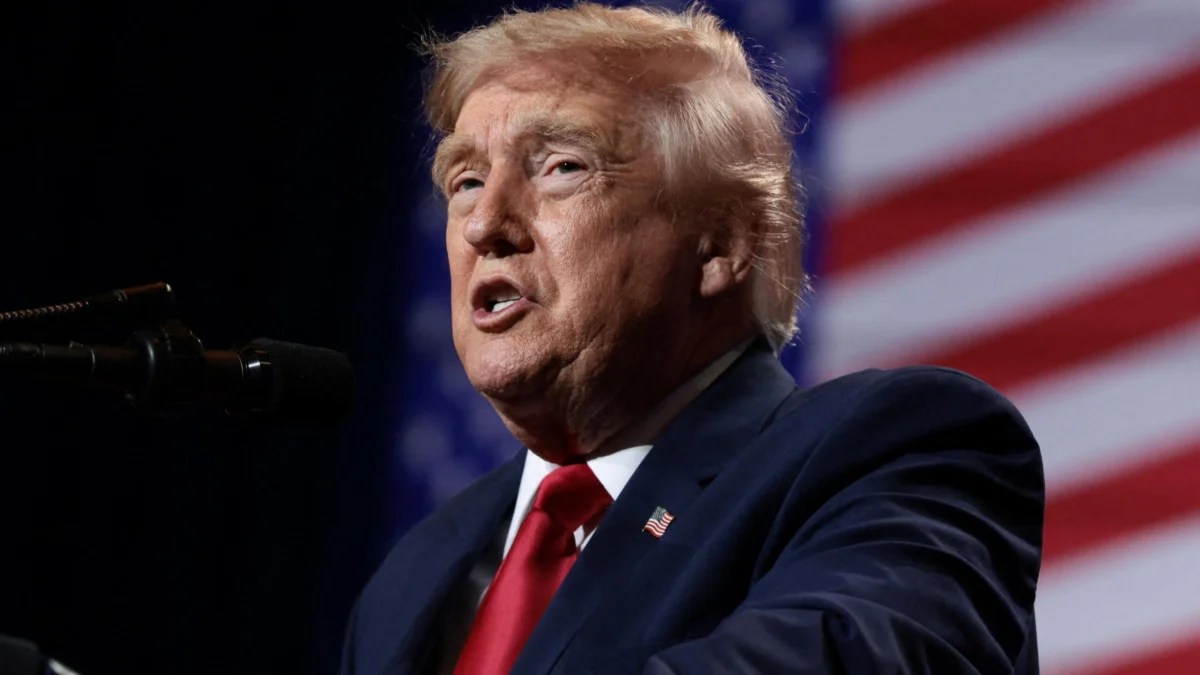
"I travelled on a bipartisan delegation to Nigeria and saw with my own eyes the horrific atrocities Christians face, and the instability the Nigerian government must combat," Representative Moore declared. The report advocates for a new bilateral security pact between the U.S. and Nigeria, the imposition of targeted sanctions, and a series of other reforms, including a potential ban on Nigeria’s beef exports, intended to compel armed herder groups to disarm. It also suggests implementing legal reforms to safeguard religious freedom within Nigeria. The Nigerian government has yet to issue a formal response to these recommendations, which stem from concerns previously raised by the administration of former U.S. President Donald Trump regarding the treatment of Christians in Nigeria. Trump had previously alleged that a "Christian genocide" was underway in the country, an accusation strongly refuted by the Nigerian government, which maintains that individuals of all faiths, including Muslims, Christians, and those with no religious affiliation, are victims of the ongoing attacks.



 Roy Suryo

 Nakalama John
 atisusanti
 Ramos Leo
