atisusanti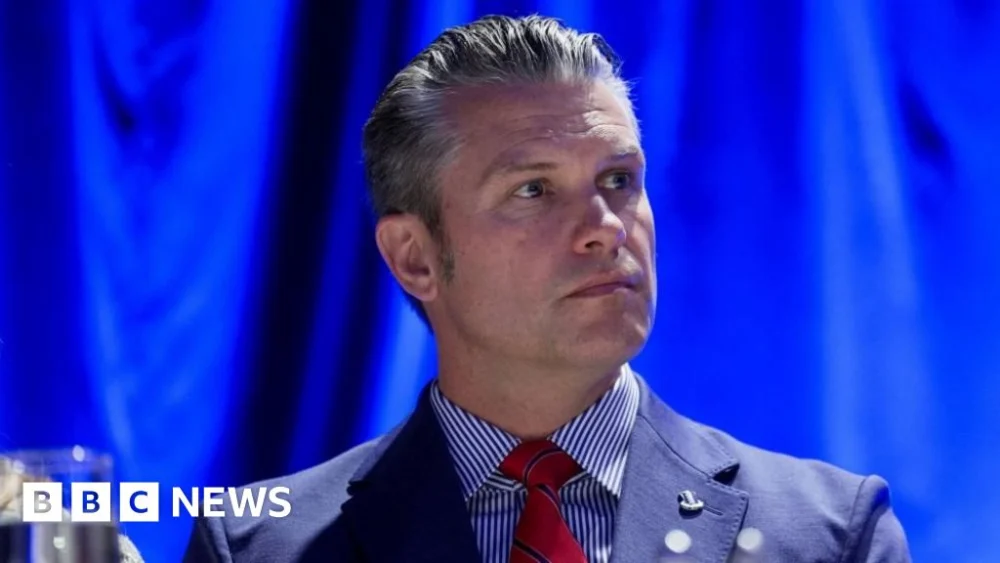
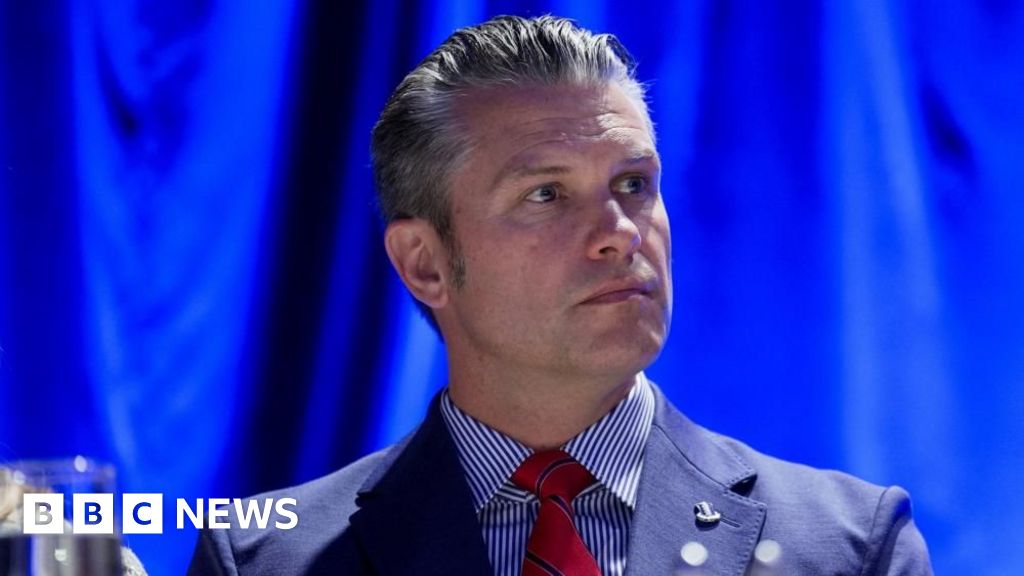
In a dramatic escalation of tensions surrounding the integration of artificial intelligence into national security operations, U.S. Secretary of Defense Pete Hegseth has issued a stern ultimatum to Anthropic, a leading AI developer. Hegseth has vowed to remove the company’s technology from the Department of Defense’s supply chain if Anthropic refuses to grant the military unrestricted access to its AI capabilities for all lawful applications. This forceful stance was articulated during a critical meeting on Tuesday, which Hegseth personally convened with Anthropic’s chief executive, Dario Amodei. A source close to the discussions revealed that the meeting was a direct response to disagreements over the Pentagon’s usage policies for AI technology.
Anthropic, known for its AI chatbot Claude, has expressed a desire to continue supporting the government’s national security objectives but with certain ethical and safety boundaries. "We continued good-faith conversations about our usage policy to ensure Anthropic can continue to support the government’s national security mission in line with what our models can reliably and responsibly do," stated an Anthropic representative in a formal release. However, a senior Pentagon official clarified that the current impasse is not related to the development or deployment of autonomous weapons systems or widespread domestic surveillance, areas where Anthropic has previously voiced strong objections.
The deadline for Anthropic to comply with the Pentagon’s demands was set for Friday evening. While the tone of the conversation between Secretary Hegseth and CEO Amodei was reportedly cordial, Amodei clearly outlined Anthropic’s "red lines." These critical boundaries include the involvement of their AI in autonomous kinetic operations, where AI tools would autonomously make final decisions on military targeting without human oversight. Similarly, the use of Anthropic’s technology for mass domestic surveillance is another non-negotiable restriction for the company.
Despite these stated concerns from Anthropic, the Pentagon official emphasized that the current dispute centers on a different aspect of AI deployment. Should Anthropic fail to meet the Friday deadline, Secretary Hegseth indicated his intention to invoke the Defense Production Act. This powerful legislative tool could legally compel Anthropic executives to permit the Pentagon unrestricted use of their AI technology on national security grounds. Concurrently, the Pentagon plans to formally designate Anthropic as a supply chain risk, a classification that could have significant ramifications for the company’s future government contracts and broader industry standing.
During the meeting, Anthropic CEO Dario Amodei acknowledged the Department’s work and expressed his appreciation for Secretary Hegseth’s service. This exchange occurred within the context of a broader initiative by the Pentagon to integrate cutting-edge AI into its operations. Last summer, Anthropic was among four prominent AI companies awarded contracts by the Department of Defense. These contracts, each potentially worth up to $200 million, were also granted to Google, OpenAI (the creator of ChatGPT), and Elon Musk’s xAI, the developer of the AI chatbot Grok. Emil Michael, a defense department official, had previously articulated the Pentagon’s objective: to ensure that all contracted AI providers, including OpenAI, Google, xAI, and Anthropic, allow the military "to be able to use any model for all lawful use cases."
Anthropic has consistently striven to differentiate itself by championing a more safety-conscious approach to AI research and development. The company actively publishes safety reports detailing the capabilities and potential risks of its AI products, making these reports publicly accessible. One such report from the previous year, for instance, acknowledged that Anthropic’s AI technology had been exploited by malicious actors for sophisticated cyber-attacks. This commitment to transparency, however, has been challenged by reports suggesting that the U.S. military may have utilized Anthropic’s AI model, Claude, during the operation that led to the apprehension of former Venezuelan President Nicolás Maduro in January. Sources familiar with the matter indicated that the Claude model was employed in the Maduro operation through a contract facilitated by Palantir, a defense technology company with which Anthropic has established partnerships.
It is noteworthy that Anthropic was the first technology firm to receive approval to operate within the Pentagon’s classified military networks, underscoring the depth of their initial integration. The core of the Pentagon’s current position is that once AI technology is acquired, the Defense Department should retain complete autonomy over its application, without granting the developer any veto power over its use.
Analysts and observers suggest that the current friction between Anthropic and the Pentagon stems from a perceived breach of trust. Emelia Probasco, a Senior Fellow at Georgetown University’s Center for Security and Emerging Technology, commented on the situation, stating, "They need to get to a resolution." She further emphasized the moral imperative for the government to leverage every available technological advantage for those in service, adding, "In my opinion, we should be giving the people we ask to serve every possible advantage. We owe it to them to figure this out." The outcome of this high-stakes negotiation is anticipated to set a significant precedent for the future of AI deployment in sensitive national security contexts.


 Roy Suryo
 Nana Banana

 Ramos Leo