atisusanti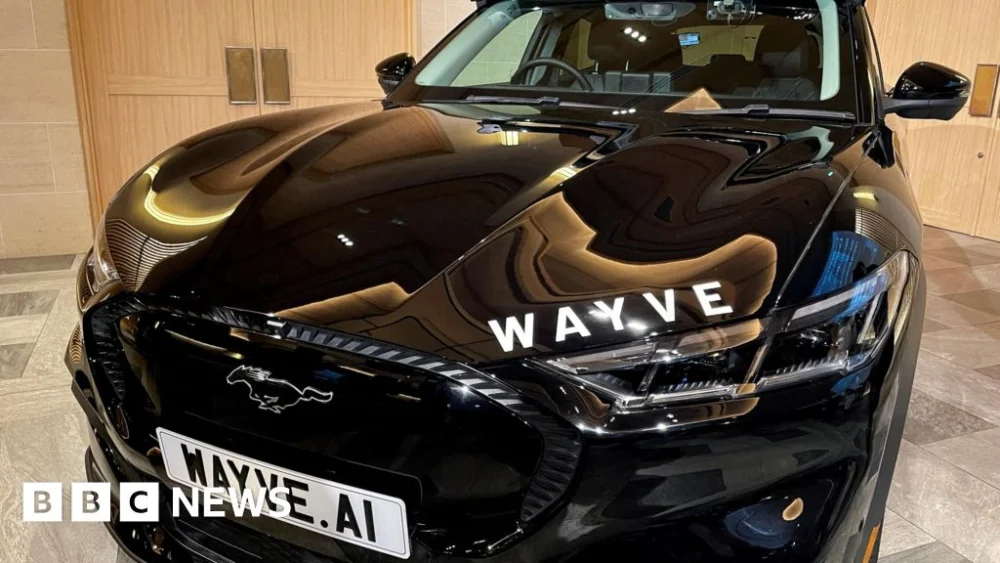
British self-driving startup Wayve has declared its technology is robust enough to navigate any road condition, including the notoriously pothole-ridden streets that plague the UK. This bold assertion comes on the heels of a monumental funding round, securing an additional $1.5 billion (£1.1 billion) from a consortium of high-profile investors, including tech giants Microsoft and Nvidia. This significant capital injection marks one of the largest funding rounds ever for a British technology company, underscoring immense confidence in Wayve’s innovative approach to autonomous driving.
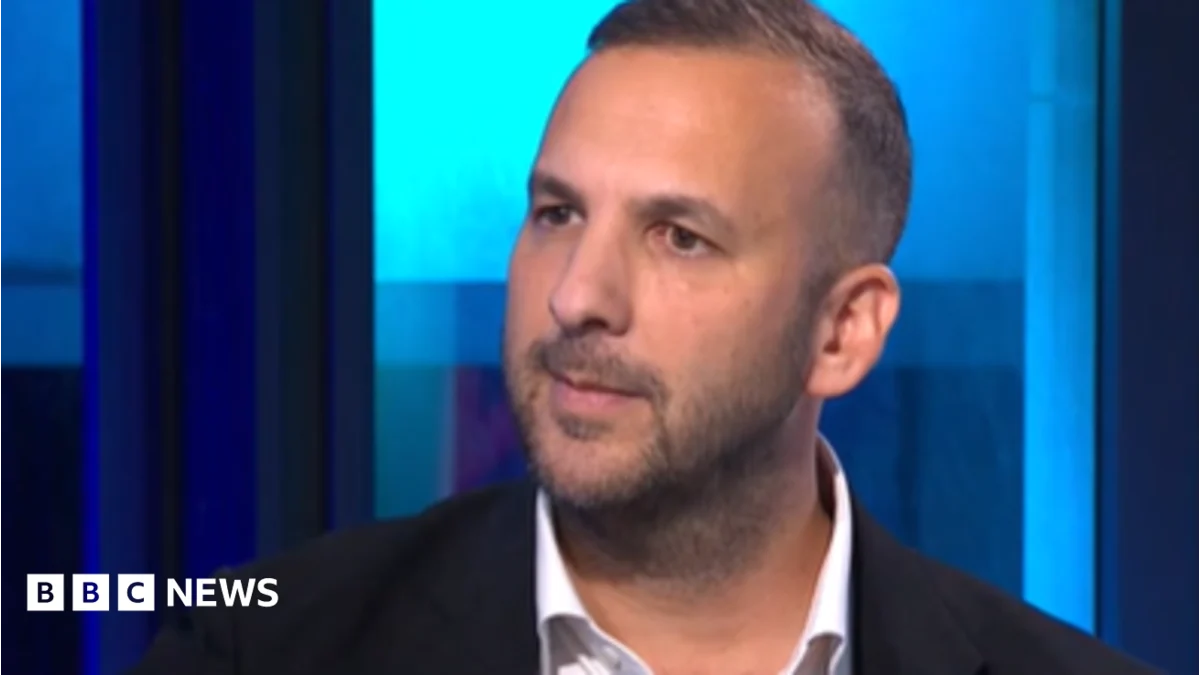
The timing of this investment is particularly opportune as Wayve gears up for the highly anticipated launch of its robotaxi service in London later this year. This ambitious undertaking is being realized through a strategic partnership with ride-sharing behemoth Uber, signaling a major step towards the widespread adoption of autonomous mobility in one of the world’s most complex urban environments. Alex Kendall, Wayve’s chief executive and co-founder, expressed his optimism, stating that autonomous vehicles powered by his company’s technology will soon be a common sight not only in London but in numerous other locations globally.
Kendall elaborated on the company’s extensive testing regime, highlighting successful trials across diverse terrains and conditions. "We’ve taken it throughout Wales, Scotland, rural parts of England and the complexities of driving it through central London," he told BBC Radio 4’s Today programme. When directly questioned about the potential for hazards like potholes to impede the autonomous system, Kendall dismissed the concern with unwavering certainty. "Not at all," he replied. "The AI has the intelligence to drive on roads, the same ones as you and I, just drive within the environment that we have today." This statement implies that Wayve’s AI is not reliant on perfect road conditions but rather possesses the adaptability to handle real-world imperfections.
Founded in 2017, Wayve has distinguished itself by developing an artificial intelligence system that learns and adapts from its environment. Unlike many competitors that rely on highly detailed, pre-mapped routes, Wayve’s AI processes real-time data from a suite of sensors to make driving decisions. This "end-to-end" deep learning approach allows the vehicle to develop a nuanced understanding of its surroundings, enabling it to react dynamically to unforeseen circumstances. This method positions Wayve as a significant player in a rapidly evolving field, though it faces stiff competition from established players such as Waymo, the autonomous driving subsidiary of Alphabet Inc., and other emerging companies.
The competitive landscape is further intensified by the impending entry of other international players into the UK market. Notably, US firm Lyft is also preparing to launch its autonomous services in the UK, in collaboration with Chinese technology company Baidu. This influx of global competition underscores the strategic importance of the UK as a proving ground for autonomous vehicle technology.
Kendall further emphasized the unique challenges and opportunities presented by different urban environments. He noted that training an AI to navigate London offers a distinct learning experience compared to the more structured, grid-like street layouts often found in the United States, where autonomous vehicles have been undergoing trials for a considerable period. Similarly, China has been a pioneer in allowing autonomous vehicles to operate in select cities for several years, contributing valuable data and insights to the global development of the technology.
Looking ahead, Kendall expressed a strong conviction that the widespread adoption of autonomous vehicles is not a question of if, but when. He predicted that "all cars will be autonomous in the future," suggesting a transformative shift in personal transportation and logistics. This long-term vision is bolstered by the company’s impressive valuation, with the recent investment round valuing the London-based business at approximately $8.6 billion (£6.4 billion).
The substantial financial backing and the optimistic outlook from Wayve have drawn commentary from industry experts. Rachel Harris, a Supervising Associate at Simmons & Simmons, remarked that the investment signifies "investors believe autonomous driving technology is reaching commercial maturity." This suggests a growing sentiment that the technology is moving beyond theoretical development and is on the cusp of widespread commercial deployment.
However, Harris also cautioned that potential roadblocks remain. "The critical question is whether regulation can keep pace," she stated, highlighting the crucial role of governmental oversight and legal frameworks in the safe and widespread integration of autonomous vehicles. The pace at which regulatory bodies can adapt to the rapid advancements in AI and autonomous systems will be a key determinant of the speed of adoption.
Despite these regulatory considerations, Harris remains optimistic about the UK’s potential to lead in this domain. She suggested that if these challenges can be effectively addressed, "the UK is well positioned to be not just a centre of autonomous vehicle innovation, but a global leader in regulation." This sentiment points to the UK’s existing strengths in technological innovation and its potential to develop a robust and forward-thinking regulatory environment that can foster the growth of the autonomous vehicle industry. Wayve’s success, therefore, could serve as a catalyst for the UK to solidify its position as a global leader in shaping the future of transportation. The company’s ability to overcome the practical challenges of real-world driving, such as navigating imperfect road infrastructure, suggests a significant leap forward in making autonomous vehicles a practical reality for everyday use.




 Nana Banana

 George Anjay
 Ramos Leo