George Anjay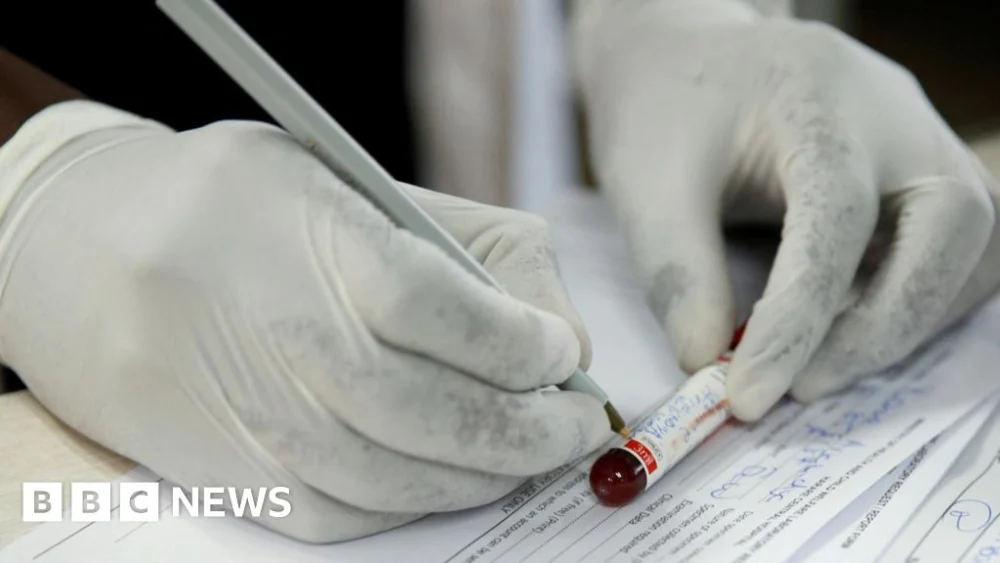
Zimbabwe has formally rejected a substantial health assistance deal with the United States, valued at $367 million over five years, citing Washington’s insistence on accessing sensitive Zimbabwean biological data. This decision, revealed through a leaked government memo from December, indicates President Emmerson Mnangagwa’s assessment that the proposed agreement was fundamentally "lopsided." A government spokesperson has since elaborated on the core of the dispute, explaining that the U.S. was seeking access to biological samples for research and potential commercial exploitation, yet was unwilling to commit to sharing any future benefits derived from these samples, such as vaccines and treatments, with Zimbabwe.
The fallout from this rejection is significant, with the U.S. ambassador to Zimbabwe, Pamela Tremont, expressing profound regret. "We will now turn to the difficult and regrettable task of winding down our health assistance in Zimbabwe," Tremont stated in a released statement. She highlighted the considerable investment the U.S. has made in Zimbabwe’s health sector, noting that the embassy has provided over $1.9 billion in health funding to the country over the past two decades. The U.S. embassy further emphasized the intended scope of the now-defunct funding, which was earmarked for critical health programs including HIV/Aids treatment and prevention, tuberculosis, malaria, maternal and child health, and crucial disease outbreak preparedness initiatives. Ambassador Tremont underscored the potential impact of the cancelled deal, stating, "We believe this collaboration would have delivered extraordinary benefits for Zimbabwean communities, especially the 1.2 million men, women and children currently receiving HIV treatment through U.S.-supported programmes."
However, Zimbabwe’s government maintains that the terms of the proposed agreement were fundamentally inequitable. Government spokesperson Nick Mangwana articulated the nation’s concerns, describing the arrangement as "asymmetrical." His statement, published by The Herald online, detailed the perceived imbalance: "Zimbabwe was being asked to share its biological resources and data over an extended period, with no corresponding guarantee of access to any medical innovations – such as vaccines, diagnostics, or treatments – that might result from that shared data." Mangwana elaborated on this point, asserting, "In essence, our nation would provide the raw materials for scientific discovery without any assurance that the end products would be accessible to our people should a future health crisis emerge."
Mangwana also drew attention to broader concerns regarding the U.S.’s approach to global health partnerships, referencing the U.S.’s withdrawal from the World Health Organization (WHO) and its increasing preference for bilateral health agreements. He argued that these actions risk undermining existing structures established through the global health agency. As a specific example, he cited the Pathogen Access and Benefit Sharing (PABS) scheme, designed to manage future pandemics. "This system is designed to ensure that when a country contributes its data, the benefits – including vaccines and treatments – are shared equitably, not commercialised exclusively by those with the resources to develop them," Mangwana explained, implying that the rejected U.S. deal did not align with such equitable principles. He was keen to clarify that Zimbabwe’s reservations about the U.S. deal should not be interpreted as anti-American sentiment. "We welcome continued dialogue with our American counterparts on how future co-operation might be structured in a manner that respects the sovereignty and dignity of both nations," he added.
The Zimbabwe College of Public Health Physicians (ZCPHP) has acknowledged the government’s concerns regarding data governance and equitable benefit-sharing. However, the ZCPHP has also advocated for continued dialogue, recognizing the critical reliance of many of Zimbabwe’s vital HIV programs on external funding. The association suggested that technical challenges related to data governance or implementation frameworks are often amenable to resolution through further technical clarification and the negotiation of robust safeguards. This perspective highlights the delicate balancing act Zimbabwe faces: protecting its national interests and sovereignty concerning sensitive data while ensuring the continuity of essential health services that are heavily dependent on international support. The situation underscores the complexities of global health diplomacy, where the sharing of vital health data for research and development must be meticulously negotiated to ensure mutual benefit and prevent the exploitation of resources from lower-income nations. The U.S. embassy’s statement, while expressing disappointment, also signals a potential willingness to re-engage on different terms, suggesting that future negotiations might focus on addressing Zimbabwe’s specific concerns about data ownership and benefit-sharing. The ultimate outcome will determine the future of crucial health programs in Zimbabwe and set a precedent for similar international health collaborations.



 Roy Suryo
 Nakalama John
 atisusanti
 Ramos Leo