
 George Anjay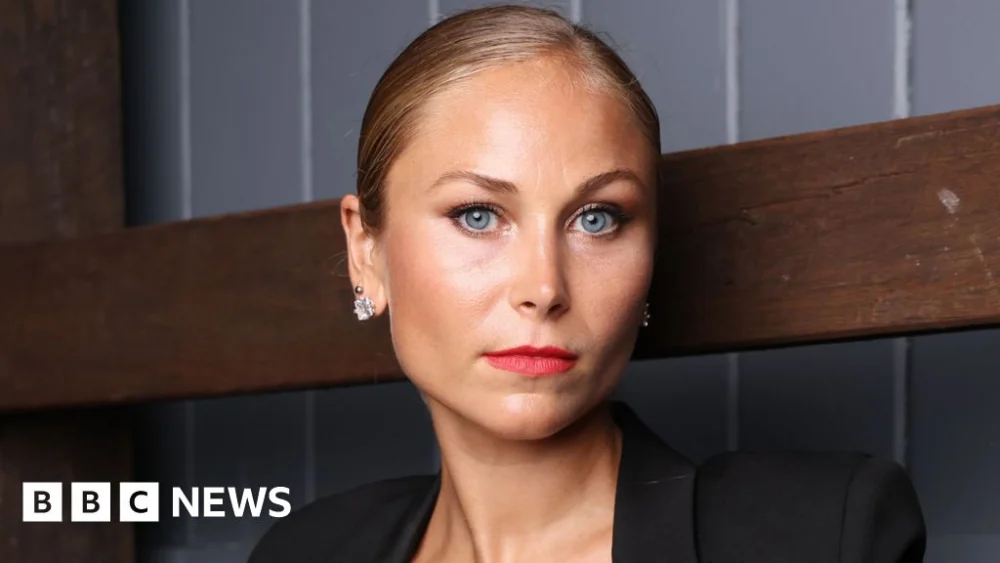
Australian Prime Minister Anthony Albanese has issued an apology after describing prominent sexual abuse survivor and advocate Grace Tame as "difficult" during a rapid-response interview. The incident has ignited a fierce debate about language used to describe women, particularly those who speak out against injustice, with Tame herself dismissing the apology as condescending and "old man" talk.
The controversy unfolded during a segment where Albanese was asked to provide a single-word response to various public figures and concepts. When prompted with Grace Tame’s name, the Prime Minister responded with "difficult." Tame, who was named Australian of the Year in 2021 for her powerful advocacy for survivors of child sexual abuse and her work to reform laws that silence victims, swiftly condemned the remark. Taking to social media, she articulated that "difficult" is often used as "misogynist’s code for a woman who won’t comply. History tends to call her ‘courageous’."
Albanese initially attempted to clarify his statement, apologising "if there was any misinterpretation" and explaining that Tame "has had a very difficult life, but she deserves great credit for turning that into a benefit for others." However, this explanation did little to appease Tame, who publicly rejected the apology hours later. On Instagram, she posted a scathing retort: "Spare me the condescension, old man. We all know what you meant."
The exchange drew criticism from other political figures. Greens leader Larissa Waters also weighed in on X (formerly Twitter), labelling Albanese’s description of Tame as "completely unwarranted." Waters powerfully argued, "Labelling women as difficult won’t silence us. It won’t stop us speaking truth to power. Next time try ‘unbreakable’ or ‘warrior’ or ‘fierce’, Prime Minister." This sentiment highlights a broader concern about the perpetuation of language that seeks to diminish or pathologise women who assert themselves and challenge established norms.
The context of the "one-word response" game also provided further insight into Albanese’s other remarks. During the same segment, he labelled Donald Trump as "president," Angus Taylor (new head of the opposition coalition) as "leader," and Pauline Hanson (leader of the anti-immigration One Nation party) as "divisive." More provocatively, when asked for a response to "Andrew Mountbatten-Windsor" (referring to Prince Andrew), Albanese’s answer of "grub" elicited applause from the audience, suggesting a willingness to engage in more pointed commentary on certain public figures.
Grace Tame’s journey to national prominence is rooted in her deeply personal and harrowing experience with sexual abuse. At the age of 15, she was groomed and raped by her then 58-year-old maths teacher, Nicolaas Ockert Bester. Bester was subsequently found guilty of the abuse and served a sentence of one year and nine months in jail for the sexual abuse he inflicted upon Tame in 2011. This trauma, however, did not break her. Instead, Tame channelled her pain into activism, becoming a formidable force for change.
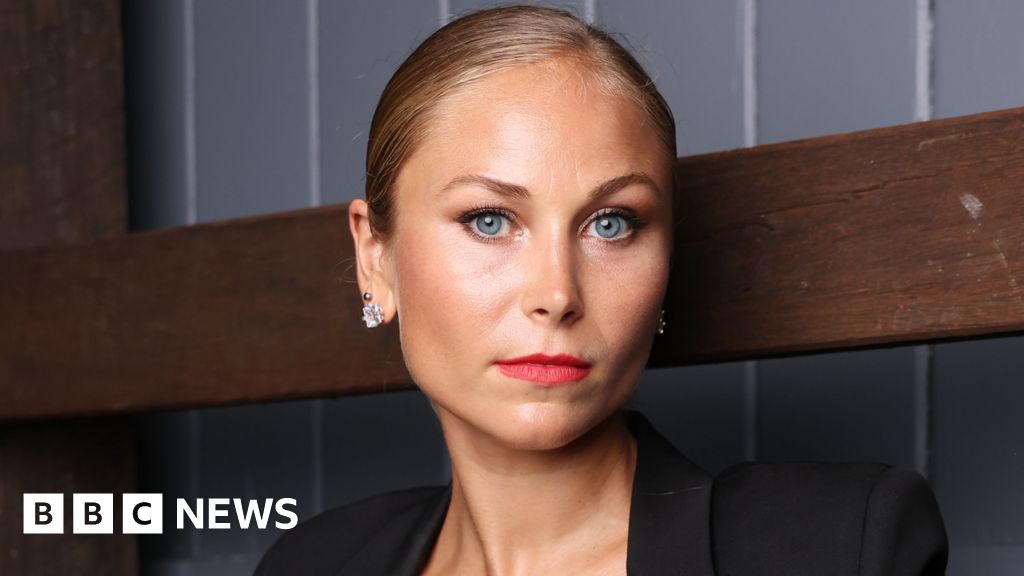
Her appointment as Australian of the Year in 2021 was a testament to her relentless advocacy. A key focus of her campaigning was the overturning of laws in her home state of Tasmania that had previously made it illegal for victims of sexual abuse to speak publicly about their experiences. This legal reform was crucial in empowering survivors and allowing them to share their stories without fear of legal reprisal, a significant step towards accountability and healing.
Tame’s public profile was further amplified in 2022 when now-viral videos and images emerged of her pointedly refusing to smile at an official event with the then-Prime Minister Scott Morrison. This act of defiance was widely interpreted as a protest against Morrison’s government’s perceived inadequate response to sexual assault allegations and the prevailing toxic workplace culture within Australian parliament. This was particularly in the wake of the serious allegation made by former political staffer Brittany Higgins, who claimed she was raped in her boss’s office in 2019. Tame’s refusal to perform a smile was seen as a powerful visual statement of her dissatisfaction and her commitment to demanding greater accountability from those in power.
The incident involving Albanese’s "difficult" remark also brings to the fore the ongoing challenges faced by women in public life, especially those who have experienced trauma and use their voices to advocate for change. The tendency to label outspoken women as "difficult," "emotional," or "hysterical" is a well-documented phenomenon rooted in historical gender biases. These labels serve to undermine their credibility, shift the focus away from the issues they raise, and discourage others from speaking out. Tame’s astute observation about "misogynist’s code" accurately identifies this pattern, highlighting how such language can be a subtle yet potent tool for silencing dissent.
The Prime Minister’s initial apology, framed around the idea of "misinterpretation," suggests a reluctance to fully confront the potentially ingrained biases in language. While Tame has endured immense hardship, her strength lies in her ability to transform her experience into advocacy, a quality that many would deem courageous rather than difficult. Her dismissal of the apology underscores the growing expectation that public figures, particularly those in leadership positions, should demonstrate a deeper understanding of the impact of their words and a genuine commitment to respectful discourse.
The broader context of public discourse in Australia, as evidenced by the other rapid-response answers given by Albanese, reveals a complex landscape of political commentary. While comments on figures like Trump or Hanson might be seen as more predictable political sparring, the characterisation of a prominent advocate like Grace Tame touches a more sensitive nerve. It highlights the fine line between directness and dismissiveness, and the importance of choosing language that respects the gravity of an individual’s lived experience and their subsequent contributions.
Ultimately, the exchange between Grace Tame and Prime Minister Anthony Albanese serves as a potent reminder of the ongoing struggle for equitable and respectful representation of women in public life. Tame’s resilience and unwavering commitment to amplifying the voices of survivors have made her a national icon. Her response to the Prime Minister’s remark has not only defended her own integrity but has also sparked a crucial conversation about the language we use to describe women who dare to challenge the status quo and demand a more just society. The call for words like "unbreakable," "warrior," or "fierce" over "difficult" signifies a desire for a societal lexicon that truly honours the strength and courage of those who have overcome adversity and dedicated their lives to making a difference.




 Roy Suryo

 Nakalama John
 atisusanti
 Ramos Leo
