George Anjay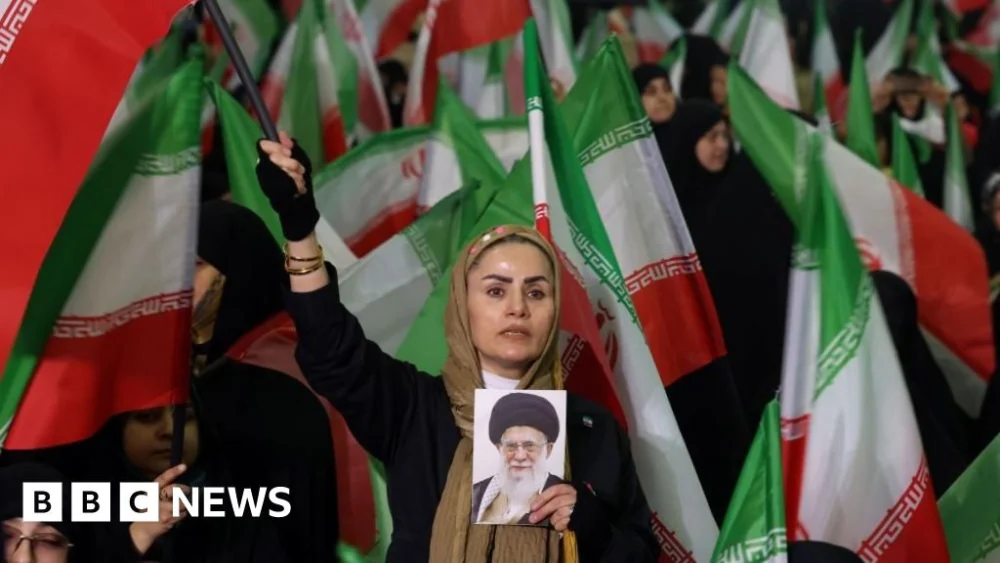
This is an extraordinary moment for the Islamic Republic of Iran, a defining juncture that its most powerful clerics and commanders have been meticulously preparing for. The whispers and swirling reports about the fate of the Supreme Leader, Ayatollah Ali Khamenei, began to intensify on Saturday morning, immediately following the first wave of strikes that clearly targeted his residence. Satellite imagery provided stark visual evidence, revealing significant damage to his compound.
Iran’s initial response was swift and designed to project control: a claim that the Supreme Leader had been safely moved to a secure location. This was followed by an announcement that the 86-year-old cleric would address the nation on state television, a promise that ultimately failed to materialize, fueling further speculation. By early evening, Israeli Prime Minister Benjamin Netanyahu, in a carefully delivered televised address, stated that "there are many signs" indicating the Supreme Leader "is no longer." This was soon echoed by a series of reports in Israeli and US media outlets, citing unnamed officials who spoke of convincing evidence of his death. Throughout this period of intense speculation, Iranian officials continued their public denials, attempting to manage the narrative.
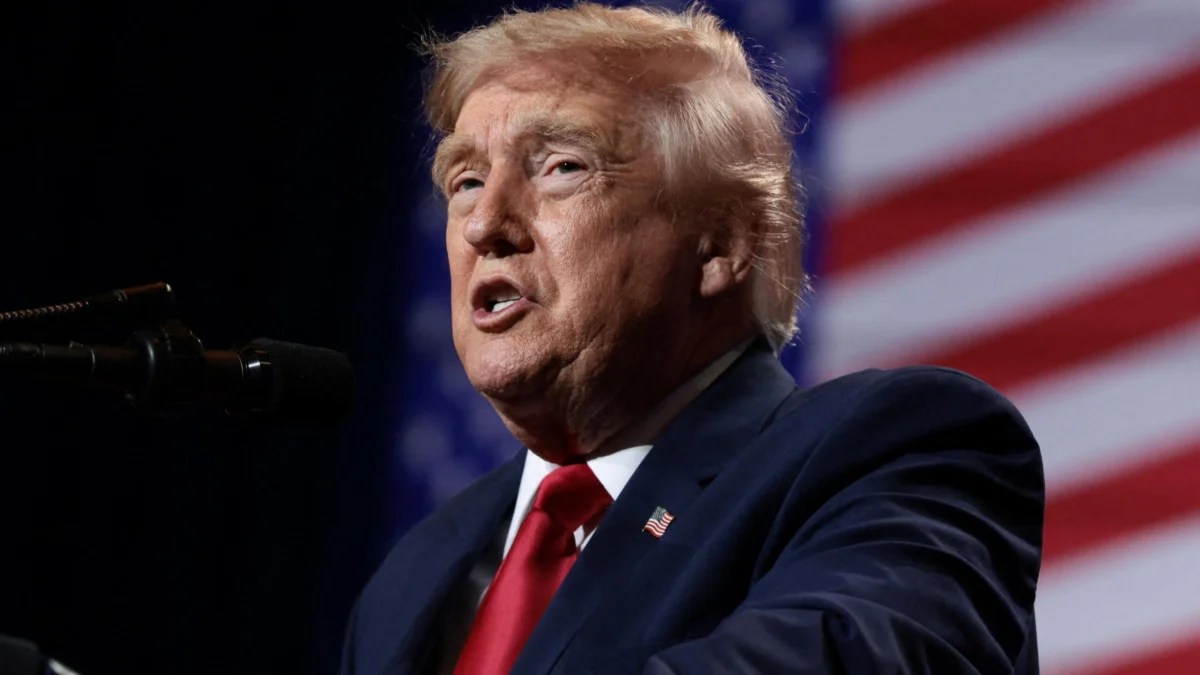
However, the official confirmation, when it finally came, arrived hours after US President Donald Trump announced the news on his social media platform. An Iranian state TV presenter, visibly emotional, tearfully announced the passing of "the steadfast mountain of the Islamic guardianship," who "drank the sweet pure draught of martyrdom." The announcement was immediately followed by the declaration of a forty-day period of mourning. As the second day of this unfolding conflict dawned, pro-government events began to emerge across the country, organized to commemorate his passing and express grief.
Yet, juxtaposed against the official mourning, videos began to surface rapidly through the night, depicting scenes of jubilation in various Iranian cities. Explosions of joy were also reported in Iranian communities across numerous countries, a clear testament to the widespread relief and hope that his hardline rule had ended, and that this moment might signify the beginning of the end for the Islamic regime itself.
These are indeed fateful moments in the turbulent history of the Islamic Republic of Iran, a trajectory of events that the nation’s leadership has actively sought to control and anticipate. The 12-day war last June served as a crucial, albeit brutal, crucible for this preparation. On the very first night alone, during the initial wave of attacks, Israel managed to assassinate nine nuclear scientists and a number of key security chiefs. In the subsequent days, the casualties extended to more senior scientists and at least 30 leading commanders, a clear signal that the Ayatollah himself could also be a target.
It was widely reported at the time that Khamenei, who reportedly spent the duration of that war in a specially prepared bunker, was actively drawing up lists of security officials who could immediately step into leadership positions to prevent any power vacuum in the top echelons of the regime. Even before last year’s hostilities commenced, reports indicated that Khamenei had instructed the Assembly of Experts, the body of some 88 senior clerics tasked with selecting a Supreme Leader, to be prepared for every conceivable eventuality. The New York Times had previously reported that he had personally identified "three senior clerics" as potential successors in the event of his assassination.
For many years, speculation has swirled around potential successors, with his son, Mojtaba, frequently mentioned as a contender. The current situation highlights that it is not merely the Supreme Leader who was targeted and, by all credible accounts, killed in this initial day of air strikes and targeted attacks. Those who remain in positions of power, or those who have been compelled to step into more senior roles, will undoubtedly be focused on sending a powerful message to the world: that they are still firmly in charge, and that the succession will be seamless and uncontested.
However, the conclusion of Ayatollah Khamenei’s 36-year rule represents a profound shock to his staunchest supporters, most notably his aides and allies within the elite Islamic Revolutionary Guards Corps (IRGC), the very organization tasked with defending him and the Islamic revolution both domestically and internationally. Despite the official pronouncements and the organized mourning, the BBC has independently verified videos that clearly show groups of people celebrating the reports of his demise on the streets of Tehran and Karaj, underscoring the deep divisions within Iranian society.
Throughout his tenure, Khamenei, deeply suspicious of the West, particularly the United States, and resolutely hostile towards Israel, ruled with an iron fist. He systematically suppressed calls for reform and quelled repeated waves of protests that challenged his authority. The recent years, marked by direct military confrontations with Israel and America, coupled with escalating internal dissent from his own people, have presented him with his most significant challenges.
During a recent visit to Tehran earlier this month, the atmosphere within Iran felt palpably different. The pain and anger stemming from the security crackdown – the most severe in the nation’s history, which resulted in the deaths of many thousands of Iranians – remained a raw and pervasive sentiment. As Khamenei’s long period at the helm is brought to an abrupt end, the focus will inevitably shift to his successor. The critical question will be whether this change at the very top could also herald a fundamental shift in direction for the 47-year-old Islamic republic.
Regardless of who ultimately emerges to lead Iran, their overriding objective will undoubtedly remain the same: the preservation of an order that ensures the continued power of the clerics and their formidable security forces. The war, far from being over, is already unfolding in unpredictable and perilous ways, marking a critical turning point in the history of modern Iran.



 Roy Suryo
 Nakalama John
 atisusanti
 Ramos Leo