atisusanti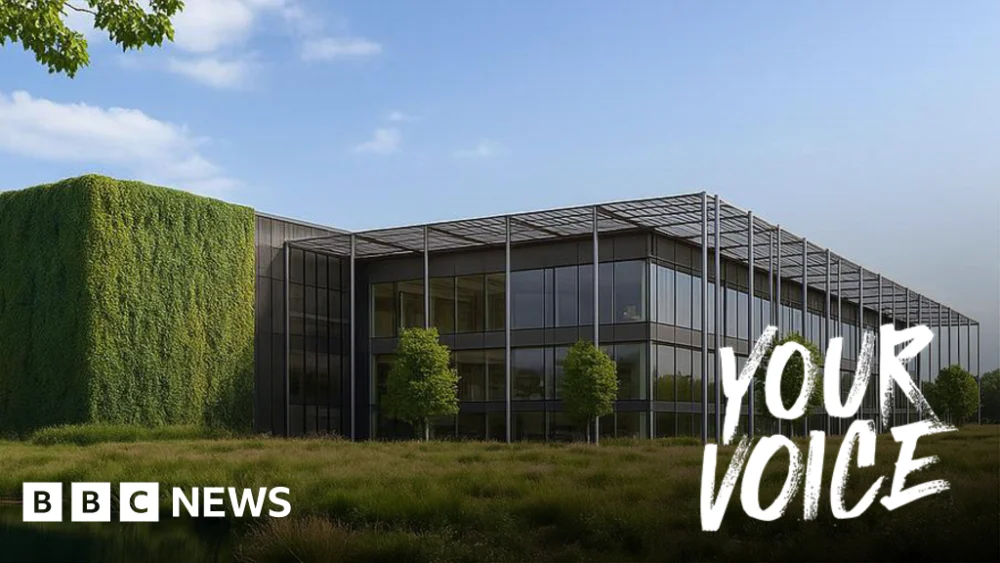
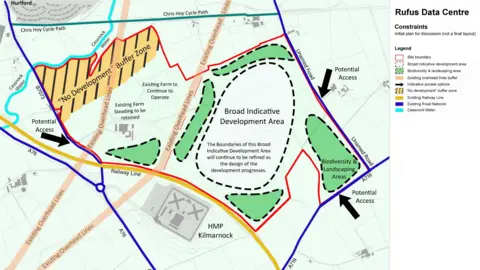
East Ayrshire, currently a sprawling expanse of unassuming farmland, stands on the precipice of a monumental transformation. Within a few years, this tranquil region could host one of the largest artificial intelligence data centres on the planet. Approximately 100 hectares (250 acres) of land near HMP Kilmarnock has been designated by energy firm ILI Group for a colossal technology hub. ILI claims the development will rival the prison in size, with the "vast majority" of the land earmarked for "biodiversity and landscaping."
Proponents herald the project as a catalyst for regional rejuvenation, promising a surge of new jobs and substantial investment that will flow directly back into the community. However, these ambitious plans have ignited fierce opposition from local residents deeply concerned about the potential environmental and social repercussions for the wider area. Some of these dissenting voices have reached out to BBC Your Voice, expressing a lack of concrete details from the firm regarding a structure that is poised to dominate the Hurlford skyline for decades to come.
This proposed development is part of a wider trend, with a significant number of data centre applications emerging across Scotland in recent years. The advocacy group Action to Protect Rural Scotland estimates that 17 such proposals are currently navigating the planning process. Last autumn, Intelligent Land Investments (ILI), a company with a proven track record in clean energy development and battery storage, unveiled its ambitious "Stoics" data cluster project, targeting sites in Ayrshire, Lanarkshire, and Fife. The company has already secured land rights and obtained permission to connect to the local electrical grid, and is now engaged in the formal planning application process with local councils. ILI has declared that this cluster will be "more than twice the size of many of today’s leading campuses," encompassing multiple buildings, an on-site electrical substation, and extensive wildflower meadows.

However, for many residents of Hurlford, the announcement of the Hurlford facility, named "Rufus," has raised a multitude of pressing questions. Lisa Beacham, a student from Hurlford, was among the first to become aware of the proposal, which ILI stresses is still in its nascent stages. Her initial inquiries quickly led her down a rabbit hole of research into the substantial water requirements for cooling the intricate network of computer chips that prevent overheating. "The site proposal indicates a power requirement of 540MW, which would necessitate millions of litres of water daily," she stated. "Water is a critical global commodity, and according to the UN, we are currently facing global water bankruptcy. Yet, we are contemplating a facility that will consume an enormous quantity, and due to the residue generated by the centre, the water used cannot be easily recirculated."
ILI disputes these concerns, asserting that Scotland’s naturally cooler climate is a significant advantage for operating data centres efficiently, a key reason behind the surge in such proposals across the nation. A spokesperson for the company explained, "Water usage for a data centre in Scotland is significantly less than in regions like the deserts of California, and cooling may only be required perhaps as little as 2% of the time. It is possible, therefore, that all the water needs for the project could be met by harvesting rainwater on-site." The company added that it is actively exploring a variety of technical solutions to address water usage at the proposed site.

Despite ILI’s assurances, some experts remain sceptical about the impact of the climate. Alex De Vries, the proprietor of the Digiconomist blog, estimates that a 540MW facility "could result in almost 6 billion litres of annual fresh water consumption" simply to generate the requisite power. He informed BBC Scotland News, "The relatively cooler climate in Scotland isn’t going to do much to mitigate this."
ILI, however, remains steadfastly optimistic about the project’s prospects. The company recently hosted the inaugural session of its three planned public consultations in the region at a Kilmarnock hotel, conveniently located near the local football club’s Rugby Park ground. The sentiment among attendees was notably divided. One couple expressed that East Ayrshire is in dire need of investment, and any initiative that could generate local employment would be warmly welcomed. Another attendee, while not enthusiastic about data centres in general, acknowledged that they represent the future and that Ayrshire could stand to benefit significantly.
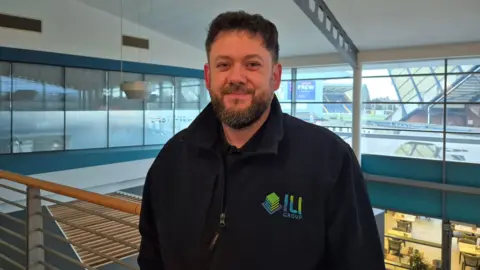
Greig Templeton, representing ILI, was present at the consultation, engaging with local residents. He articulated that the company’s vision would prove beneficial for the entire area. "ILI has a proven history of delivering community benefits," he asserted, referencing the Red John pumped hydro storage project in the Highlands, which was subsequently acquired by the Norwegian company Statkraft. "By the time we transitioned the project to them, we had already made significant commitments to the community. This included establishing a community fund, introducing a water taxi service, and developing walking trails around the area. These are tangible benefits that arose from actively listening to the needs and aspirations of the local population."
A shared sentiment among all parties involved is the critical importance of job creation in Ayrshire. Templeton estimates that the data centre could generate between 120 and 150 roles, ranging from essential security and cleaning positions to highly specialised technical jobs. Cheryl Rowland, an administrative assistant at a construction company and a resident of Hurlford, expressed her scepticism. Speaking at the consultation event, she voiced her concerns: "They are proposing something that will be a permanent fixture for 40 or 50 years. Will they facilitate educational upskilling to integrate local people into these roles, or will the jobs primarily go to individuals from outside the area?"
ILI stated its aspiration to bolster Scotland’s economy by attracting "tens of billions of pounds in private investment" through the data cluster. When questioned by BBC Scotland News, the company confirmed interest from private entities but acknowledged that no firm funding commitments have yet been secured. Rowland expressed her unease about the prospect of such a large-scale development being undertaken by a company that may not have a long-term presence.
Lisa Beacham harbours additional reservations, which Templeton attributes, in part, to the project’s preliminary stage. He added that ILI is conducting its own comprehensive assessments and consulting with key stakeholders such as Scottish Water and Sepa. An Environmental Impact Assessment (EIA) is anticipated to follow. "Our assessment is quite detailed, and while it may not be formally documented in the EIA terms yet, we are thoroughly examining all aspects," he assured.

For Beacham, however, the perceived lack of detail in a proposal destined to permanently reshape the landscape is a significant concern. As she departed the consultation event into the overcast February evening, she articulated her lingering doubts: "Do they possess the substance to deliver on what they are proposing? They lack direct experience in building data centres, and I feel they are underselling both the actual development and its profound impact on Ayrshire. Because once it’s constructed, that’s it – it will be an enduring presence for decades to come."




 Roy Suryo

 George Anjay
 Nakalama John
 Ramos Leo