
 George Anjay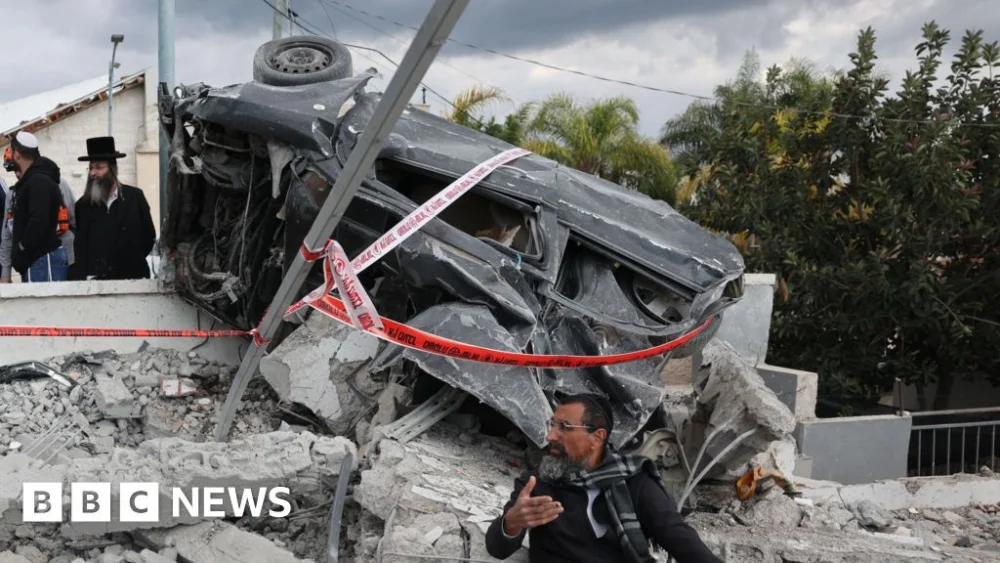
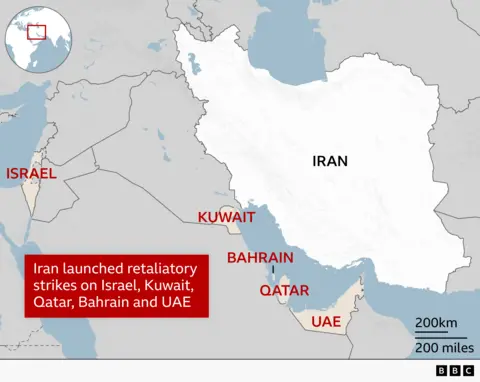
At least nine people have been killed and 27 injured in a devastating missile strike on the Israeli city of Beit Shemesh, emergency services confirmed. This brutal attack comes as Iran unleashed a barrage of missiles and drones across the Middle East in a retaliatory wave following a massive and ongoing aerial offensive against it by the United States and Israel. The escalating conflict has sent shockwaves across the region, with fatalities and injuries reported in multiple countries, and a significant disruption to global travel.
One individual lost their life in Abu Dhabi, the capital of the United Arab Emirates, and a death has also been confirmed in Kuwait. Dozens more have sustained injuries from strikes that have peppered cities and critical infrastructure across the region. In a stark illustration of the conflict’s reach, thousands of flights have been grounded to and from the Middle East, marking one of the most severe disruptions to international air travel since the onset of the Covid-19 pandemic.
Video footage circulating from the region shows scenes of devastation, with debris scattered across the floor of a damaged Dubai airport, underscoring the widespread impact of the attacks. Across the Gulf, Iran has employed a combination of ballistic missiles and unmanned aerial vehicles to launch large-scale assaults on US allies and assets. This aggressive response follows the reported death of Iran’s Supreme Leader in the intensified US-Israel air offensive, which commenced on Saturday morning.
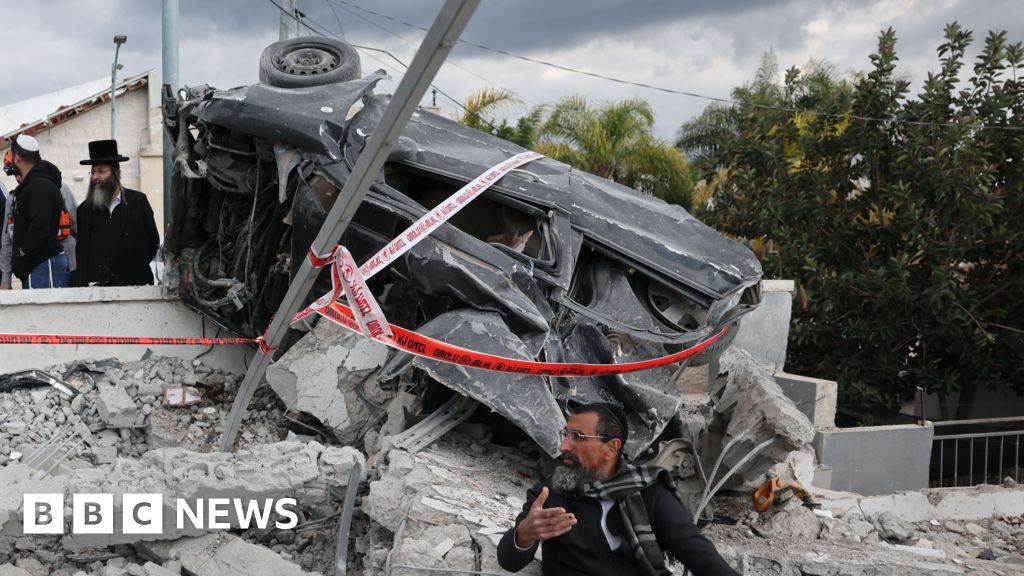
The Israel Defense Forces (IDF) explicitly accused Iran of directly firing missiles toward Beit Shemesh, a city situated west of Jerusalem, stating that the attack resulted in the "killing of innocent civilians." Officials have reported that a building where civilians were seeking shelter from the aerial bombardments was directly hit. Emergency responders and dozens of rescuers were actively engaged at the scene of the attack, diligently searching for individuals feared to be trapped beneath the rubble. Magen David Adom paramedic Dror Eini described the harrowing scene, stating, "We saw destroyed homes, flames and smoke rising from residential buildings, wrecked cars, and significant chaos at the scene."
Several Gulf nations, including Qatar, Bahrain, Jordan, and Kuwait – all of which host significant US military bases – reported the interception of missiles fired in their direction. However, falling debris from these interceptions appears to have caused widespread damage. Kuwait’s Health Ministry announced that one person had been killed and an additional 32 individuals, all identified as foreign nationals, had been injured in strikes that began on Saturday.
Authorities in Abu Dhabi confirmed that a drone targeting Zayed International Airport (AUH) was intercepted, leading to "falling debris" that tragically killed one person and injured seven others. Dubai International Airport (DXB), recognized as the world’s busiest airport by passenger traffic, sustained damage in an "incident" that resulted in injuries to four staff members, according to official statements which did not provide further specific details.
Becky Williams, a resident of Dubai, shared her experience, recounting, "I probably saw about 15 missiles being launched from behind my house yesterday," referring to the defensive measures undertaken by UAE authorities to intercept incoming Iranian projectiles. She added, "You can hear the interceptions happening in the air." Despite the alarming events, she and her family expressed a sense of calm, conveying their trust in the UAE military’s ability to defend its airspace and their belief that the situation would "all blow over soon."
On the Palm Jumeirah, Dubai’s iconic man-made archipelago, the five-star Fairmont The Palm hotel was struck by a significant explosion on Saturday afternoon. Verified video footage captured a raging fire with plumes of black smoke ascending into the sky. Authorities also confirmed that debris from an intercepted drone caused a "minor fire" on the outer facade of the prestigious Burj Al Arab hotel. Further compounding the impact, another "aerial interception" in Dubai resulted in debris causing a fire in a berth at the Jebel Ali deep sea port, the ninth busiest port globally.
Another Dubai resident, a 34-year-old who wished to remain anonymous, offered a poignant perspective: "What we’ve lived through over the past 24 hours is a fraction of what others have been living through in areas of conflict so it puts things in perspective." In Bahrain, the Ministry of Interior reported damage to the airport after it was targeted by a drone. Unconfirmed reports of ongoing attacks on Sunday morning further heightened regional tensions.
On Saturday, Iran’s Islamic Revolutionary Guard Corps (IRGC) claimed responsibility for striking the headquarters of the US Navy’s Fifth Fleet, located in Bahrain’s capital, Manama. Visual evidence from the vicinity of the base revealed massive plumes of black smoke rising into the atmosphere. Oman’s state news agency reported that the Duqm commercial port was targeted by two drones, resulting in the injury of one worker. Oman, which has historically served as a key mediator in US-Iran negotiations, had thus far been spared direct Iranian attacks.
In a press conference held overnight, Qatari officials disclosed that Iran had launched a staggering 65 missiles and 12 drones on Saturday. While the majority of these were reportedly intercepted, there has been some collateral damage, and eight individuals sustained injuries from falling debris. The Gulf states had, in recent years, made concerted efforts to de-escalate tensions with Iran. They had actively pursued diplomatic solutions to the crisis and had refused to permit US military operations from bases within their territories.
However, these diplomatic endeavors proved insufficient to shield them from direct military strikes on their soil. The violent death of Iran’s Supreme Leader has cast a long shadow of uncertainty, not only over the future of Iran but also over the stability and security of the entire region.
Additional reporting by Alice Cuddy.




 Roy Suryo

 Nakalama John
 atisusanti
 Ramos Leo
