
 George Anjay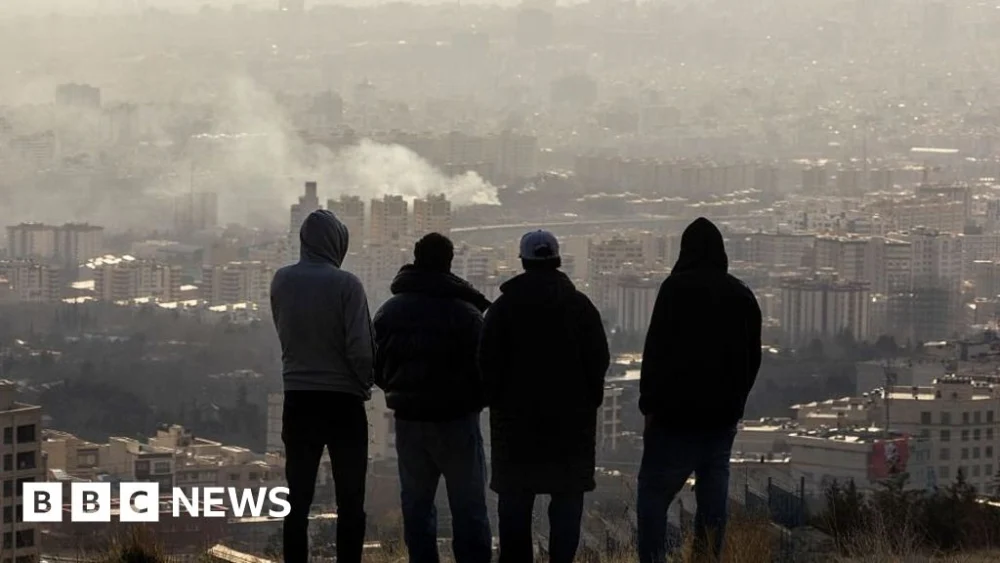
The third day of the escalating US-Israeli war with Iran was marked by a significant intensification of hostilities, characterized by a relentless barrage of violent drone and air strikes exchanged between the opposing forces. The geopolitical landscape became increasingly volatile as the conflict, initiated by a series of provocated attacks and retaliatory measures, broadened its geographical scope and impact. In a day of rapid and alarming developments, the United States launched targeted strikes deep within Iranian territory, the repercussions of which were starkly visible on the streets, painting a grim picture of destruction and devastation. Simultaneously, Israel, in a calculated move to neutralize a significant threat, unleashed a series of air strikes against targets in Lebanon, specifically focusing on locations believed to be strongholds of Hezbollah, the powerful militant group with deep ties to Iran. The ripple effects of this widening conflict were further underscored by a tragic incident in Kuwait, where three US fighter jets inexplicably crashed, an event the US military attributed to apparent friendly fire, raising serious questions about operational coordination and potential miscalculations amidst the heightened tensions. The implications of such an incident, whether accidental or a consequence of the complex operational environment, could have far-reaching consequences for regional stability and the perception of US military capabilities. Adding another layer of complexity and concern, a British Royal Air Force (RAF) base in Cyprus was struck by an Iranian drone, forcing an immediate evacuation and highlighting the vulnerability of allied infrastructure to Iranian retaliatory actions. This direct attack on a NATO member’s territory signals a dangerous escalation, potentially drawing further international attention and involvement.
The initial impetus for this war, while debated in its precise origins, has been widely attributed to a series of actions that pushed the already strained relationship between Iran and the US-Israeli bloc to a breaking point. Analysts suggest that prior to the current hostilities, a period of heightened proxy warfare and covert operations had been underway, with both sides accusing the other of destabilizing actions in the region. The current direct confrontation, however, represents a significant departure from these more clandestine engagements, indicating a strategic shift in approach and a willingness to engage in overt military conflict. The US, in its strikes within Iran, reportedly targeted key military installations, including missile production facilities and command and control centers, aiming to degrade Iran’s offensive capabilities. Satellite imagery and initial reports from the ground, though difficult to independently verify amidst the ongoing conflict, depicted significant damage to urban infrastructure in some Iranian cities, raising concerns about civilian casualties. The scale of the devastation, as described by nascent reports, suggests a deliberate targeting of areas that could cripple Iran’s war-making potential.
Israel’s strikes in Lebanon were presented as a necessary measure to dismantle Hezbollah’s operational capacity, a group that has been a persistent security concern for Israel and a key proxy for Iran. The targeting of Hezbollah positions was intended to disrupt its ability to launch attacks against Israel and to degrade its overall military strength. The success and full extent of these strikes remain under assessment, with both sides offering conflicting accounts of the damage inflicted and the casualties sustained. The involvement of Hezbollah in a direct confrontation with Israel, even if through Iranian-backed actions, further complicates the regional dynamics, as it re-ignites long-standing tensions and raises the specter of a wider conflict involving multiple non-state actors.
The incident in Kuwait, involving the crash of three US fighter jets, is a particularly troubling development. While officially attributed to friendly fire, the specifics of how such a catastrophic event occurred remain unclear. In the chaotic environment of active military operations, the risk of misidentification and accidental engagement is ever-present, but the loss of three advanced aircraft and potentially the lives of their pilots underscores the immense pressure and the complex, high-stakes environment in which US forces are operating. This incident could lead to a thorough review of rules of engagement, air traffic control protocols, and inter-service coordination, especially as the conflict expands. The psychological impact on military personnel, facing constant threats and the possibility of friendly fire, cannot be overstated.
The drone attack on the British RAF base in Cyprus is a stark reminder of Iran’s reach and its willingness to strike at Western interests beyond its immediate borders. Cyprus, strategically located in the Eastern Mediterranean, hosts a significant British military presence, and the attack on its base signifies a deliberate act of aggression aimed at projecting power and potentially intimidating allies of the US and Israel. The evacuation of personnel from the base highlights the immediate security concerns and the potential for further attacks. This event could prompt a reassessment of security measures at allied bases across the region and could lead to increased diplomatic pressure on Iran, potentially drawing in more international actors. The British government has condemned the attack and is reportedly reviewing its response options.
The widening of the conflict, as indicated by the events of this third day, suggests a dangerous escalation that goes beyond a bilateral confrontation between Iran and the US-Israeli bloc. The involvement of proxies, the potential for miscalculation, and the direct targeting of allied nations all point towards a scenario that could spiral out of control. The international community is watching with growing alarm, with calls for de-escalation and diplomatic solutions becoming more urgent. However, the current trajectory suggests that both sides are committed to their current military objectives, making a swift resolution unlikely. The economic implications of such a prolonged conflict are also significant, with potential disruptions to global energy markets and trade routes. The long-term consequences for regional stability and the global balance of power remain uncertain, but the events of the third day of this war have undeniably pushed the world into a more precarious geopolitical situation. The full extent of the damage, the casualties, and the strategic objectives achieved or thwarted by the day’s actions are still emerging, but it is clear that this conflict has entered a critical and dangerous phase. The report linked, detailing how the conflict widened today, further elaborates on the interconnectedness of these events and the expanding web of military actions and their consequences.




 Roy Suryo

 Nakalama John
 atisusanti
 Ramos Leo
