atisusanti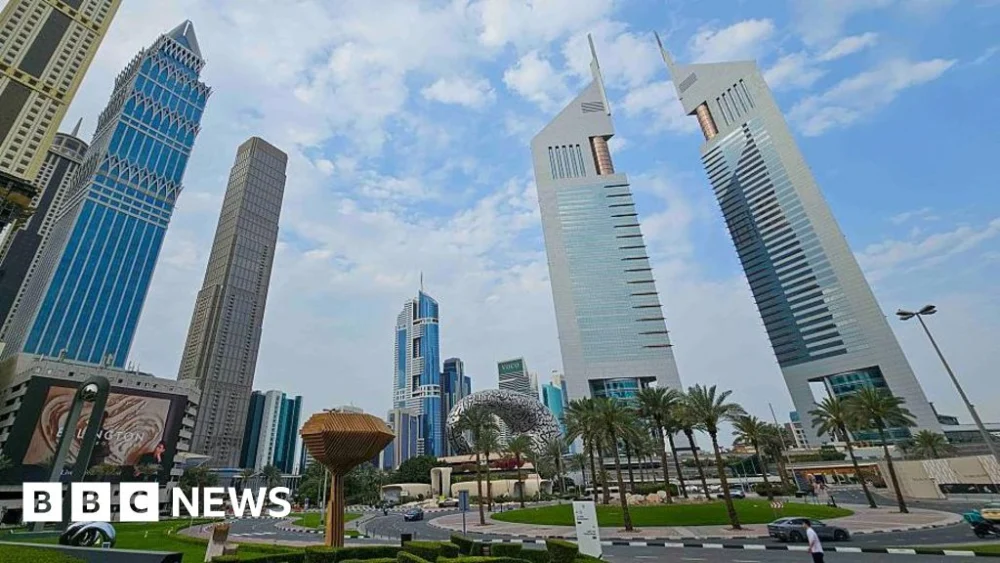
Some of the world’s largest technology conglomerates are enacting emergency protocols and reassessing operational footprints across the Middle East as escalating tensions between the United States and Iran, and the ensuing regional conflict, cast a shadow over their extensive investments and employee safety. Giants like Amazon, Google, Snap, and Nvidia are among those implementing heightened security measures to protect thousands of their workers situated throughout the volatile region. The conflict has also ignited concerns about potential global tech shortages, though leading chip manufacturer Nvidia has publicly stated it is "not currently experiencing any supply chain disruptions."
Francisco Jeronimo, a leading analyst specializing in the Middle Eastern and European technology markets for the data firm IDC, characterized the escalation as a significant "red flag" for technology companies that have collectively committed "billions of dollars" to establishing and expanding their presence in the region. Since the initiation of US-Israeli military actions on Saturday, Iran has retaliated with a series of strikes targeting US bases and allied infrastructure across the Middle East.
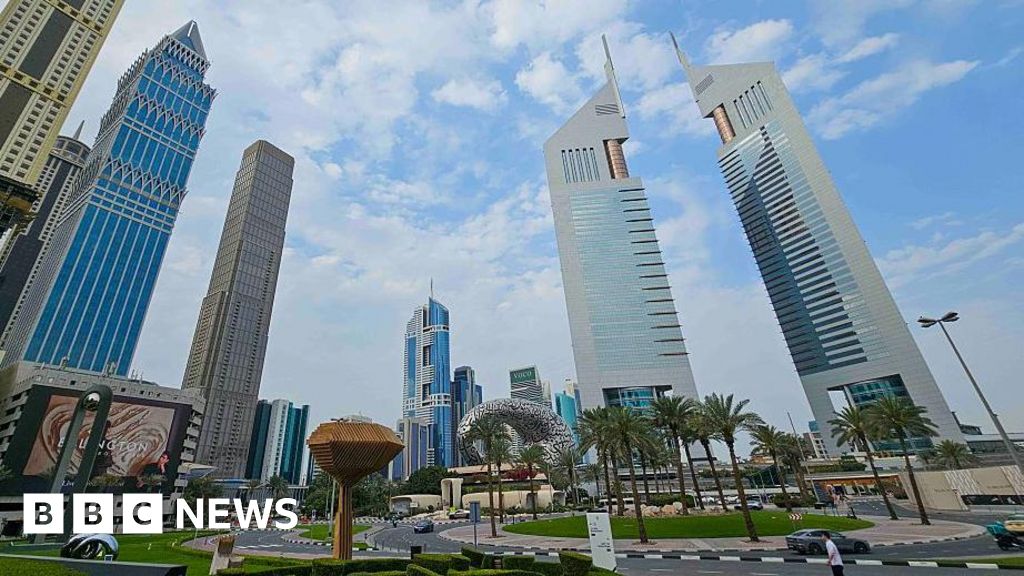
Nvidia, renowned for its production of high-performance computer chips crucial for artificial intelligence applications, has acknowledged it is closely monitoring its operational presence but has declined to confirm reports, including those from CNBC, suggesting a temporary closure of its Dubai office. The company, in a statement, emphasized its commitment to "managing our supply chain to address changing conditions" and underscored that its "primary concern is for the safety of our employees, their families, and all those affected during this difficult time."
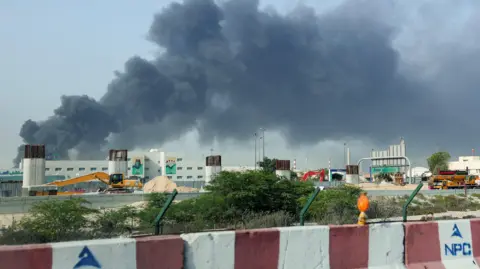
Amazon, another tech behemoth, has commenced a comprehensive assessment of its regional facilities, which encompass a wide array of operations including corporate offices, extensive fulfillment centers, numerous delivery stations, and rapid commerce outlets. A spokesperson for Amazon confirmed that the company is "adjusting operations in response to the evolving situation, including temporary pauses where necessary," reaffirming that the "safety of employees and partners is the company’s top priority." This proactive stance follows incidents reported on Sunday morning where cloud computing services experienced disruptions. Amazon Web Services (AWS) reported that "objects" had impacted a data center in the UAE, resulting in "sparks and fire." Further compounding these concerns, AWS also stated on Sunday that it was investigating power and connectivity issues at a facility in Bahrain. In response to the deteriorating security environment, Amazon has instructed its corporate workforce in the region to transition to remote work arrangements, a precautionary measure also adopted by the social media company Snap.
Snap has communicated to the BBC that it is actively advising its staff to adhere strictly to guidance provided by both local authorities and their respective foreign embassies. This includes following specific instructions related to shelter-in-place orders and recommended departure routes. Google has similarly activated its security and safety protocols and maintains ongoing communication with its teams across the Middle East. In line with its industry peers, the search engine giant is advising its personnel to rely on official government channels for information as the conflict intensifies.
For the time being, the major players in the tech industry appear to be adopting a "wait and see" approach, closely observing the unfolding geopolitical landscape. Francisco Jeronimo suggests that while it is probable that companies will "slow or temporarily pause new investments" as they gauge the trajectory of the situation, the strategic importance of the Middle East to global technology firms remains undiminished, making a complete withdrawal unlikely. "The key question for the industry is not whether the region matters, but whether stability can be maintained to support the scale of investment that has been planned," Jeronimo stated, highlighting the critical need for a secure operating environment to sustain future growth and development in the region.
The implications of the US-Iran conflict extend beyond immediate operational concerns, potentially impacting global supply chains that are increasingly reliant on the Middle East’s logistical infrastructure. While Nvidia has publicly downplayed immediate supply chain disruptions, the broader tech sector faces uncertainties. The region’s role as a hub for digital infrastructure, cloud computing, and increasingly, advanced manufacturing, means that any prolonged instability could have far-reaching consequences. Companies are likely scrutinizing their reliance on regional data centers, manufacturing facilities, and transit routes for critical components. The recent incidents at Amazon’s facilities in the UAE and Bahrain serve as stark reminders of the tangible risks posed by regional conflicts to the physical infrastructure of the digital economy.
Furthermore, the human element of this crisis cannot be overstated. The safety and well-being of thousands of tech employees and their families are paramount. Companies are not only implementing security protocols but are also providing support services, including travel advisories, emergency contact channels, and psychological support. The decision to mandate remote work for corporate staff is a direct manifestation of this concern, prioritizing employee safety above all else. However, for roles that require physical presence, such as those in fulfillment centers and data centers, the challenges are more acute, necessitating stringent on-site security measures and contingency plans.
The geopolitical ramifications also extend to the long-term investment strategies of tech companies. The Middle East, particularly the Gulf states, has actively courted foreign investment in technology, aiming to diversify their economies and become global hubs for innovation. Initiatives like Saudi Arabia’s Vision 2030 and the UAE’s smart city ambitions have attracted significant capital and talent. However, a sustained period of conflict or heightened regional instability could deter future investments and potentially lead to a reassessment of existing commitments. The perception of risk is a critical factor in capital allocation, and the current environment undoubtedly increases that risk premium.
Industry analysts are closely watching how these companies navigate the complex interplay of geopolitical risk, operational continuity, and employee welfare. The ability of tech giants to adapt and maintain their operations in such challenging circumstances will be a testament to their crisis management capabilities and their long-term strategic vision for the region. The current situation underscores the interconnectedness of global technology and the fragility of its infrastructure in the face of geopolitical turmoil. The coming weeks and months will be crucial in determining the immediate impact on the tech sector and its future trajectory in the Middle East. The emphasis remains on de-escalation and the restoration of stability, which are prerequisites for continued technological advancement and economic prosperity in this strategically vital region.



 Ramos Leo
 Roy Suryo
 Nana Banana