
 George Anjay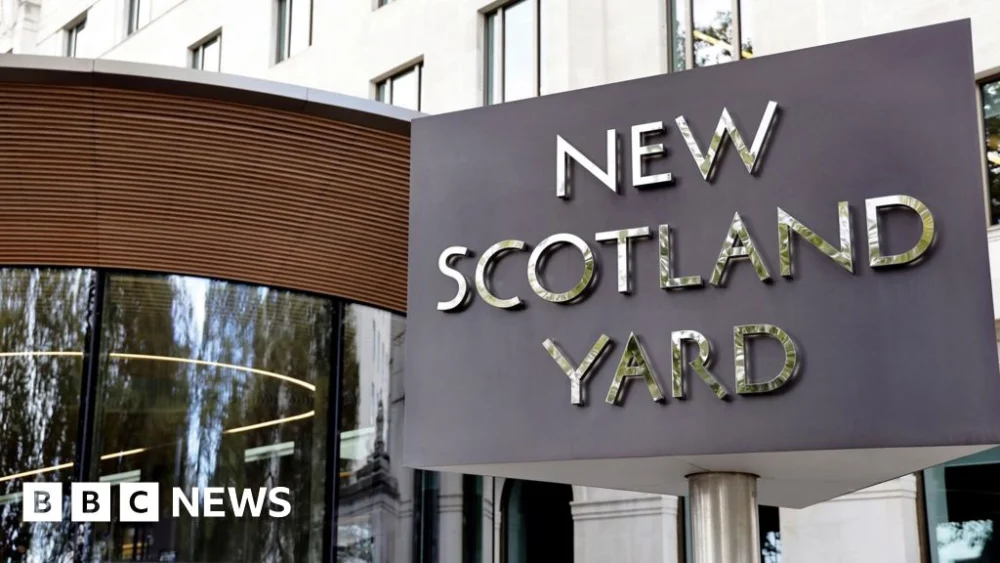
Scottish Labour MP Joani Reid has firmly stated she has never witnessed any behaviour from her husband that would lead her to suspect he has "broken any law," a declaration made in the wake of significant arrests on suspicion of espionage for China. The Metropolitan Police confirmed the detention of three men, aged 39, 43, and 68, in coordinated operations across London and Wales. These arrests are part of a complex counter-terrorism policing investigation operating under the recently enacted National Security Act. Crucially, authorities have stressed that there is "no imminent or direct threat to the public," with all three individuals currently held in custody.
Ms. Reid, the Member of Parliament for East Kilbride and Strathaven, has been proactive in distancing herself from her husband David Taylor’s business dealings, asserting, "I am not part of" his professional activities. She has also made it unequivocally clear that neither she nor their children are subjects of this investigation, pleading with media outlets to refrain from treating them as such and to "respect my children’s privacy."
Further elaborating on her own engagement with China-related matters, Ms. Reid has highlighted her complete lack of direct involvement. She stated emphatically that she has "never been to China nor had she ever spoken on any China-related matters in the House of Commons." Her parliamentary record, she claims, shows no instances of asking questions concerning China, nor has she, to her knowledge, engaged with Chinese businesses, diplomats, or government employees during her tenure as an MP. She also stated that she has not raised any concerns with ministers or other officials on behalf of, even coincidentally, Chinese interests. Her political identity, she stressed, is that of a "social democrat who believes in freedom of expression, free trade unions and free elections," and she categorically denies being "any sort of admirer or apologist for the Chinese Communist party’s dictatorship."
The specific details released by the Metropolitan Police regarding the arrests paint a clearer picture of the operation. The 39-year-old suspect was apprehended in London, while the 68-year-old was detained in Powys, Wales. The third individual, aged 43, was arrested in Pontyclun, also in Wales. The charges levelled against these men fall under Section 3 of the National Security Act, specifically accusing them of assisting a foreign intelligence service. This piece of legislation, introduced in 2023, is designed to target individuals suspected of acting against the United Kingdom’s national interests. All three men are being held under the Police and Criminal Evidence Act, awaiting further proceedings.
The scope of this investigation extends beyond the arrests themselves, with searches conducted in multiple locations, including London, East Kilbride, and Cardiff. These operations were carried out with the support of counter-terrorism police units in both Wales and Scotland. A spokesperson for Police Scotland confirmed their involvement, stating, "On Wednesday, 4 March, we carried out a search of an address in East Kilbride on behalf of an investigation being led by Counter Terrorism Policing London."
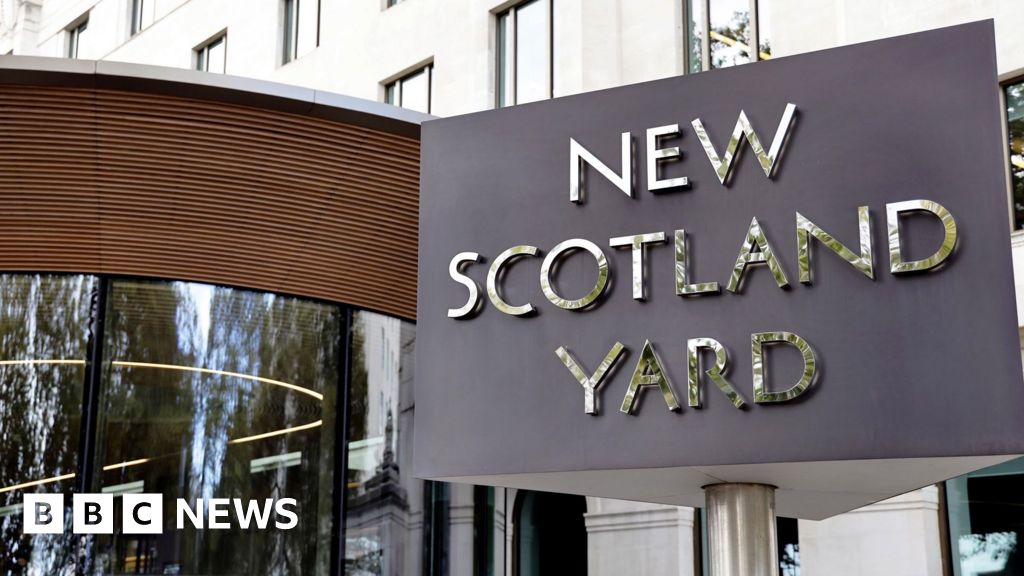
Commander Helen Flanagan, who heads Counter Terrorism Policing London, provided context on the escalating nature of national security threats. She indicated that the force has observed a "significant increase" in national security casework in recent years, underscoring their commitment to "disrupt malign activity where we suspect it." This proactive stance reflects a broader government strategy to address foreign interference.
In Parliament, Security Minister Tom Tugendhat responded to the revelations, emphasizing the government’s unwavering resolve to confront foreign interference. He asserted that should Chinese interference in UK sovereign affairs be definitively proven, "severe consequences" would be implemented. He further assured MPs that the government "stands resolute in our resolve to counter foreign interference activity targeting the UK from any state actor." In a diplomatic move, British officials had formally informed their Chinese counterparts in both London and Beijing about the allegations.
Despite the gravity of the current situation, Mr. Tugendhat also acknowledged the pragmatic necessity of maintaining international relations. He conceded that it would be "naive" to suggest that the UK should entirely sever its "functional working relationship with China," highlighting the delicate balance between national security and international diplomacy.
The opposition’s response was articulated by Alex Burghart, the shadow cabinet office minister. He echoed the sentiment of firm opposition to such threats, stating in the Commons, "Unless the United Kingdom stands up to these threats, our country will continue to be treated with disdain." This bipartisan approach underscores the perceived seriousness of the alleged espionage and the need for a unified front in defending national interests.
The arrests mark a significant development in the ongoing efforts to safeguard the UK against foreign espionage and interference. The National Security Act provides a more robust legal framework for prosecuting such activities, signalling a stronger deterrent against states allegedly seeking to undermine British sovereignty. The investigation is ongoing, and further details are expected to emerge as the inquiries progress. The focus remains on gathering evidence and ensuring that any individuals found to have acted against the UK’s interests face appropriate legal repercussions. The case also brings to the fore the complex challenges faced by public figures and their families when their spouses or partners become embroiled in national security investigations, underscoring the importance of privacy and due process. The reiteration of Ms. Reid’s personal detachment from her husband’s alleged activities serves as a crucial distinction in public perception and the legal proceedings. The interconnectedness of global politics and domestic security continues to be a defining feature of the contemporary geopolitical landscape, demanding constant vigilance and a robust response from national security agencies. The ongoing dialogue between the UK and China regarding these allegations will likely shape diplomatic relations in the short to medium term.



 Roy Suryo

 Nakalama John
 atisusanti
 Ramos Leo
