atisusanti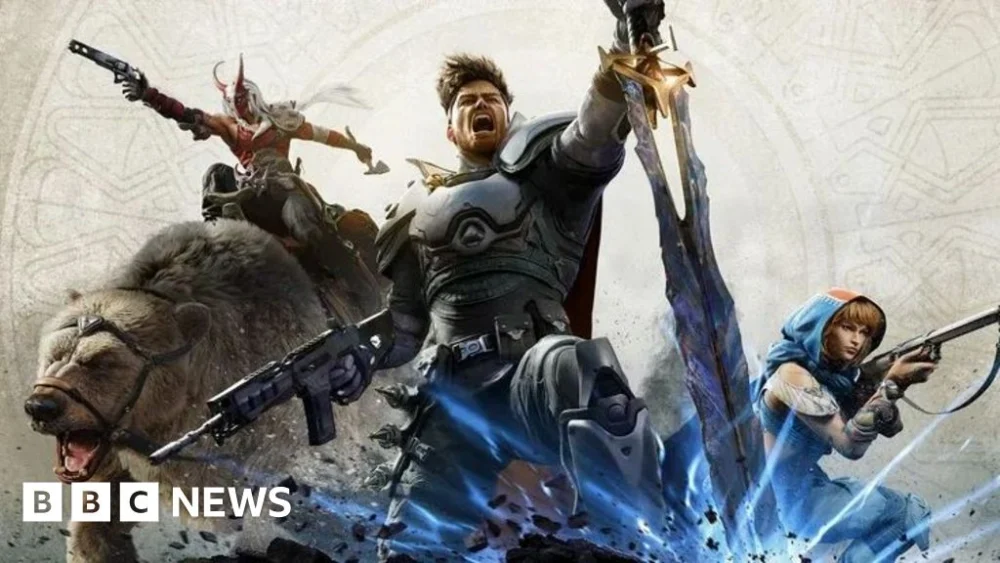
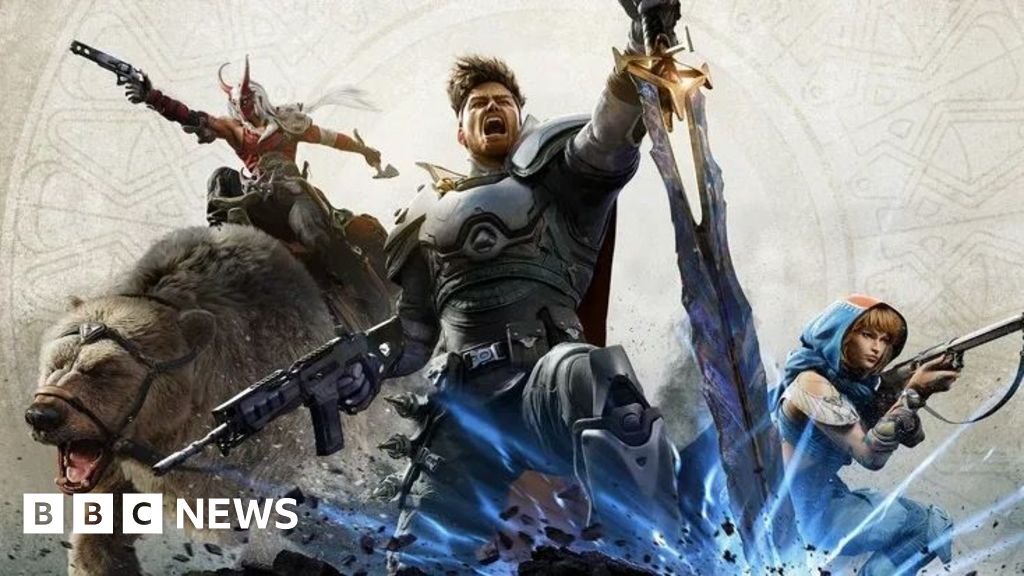
In a swift and surprising turn of events that has sent ripples of disappointment through the gaming community, the ambitious multiplayer shooter Highguard is set to permanently cease operations mere weeks after its highly anticipated launch. Developers Wildlight Entertainment, a studio comprised of seasoned industry veterans who have contributed to the creation of blockbuster titles such as Call of Duty, Apex Legends, and Titanfall, announced on March 4th that the game’s servers will be shut down on March 12th. The abrupt decision stems from the game’s failure to cultivate a "sustainable player base to support the game long term," a stark reality that has overshadowed the promising pedigree of its creators.
The initial unveiling of Highguard at The Game Awards in December generated considerable buzz. Positioned within an end-of-show preview slot, a traditionally reserved space for titles poised to make a significant impact, the game was presented with an air of confident expectation. However, even in its early stages, a segment of the gaming public expressed reservations, with some players finding the promotional trailer lacking in clarity regarding the core gameplay mechanics. This early uncertainty, coupled with the game’s availability across PC, PlayStation, and Xbox platforms, did not translate into the robust player engagement that Wildlight Entertainment had evidently envisioned.
The stark reality of Highguard’s player numbers became evident shortly after its release on January 26th. Data compiled by the reputable tracking website SteamDB revealed that the game initially attracted just under 100,000 players on PC. Simultaneously, its presence on the popular streaming platform Twitch garnered approximately 380,000 viewers, suggesting a surge of initial interest. However, this momentum proved to be short-lived. The subsequent weeks saw a precipitous decline in player engagement. By February, the day Wildlight Entertainment publicly acknowledged the struggles and announced layoffs, Highguard was struggling to maintain a concurrent player count of merely 3,600 on PC. The day the final shutdown was announced, the game saw a peak of only 460 concurrent users, a figure that underscores the severity of the player base’s erosion.
The decision to prematurely end Highguard’s journey has elicited a mixed, yet predominantly disappointed, response from the player base. Many fans have voiced their sadness and confusion, particularly given previous statements from the development team that indicated a comprehensive roadmap of updates planned for at least a year post-launch. This apparent shift in strategy has led to questions about the internal decision-making process and the underlying factors that contributed to such a rapid unravelling of the game’s future. The contrast between the initial grand pronouncements and the swift termination of service has left a lingering sense of anticlimax for those who had invested their time and hopes in Highguard.
In their official statement, Wildlight Entertainment made a poignant appeal to their remaining players. They encouraged the community to "jump in with us one more time to show your support and get those final great matches in while we still can." This call to action serves as a final plea for engagement, a desire to experience the game at its fullest, even in its twilight hours. The developers concluded their message with a heartfelt expression of gratitude: "From all of us at Wildlight, thank you for playing, for supporting us, and for being part of Highguard’s story." This sentiment, while gracious, does little to assuage the disappointment felt by many who had anticipated a much longer and more successful lifespan for the game.
The trajectory of Highguard serves as a cautionary tale in the fiercely competitive landscape of the video game industry. While a talented development team and a strong initial concept can generate considerable excitement, the ability to capture and retain a dedicated player base is paramount to long-term success. The free-to-play model, while offering accessibility, places immense pressure on developers to constantly engage players and demonstrate ongoing value. In Highguard’s case, the initial allure, however significant, failed to translate into sustained engagement, leading to its premature demise. The game’s brief existence, marked by high expectations and a swift conclusion, will undoubtedly be a subject of discussion and analysis within the industry for some time to come. The development team’s background in crafting some of the most successful shooter titles in recent memory only amplifies the enigma surrounding Highguard’s rapid downfall, leaving many to ponder what specific elements contributed to its inability to find its footing in a crowded market. The closure of its servers on March 12th marks a definitive end to this chapter, leaving behind a legacy of unfulfilled potential and a stark reminder of the volatile nature of the modern gaming world.



 Nana Banana
 Ramos Leo
 Roy Suryo