
 atisusanti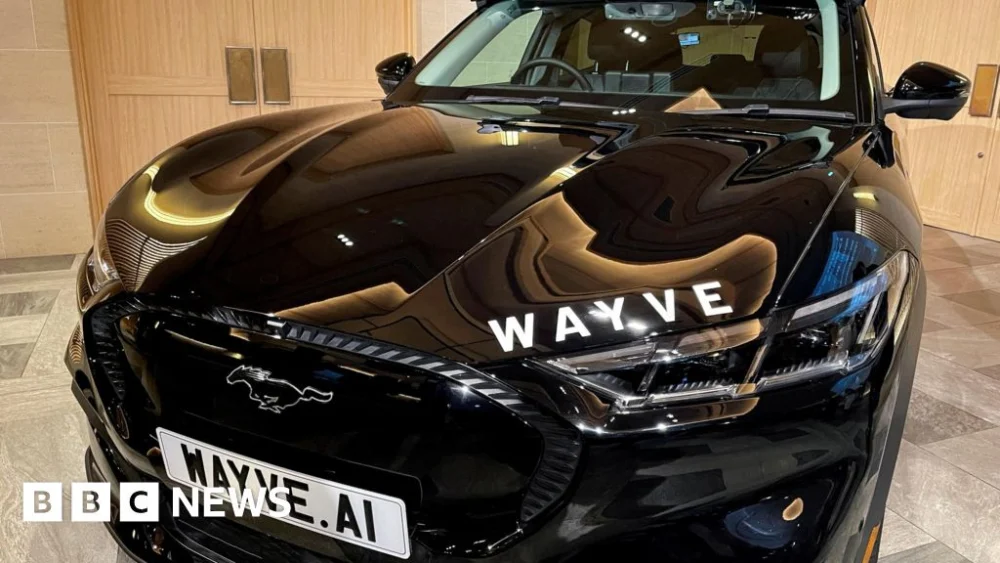
British self-driving startup Wayve has confidently declared that its cutting-edge technology will enable autonomous vehicles to navigate "really anywhere," even on the UK’s notoriously pothole-ridden roads. This bold assertion comes on the heels of the company securing a significant funding boost of an additional $1.5 billion (£1.1 billion) from a consortium of investors, including tech giants Microsoft and chip innovator Nvidia. This substantial investment marks one of the largest funding rounds ever achieved by a British company, underscoring the immense faith investors have in Wayve’s vision.
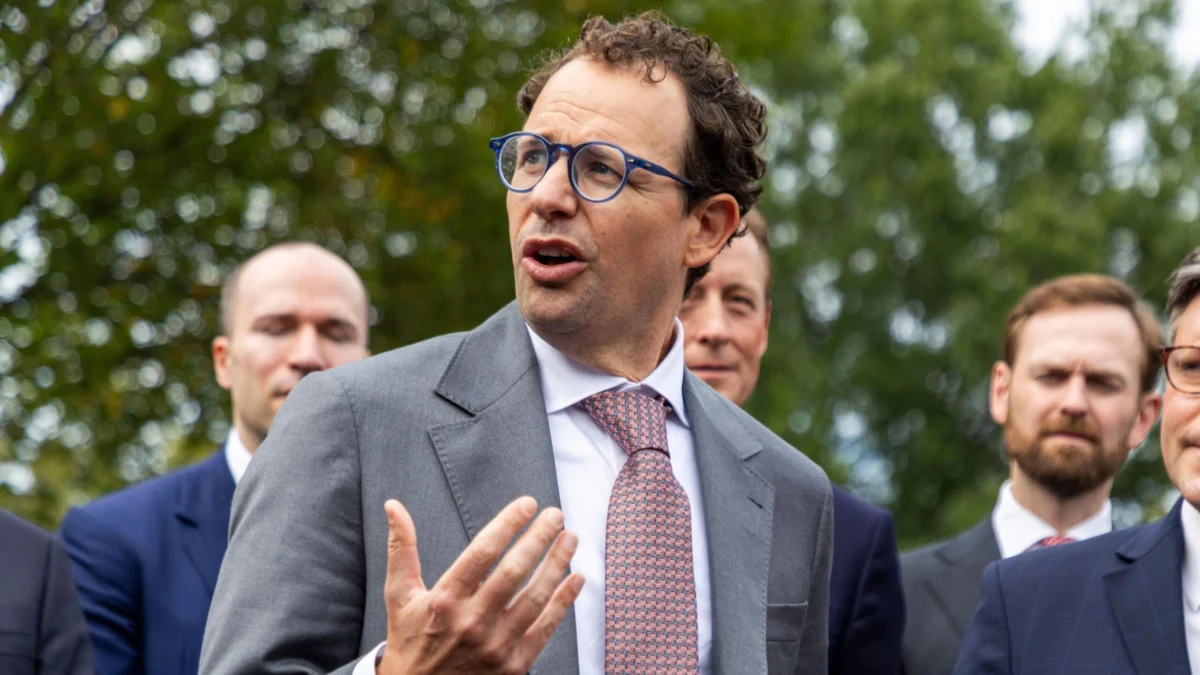
The substantial capital infusion positions Wayve for a pivotal moment as it prepares to launch its robotaxi service in London later this year, a venture undertaken in partnership with ride-sharing behemoth Uber. The company’s chief executive, Alex Kendall, expressed strong optimism that autonomous vehicles will soon become a common sight on roads in numerous other locations worldwide. Speaking on BBC Radio 4’s Today programme, Kendall elaborated on Wayve’s extensive testing, stating, "We’ve taken it throughout Wales, Scotland, rural parts of England and the complexities of driving it through central London."
When directly questioned about potential challenges posed by road hazards such as potholes, Kendall was unequivocal. "Not at all," he replied, emphasizing the advanced capabilities of their AI. "The AI has the intelligence to drive on roads, the same ones as you and I, just drive within the environment that we have today." This statement highlights Wayve’s departure from traditional mapping-dependent autonomous systems, instead focusing on AI that learns and adapts to its surroundings in real-time.
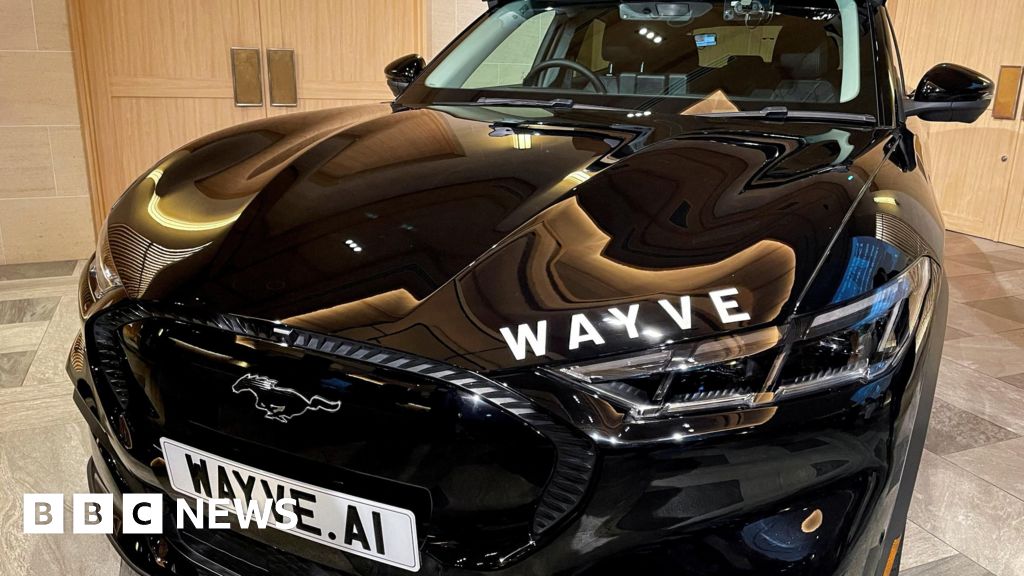
Founded in 2017, Wayve has pioneered an AI-driven approach to autonomous driving. Unlike systems that rely on meticulously pre-mapped routes, Wayve’s technology learns from the environment by processing vast amounts of data gathered from an array of sensors. This dynamic learning capability allows the vehicles to navigate unpredictable and complex road conditions, a crucial advantage in diverse urban and rural landscapes.
As a prominent British tech company, Wayve stands out as a leader in a highly competitive global market. However, it faces formidable competition from established players such as Waymo, the self-driving technology subsidiary of Google’s parent company, Alphabet. Another significant competitor, US-based Lyft, is also slated to enter the UK market, partnering with Chinese AI firm Baidu to deploy its autonomous vehicles.
Kendall, who co-founded and leads Wayve, drew a distinction between the driving environments, noting that training an AI to navigate London presents a unique set of challenges compared to the more structured road networks often found in the United States. "The training an AI to drive in London was a ‘different driving experience than the grid-like streets and wide boulevards you get in the United States’," he observed, alluding to the trial operations of autonomous vehicles that have been ongoing in the US for some time. He also acknowledged that China has been permitting autonomous vehicle operations in select cities for several years, indicating a global trend towards the adoption of this technology.
Looking ahead, Kendall expressed a strong conviction that widespread adoption of autonomous vehicles is inevitable. He predicted, "All cars will be autonomous in the future," painting a picture of a future transportation landscape transformed by self-driving technology.
The recent funding round has propelled Wayve’s valuation to approximately $8.6 billion (£6.4 billion), a testament to its rapid growth and market potential. Rachel Harris, a Supervising Associate at Simmons & Simmons, commented on the significance of this valuation, stating that it "showed investors believe autonomous driving technology is reaching commercial maturity."
Despite the optimistic outlook, Harris also pointed to potential hurdles that the industry must overcome. "The critical question is whether regulation can keep pace," she remarked, highlighting the ongoing challenge of aligning legal frameworks with the rapid advancements in autonomous vehicle technology. However, she concluded with a hopeful note, suggesting that if these regulatory challenges can be successfully navigated, "the UK is well positioned to be not just a centre of autonomous vehicle innovation, but a global leader in regulation." This suggests that the UK government’s proactive stance on autonomous vehicle development and regulation could pave the way for the nation to become a hub for this transformative technology. The investment in Wayve, coupled with its ambitious plans for London, signals a significant step forward in the journey towards a future where self-driving cars are not just a concept but a tangible reality, capable of handling the complexities of everyday roads.


 George Anjay
 Nakalama John
 Ramos Leo
 Roy Suryo
 Nana Banana