atisusanti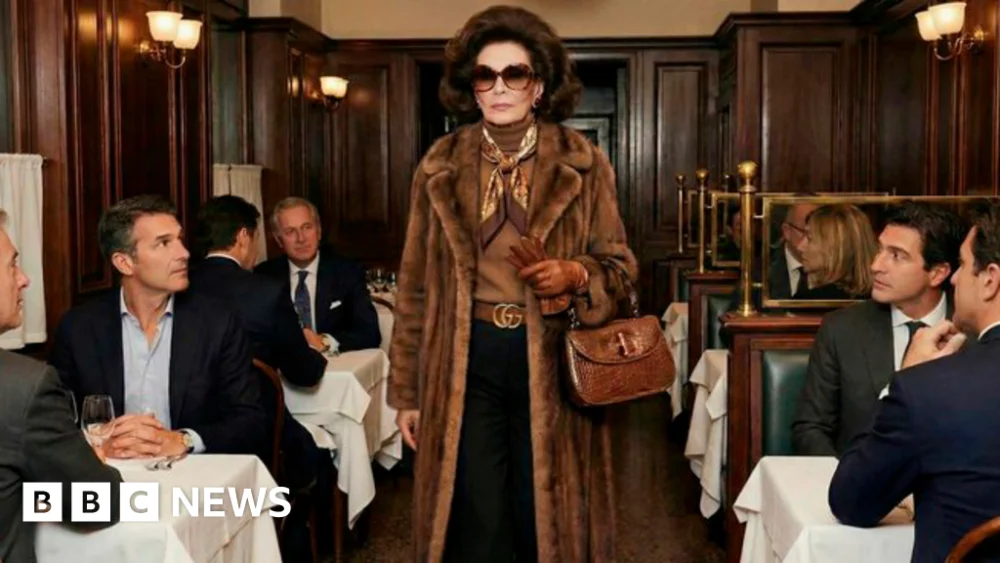
Gucci is facing a significant backlash for its recent use of artificial intelligence (AI) to generate promotional images for its upcoming show at Milan Fashion Week. The luxury fashion house, renowned for its commitment to "creativity and Italian craftsmanship," has drawn sharp criticism from social media users and industry observers who question the ethical and aesthetic implications of replacing human models and photographers with AI-generated visuals. The controversy highlights a growing debate within the fashion world about the role of emerging technologies in creative industries and their potential impact on traditional artistry and human talent.
The controversial images, posted across Gucci’s social media platforms, have ignited a firestorm of commentary. Critics have pointed to a perceived disconnect between Gucci’s brand ethos and its embrace of AI. One particularly poignant critique lamented the absence of "a real human Milanese grandmother to wear an outfit from 1976," in reference to an AI-generated image depicting a glamorous older Italian woman adorned in a classic Gucci ensemble. This sentiment underscores a broader concern that AI-generated imagery, while technically sophisticated, may lack the authentic human touch, emotional depth, and cultural resonance that have long been hallmarks of high fashion marketing.
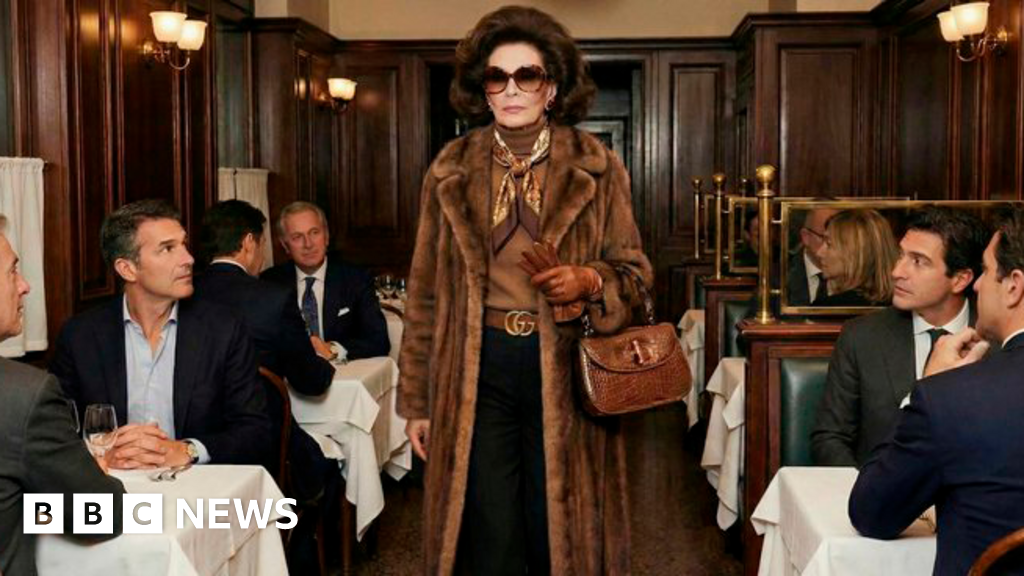
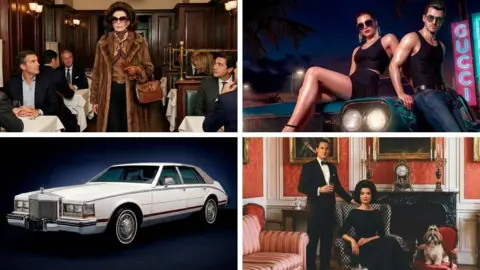
While Gucci has clearly labelled the visuals as "created with AI," this transparency has done little to quell the discontent. Many have derided the output as "AI slop," a term used to describe the proliferation of often low-quality, generic AI-generated content flooding online spaces. This labelling suggests a perception that the images, despite their association with a prestigious brand, fail to meet the high standards expected of luxury fashion marketing, instead contributing to a perceived degradation of online visual culture. Furthermore, questions have been raised about the financial motivations behind Gucci’s decision to employ AI for its marketing campaigns. For a high-fashion company that traditionally invests heavily in elaborate photoshoots and collaborations with renowned artists, the adoption of cost-cutting AI technology has led some to question the brand’s priorities and its commitment to supporting human creative professionals.
The timing of this controversy is particularly noteworthy as Gucci’s creative director, Demna Gvasalia, prepares to unveil his latest collection at Milan Fashion Week. This moment, typically a celebration of human design and artistic vision, is now overshadowed by discussions surrounding the brand’s use of AI. However, this is not the first instance of Gucci leveraging AI in its marketing efforts. In December, the brand released an AI-generated video showcasing a model on a runway, with photographers comically falling over themselves in a desperate attempt to capture her image. This earlier use of AI, while perhaps intended as a novel artistic statement, now appears to be part of a broader strategy that is proving to be divisive.
Gucci is not an outlier in its exploration of generative AI. A growing number of designer and high-street brands, including Valentino and H&M, have also experimented with AI tools for their social media content and advertising. These brands often frame such initiatives as creative exercises, pushing the boundaries of digital expression. However, the reception to Gucci’s approach suggests that the execution and context of AI implementation are critical factors in public perception.
Dr. Priscilla Chan, a senior lecturer at Manchester Metropolitan University’s Fashion Institute, has articulated the inherent risks for companies turning to AI for their marketing strategies. She notes that while some previous technological innovations have yielded significant positive publicity, the use of AI carries a substantial risk of generating negative backlash. Dr. Chan emphasizes that luxury fashion brands, in particular, must carefully consider whether new technologies can genuinely enhance their brand image. "I think particularly luxury fashion brands need to pay attention [to whether] the latest technology can create positive image for their brands," she stated, highlighting the delicate balance between embracing innovation and maintaining brand prestige.
While a significant portion of the online discourse has been critical, not all social media users have condemned Gucci’s AI-generated imagery. Some have expressed that the brand has successfully captured the essence of "Milano glam" without compromising its core identity. This suggests that the interpretation of AI in fashion is not monolithic, and some audiences may find value or intrigue in the novel approach.
Tati Bruening, a photographer with a substantial following on TikTok, where she is known as illumitati, shared her perspective. While generally opposed to fashion houses employing AI for image creation, she acknowledged that there could be specific, non-invasive applications for the technology. "There are ways to use AI that is non-invasive to the creative ecosystem and I see no problem with that," Bruening stated, suggesting that AI could be beneficial for tasks such as retouching, minor edits, or the creation of mood boards. She drew a clear distinction between "enhancing or editing simple things with AI vs. image generation," implying that the latter, as seen in Gucci’s campaign, crosses a line for many creatives.
Bruening also proposed an alternative interpretation of Gucci’s campaign, suggesting that the brand might be deliberately provoking a discussion about the definition of high fashion in the age of AI. She posited that the images could be a form of parody, designed to spark debate rather than simply showcase luxury goods. "I don’t feel that this campaign was necessarily made to reflect luxury but create commentary on what luxury actually is," she added, hinting at a meta-commentary on the evolving nature of creativity and value in the digital era. This perspective suggests that the controversy, while negative in its immediate reception, might ultimately serve Gucci’s strategic goals by positioning the brand at the forefront of this critical conversation.
The controversy surrounding Gucci’s AI-generated images underscores the complex and often contentious relationship between artificial intelligence and the creative industries. As AI technology continues to advance, fashion brands and creatives alike will grapple with questions of authenticity, artistry, and the ethical deployment of these powerful tools. The "AI slop" criticism serves as a stark warning that while AI offers unprecedented capabilities, its integration into the high-stakes world of luxury fashion demands careful consideration, artistic integrity, and a deep understanding of the human element that defines true craftsmanship. The debate is far from settled, and the industry will undoubtedly continue to navigate the evolving landscape of AI in fashion, with brands like Gucci finding themselves at the center of this crucial dialogue.



 George Anjay
 Nakalama John
 Ramos Leo
 Nana Banana