atisusanti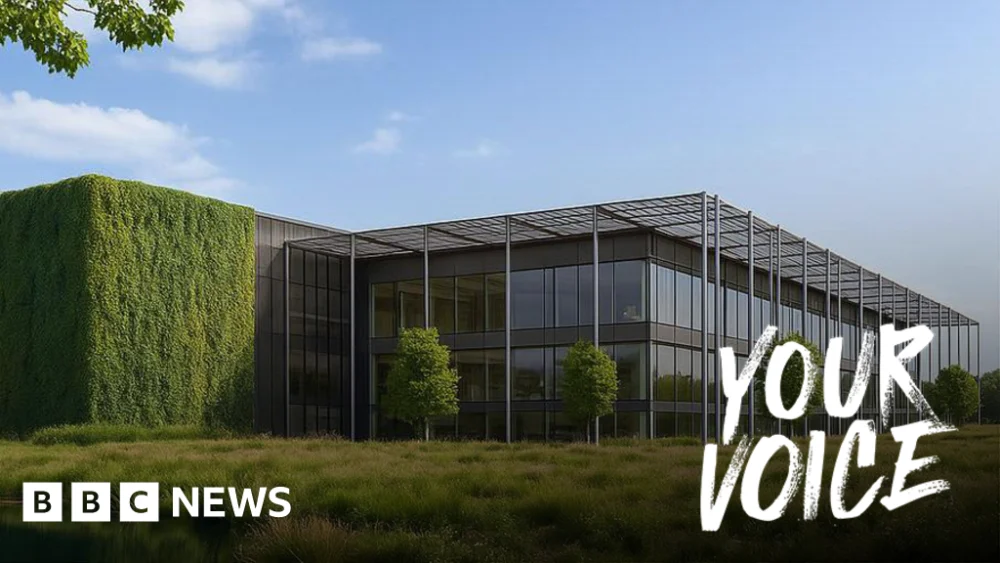
East Ayrshire faces a pivotal moment as energy firm ILI Group proposes to construct one of the world’s largest artificial intelligence data centres on approximately 100 hectares (250 acres) of farmland near HMP Kilmarnock. This ambitious development, dubbed "Rufus," is envisioned as a significant technological hub, with ILI Group stating that the "vast majority" of the land would be dedicated to biodiversity and landscaping, while the structure itself would be comparable in scale to the adjacent prison. Proponents herald the project as a catalyst for regional regeneration, promising substantial job creation and economic investment that could be reinvested into the local community. However, the proposal has ignited fierce opposition from residents deeply concerned about the potential long-term environmental and societal impacts on the wider Ayrshire region.
Concerns have been voiced through platforms like BBC Your Voice, with some locals expressing apprehension that ILI Group has not yet provided definitive details regarding a facility that could dominate the Hurlford landscape for decades. The surge in data centre applications across Scotland is notable; Action to Protect Rural Scotland estimates that 17 such projects are currently in various stages of the planning process. Intelligent Land Investments (ILI), the company behind the Rufus proposal, has a background in clean energy development and battery storage. They have announced plans for a larger "Stoics" data cluster, encompassing sites in Ayrshire, Lanarkshire, and Fife. ILI has secured land rights and grid access, and is now commencing the planning process with local councils. The company describes the Stoics cluster as exceeding the size of many current leading data campuses, comprising multiple buildings, an on-site electrical substation, and designated wildflower areas.
For many residents of Hurlford, the announcement of the Rufus facility has raised numerous questions. Lisa Beacham, a student from Hurlford, initiated her own research into the proposal, focusing on the significant water resources required for cooling the data centre’s high-performance computer chips. "The site proposal is that it would be powered at 540MW, which would require millions of litres of water a day," Beacham stated. She highlighted the global context of water scarcity, citing a UN report on "global water bankruptcy," and expressed concern over a facility consuming vast quantities of water, particularly as the used water, due to residue, cannot be easily recirculated.
ILI Group disputes the extent of water consumption, suggesting that Scotland’s cooler climate is a significant advantage for data centres, potentially reducing cooling needs to as little as 2% of the time. A company spokesperson indicated that water requirements could potentially be met through on-site rainwater harvesting and that various technical solutions for water usage are under investigation. However, climate expert Alex De Vries, who manages the Digiconomist blog, estimates that a 540MW facility could consume nearly 6 billion litres of fresh water annually to generate the necessary power. He contends that Scotland’s relatively cool climate would have minimal impact on mitigating this substantial water demand.
Despite these concerns, ILI Group remains optimistic about the project’s potential benefits. The company recently hosted the first of three public consultations in Kilmarnock, where attendee opinions were divided. Some couples expressed their belief that East Ayrshire desperately needs investment and that any initiative creating local jobs would be welcomed. Others, while not enthusiastic about data centres in general, acknowledged that they represent the future and that Ayrshire could benefit from this technological shift.

Greig Templeton of ILI Group, present at the consultation, articulated the company’s vision for the project as a positive force for the entire region. He referenced ILI’s track record with community benefits, citing the Red John hydro-pumped storage project in the Highlands, which was later acquired by Statkraft. Templeton explained that prior to transferring the project, ILI had established community commitments, including a community fund, the implementation of a water taxi service, and the installation of local walkways. These benefits, he stressed, were developed through direct engagement with local communities to understand their needs.
The imperative to create more jobs in Ayrshire is a sentiment shared across the board. Templeton estimates that the data centre could generate between 120 and 150 roles, encompassing security, cleaning, and specialised technical positions. However, Cheryl Rowland, an administrative assistant from Hurlford, remains sceptical about the job creation aspect. During the consultation, she questioned the long-term commitment to local employment, asking, "Would they arrange education upskilling, to bring local people through and help them grow into jobs here, or will the jobs all be people coming into the area?" ILI Group projects that the data cluster could inject "tens of billions of pounds in private investment" into Scotland’s economy. While acknowledging interest from private companies, ILI has not yet secured confirmed funding. Rowland expressed concern about the construction of such a significant facility by a company that may not have a long-term presence.
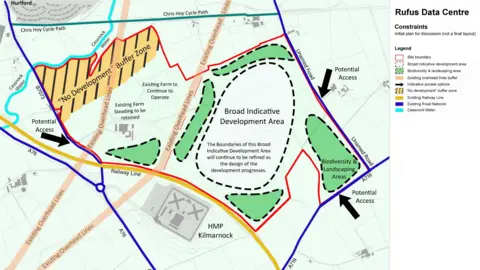
Lisa Beacham harbours further anxieties, which Templeton attributes, in part, to the project’s early developmental stage. He stated that ILI is conducting its own comprehensive assessments and consulting with bodies like Scottish Water and Sepa, with an Environmental Impact Assessment (EIA) potentially to follow. "Our assessment is quite detailed, it’s maybe not written in the formal terms of the EIA but we will look at all of the aspects," Templeton assured.
However, for Beacham, the perceived lack of detailed information surrounding a proposal that could permanently alter the local landscape remains a significant concern. As she departed the consultation event, she posed a critical question: "Do they have the substance for what they’re proposing? They don’t have experience building data centres and I feel they’re underselling it all – both the actual development itself and the impact it will have on Ayrshire. Because once it’s built, that’s it – it’ll be here for decades." The future of this significant development, and its ultimate impact on Ayrshire, remains a subject of intense debate and scrutiny.




 Roy Suryo
 Nana Banana

 Ramos Leo