George Anjay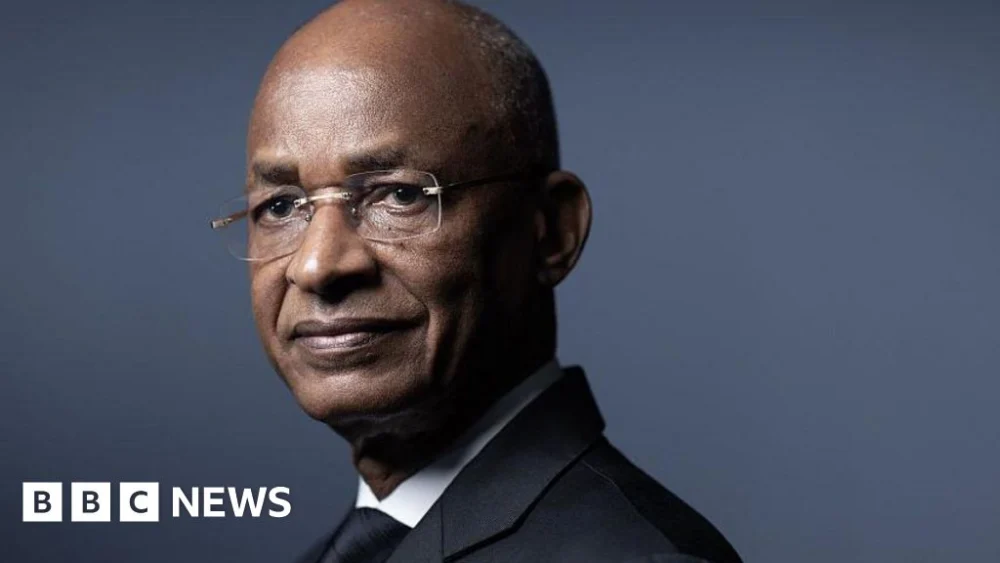
Guinea’s political landscape has been dramatically reshaped with the dissolution of 40 political parties by the ruling junta, prompting the nation’s leading opposition figure, Cellou Dalein Diallo, to declare that "direct resistance" is now the sole viable path for achieving political change. This drastic measure, justified by the authorities on grounds of non-compliance with legal requirements, including the submission of mandatory financial statements, has been vehemently rejected by many of the affected parties, who assert they have met all their legal obligations. The move comes just two months after Colonel Mamady Doumbouya, the former head of the junta that seized power in 2021, was inaugurated as president following a controversial election that saw several key opposition figures barred from participation.
President Doumbouya, who overthrew the long-serving Alpha Condé, has faced increasing accusations of a crackdown on democratic freedoms and the erosion of civil liberties since taking the helm. The decree, issued late last Friday by the Ministry of Territorial Administration and Decentralisation, not only mandates the closure of the headquarters and local offices of the 40 dissolved parties but also prohibits the use of their logos, acronyms, and other identifying symbols. Furthermore, the assets of these parties have been confiscated, and all their offices sealed, effectively neutralizing their presence in the public sphere.
Among the prominent political organizations struck from the register are the Rally of the People of Guinea (RPG), formerly led by ex-President Alpha Condé, and the Union of Democratic Forces of Guinea (UFDG), headed by Cellou Dalein Diallo, who is currently in exile. The swiftness and totality of this dissolution have sent shockwaves through Guinean society, raising serious concerns about the future of democracy and political pluralism in the nation.
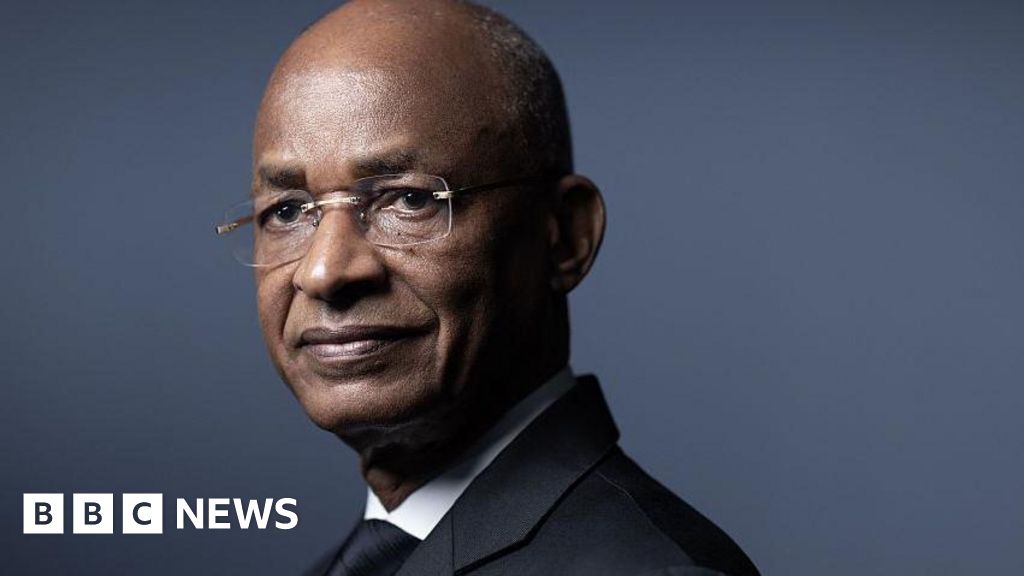
In a stark video statement released on social media on Sunday, Cellou Dalein Diallo articulated the gravity of the situation, asserting that the decree signifies an "open declaration of war" against all those who dare to challenge President Doumbouya’s authority. He expressed a profound sense of disillusionment, stating that political change in Guinea will no longer be achievable through dialogue or established democratic processes. Diallo’s fiery rhetoric painted a grim picture of the current political climate, accusing the "head of the junta and his malevolent clique" of attempting to "rewrite the country’s history by erasing from the political landscape all forces likely to overshadow his nascent one-party state." This statement directly challenges the legitimacy of the current regime and signals a potential escalation in the political standoff.
The dissolution of these political parties is particularly significant as it occurs just two months before crucial legislative elections are scheduled to take place. These elections are considered a vital milestone in Guinea’s transition from military rule to civilian governance. The timing of the ban suggests an attempt by the junta to consolidate power and eliminate potential opposition before this critical electoral process. The move also mirrors actions taken by other military-led governments in the region, such as Burkina Faso, where authorities similarly banned all political parties on January 29th, as part of efforts to solidify their grip on power in a nation grappling with its own internal crises and political instability.
Jean-Marc Telliano, a former minister and the president of the Rally for the Integrated Development of Guinea (RDIG), another party affected by the dissolution, also voiced strong criticism of the authorities’ decision. Quoted by Reuters, Telliano declared his party’s intent to "fight to assert its rights" and pledged to "use all legal means to have our rights restored." This indicates that the legal battles over the dissolution are likely to continue, potentially leading to further political and judicial friction. The assertion of legal recourse by dissolved parties highlights a lingering belief in the possibility of challenging the junta’s actions within a legal framework, even as Diallo advocates for more direct forms of resistance.
The justification provided by the Ministry of Territorial Administration and Decentralisation – that the parties failed to comply with legal requirements such as submitting mandatory financial statements – has been met with widespread skepticism and denial. Many of these parties have been active participants in Guinean politics for years, and it is improbable that such a fundamental oversight would occur across such a broad spectrum of political organizations without a deliberate agenda behind it. The arbitrary nature of the accusations, coupled with the severe consequences, points towards a political motivation rather than a genuine administrative enforcement.
Cellou Dalein Diallo’s call for "direct resistance" is a significant escalation from previous opposition strategies, which often focused on electoral challenges and peaceful protests. His statement suggests a belief that the current regime is unwilling to cede power through conventional means and that more assertive action is required. This could manifest in various forms, including widespread civil disobedience, organized demonstrations, or even more disruptive actions, depending on how the opposition mobilishes and the public responds. The exiled leader’s bold pronouncement is likely to resonate with a segment of the Guinean population disillusioned with the political trajectory of their country.
The international community is closely watching the developments in Guinea. The repeated interventions of the military in politics across West Africa have raised concerns about democratic backsliding in the region. The dissolution of political parties and the suppression of opposition voices in Guinea could further isolate the country and draw criticism from international bodies and democratic allies. The absence of a vibrant and legal opposition in the run-up to elections could undermine the legitimacy of any future government and exacerbate existing social and political tensions.
The historical context of Guinean politics, marked by periods of authoritarian rule and political instability, makes the current situation particularly sensitive. The aspirations for democratic governance and economic development that fueled the initial optimism following Condé’s removal are now facing significant challenges. The junta’s actions appear to be moving away from the promised transition to civilian rule, creating an atmosphere of uncertainty and apprehension among the populace. The call for "direct resistance" by a prominent opposition leader like Diallo underscores the deep divisions and the growing frustration with the current political direction. The coming weeks and months will be critical in determining whether Guinea can navigate this turbulent period and move towards a more inclusive and democratic future, or whether it will descend further into political repression and instability. The international community’s response, coupled with the resilience and organization of the Guinean opposition, will play a crucial role in shaping the outcome. The stark contrast between Diallo’s call for direct action and the junta’s perceived consolidation of power sets the stage for a potentially volatile period in Guinean history.



 Roy Suryo
 Nakalama John
 atisusanti
 Ramos Leo