atisusanti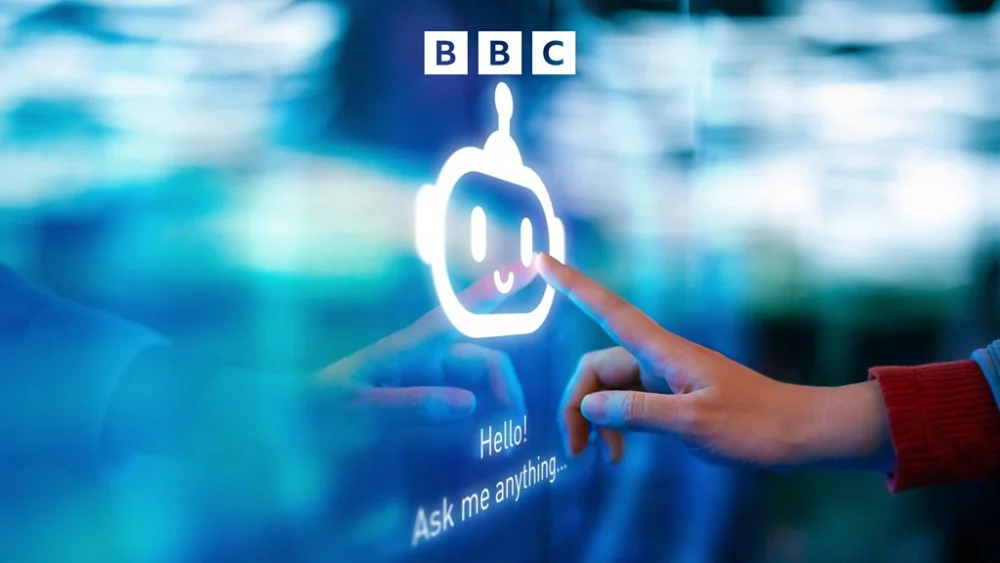
The digital realm is abuzz with the rapid evolution of artificial intelligence, and at the forefront of this transformation are engaging chatbots. In a recent episode of BBC Sounds’ "Tech Life," presenter Chris Vallance, with the adept production of Tom Quinn, delved deep into the fascinating world of conversational AI, exploring its current capabilities, future potential, and the nuanced challenges of forging genuine human connection with machines. The episode, available for over a year, offers a comprehensive look at how AI is not just mimicking human conversation but striving to imbue it with the very essence of emotion and personality.
A significant portion of the discussion centered on an insightful chat with NVIDIA, a company at the vanguard of AI development. The conversation illuminated NVIDIA’s efforts to refine AI chatbots, focusing on the critical aspect of making them sound more human. This involves moving beyond mere functional responses to creating dialogue that possesses natural intonation, emotional cadence, and even the subtle hesitations and inflections that characterize authentic human speech. The goal is to bridge the gap between artificial and natural communication, making interactions with AI feel less like a transaction and more like a genuine exchange. This pursuit is not just about technological advancement; it’s about fundamentally altering our relationship with the digital assistants that are becoming increasingly integrated into our lives.
The exploration extended to the complex and often ethically charged territory of making and breaking an emotional connection with AI. As chatbots become more sophisticated, they are designed to elicit and respond to human emotions. This raises profound questions about the nature of empathy, the potential for emotional manipulation, and the psychological impact of forming bonds with non-sentient entities. The episode implicitly touched upon the philosophical underpinnings of consciousness and emotion, asking whether an AI can truly "feel" or merely simulate feeling. The ability of AI to generate responses that resonate emotionally with users, whether positive or negative, highlights the dual-edged sword of advanced conversational AI. On one hand, it can offer companionship, support, and a sense of understanding. On the other, it presents risks of over-reliance, disillusionment, and the blurring of lines between genuine human relationships and artificial interactions.
Beyond the immediate applications in communication, "Tech Life" also spotlighted the life-changing potential of new technologies assisting stroke survivors. This segment underscored the practical and profoundly human applications of AI, moving beyond theoretical discussions to tangible benefits. Advanced AI-powered tools are being developed to aid in rehabilitation, cognitive therapy, and even to help individuals regain lost speech capabilities. The ability of AI to analyze patient progress, personalize treatment plans, and provide consistent, encouraging feedback can be instrumental in the recovery process. This application of technology serves as a powerful reminder that the pursuit of more engaging chatbots is not solely about entertainment or convenience; it’s about leveraging artificial intelligence to enhance human well-being and address critical societal needs.
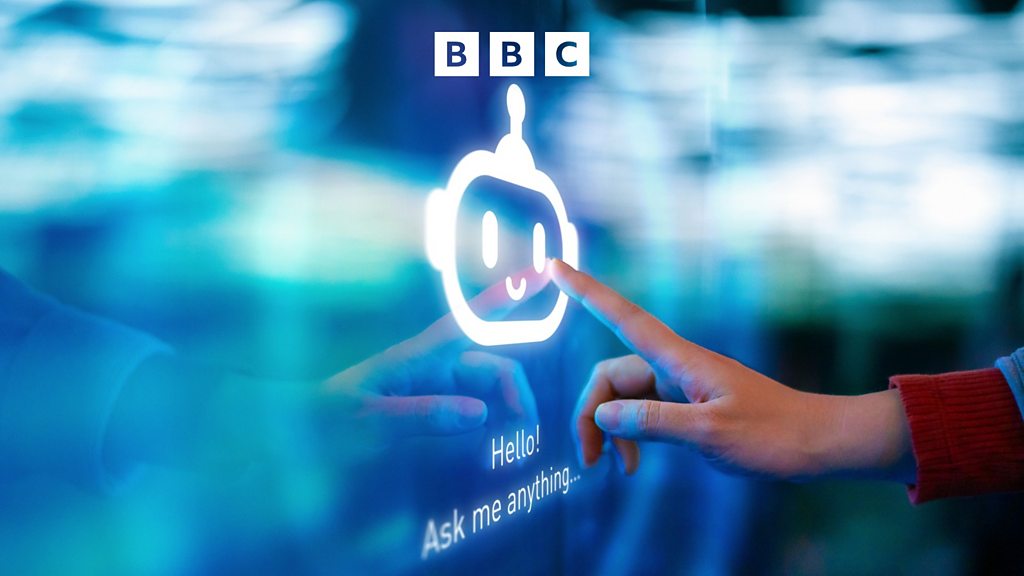
The episode’s presenter, Chris Vallance, is known for his ability to demystify complex technological topics and present them in an accessible and engaging manner. His interview with NVIDIA likely provided listeners with a behind-the-scenes look at the innovation driving the field of conversational AI. The producer, Tom Quinn, played a crucial role in curating the narrative, ensuring a smooth flow between the different segments and highlighting the most compelling aspects of the research and development in this domain. The accompanying photograph, depicting a digital screen with a chatbot icon and a finger interacting with it, perfectly encapsulates the central theme of the episode: the increasingly intimate and interactive relationship between humans and artificial intelligence. The image visually represents the user’s active engagement with AI, inviting queries and fostering a sense of direct interaction.
The BBC Sounds platform, through its "Tech Life" program, continues to be a vital resource for understanding the ever-evolving landscape of technology. By featuring episodes like "Engaging chatbots," the broadcaster ensures that its audience is informed about the cutting-edge developments that are shaping our future. The fact that this episode remains available for over a year signifies its enduring relevance and the sustained public interest in the topic of AI. It provides a valuable opportunity for listeners to catch up on the latest discussions and gain a deeper appreciation for the profound implications of conversational AI across various sectors of life, from personal communication to critical healthcare applications. The episode’s exploration of both the technical intricacies and the human-centric implications of AI chatbots offers a balanced and thought-provoking perspective on a technology that is rapidly becoming an indispensable part of the modern world. The ability to make AI sound more human is not just a technical feat; it’s a step towards a future where human and artificial intelligence can coexist and collaborate in more meaningful and impactful ways.


 Nana Banana

 George Anjay
 Ramos Leo