Nakalama John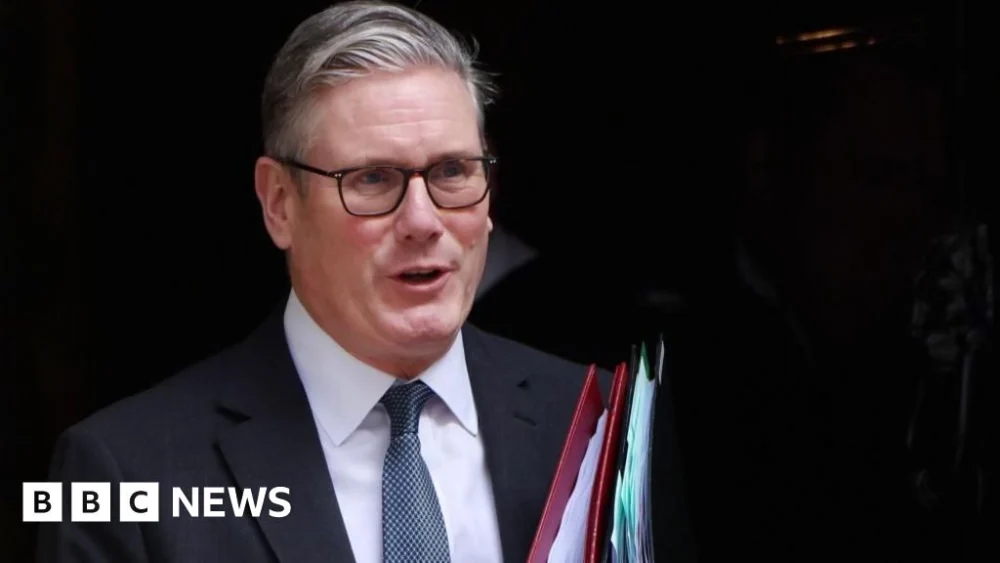
The impending tax rate adjustment on petrol and diesel is a significant point of contention. It involves the gradual phasing out of a 5p per litre cut that was initially introduced in March 2022 by the then-Conservative government. This cut was a direct response to the surge in global energy prices following Russia’s full-scale invasion of Ukraine, an event that sent shockwaves through international markets and exacerbated inflationary pressures worldwide. The original plan stipulated that this temporary reduction would be phased out over six months, beginning in September, effectively reinstating the previous higher duty rate.
During a session of Prime Minister’s Questions, the Conservative Party leader, Kemi Badenoch, launched a strong critique of Sir Keir’s position. She predicted that the Prime Minister would ultimately be forced into "another humiliating U-turn" on the issue, urging him to scrap the planned increase outright. Badenoch highlighted the Conservatives’ track record of freezing fuel duty for years and implementing the 5p cut, asserting that their party "cares about the cost of living." She accused the Labour government of viewing drivers as a "cash cow" and of being poised to implement the first fuel duty hike in 15 years, a move she argued would disproportionately affect ordinary working families and small businesses reliant on transport.
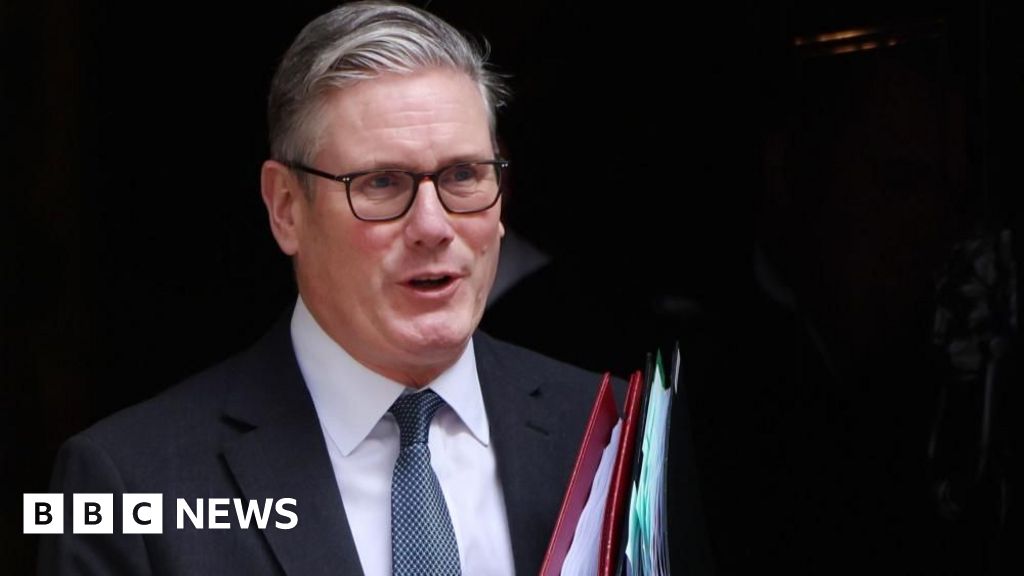
Sir Keir, in his response to Members of Parliament, reiterated that fuel duty is currently "frozen until September." He firmly stated, "We will keep the situation under review in light of what’s happening in Iran." This careful phrasing underscores the government’s dilemma: balancing fiscal responsibility and revenue generation with the imperative to protect consumers from the brunt of international geopolitical instability. The Middle East conflict, specifically the recent exchanges of strikes between the United States, Israel, and Iran, has injected significant volatility into global oil markets, pushing crude prices higher and creating uncertainty about future supply chains.
Opposition parties have seized on these increased energy prices as a catalyst to intensify their campaigning efforts, advocating strongly for the retention of the existing fuel duty cut. They argue that proceeding with the hike in the current climate would be economically irresponsible and would place an undue burden on an already struggling populace grappling with a persistent cost of living crisis. The ripple effects of higher fuel costs extend beyond the pump, impacting everything from food prices due to increased transport costs to the viability of small businesses.
Chancellor Rachel Reeves, speaking to MPs earlier in the week, acknowledged the "very volatile" nature of the global oil market and the "fluctuating oil prices." While committing to keep the situation under review, she also expressed caution regarding government intervention. During a session with the Treasury committee, she stated that it was "much too early" to speculate on petrol prices in September. Critically, she added that she is "very loath to spend government money on something that the market should be doing," signaling a preference for market mechanisms over direct government subsidies where possible, a stance that aligns with traditional fiscal conservatism. This highlights the delicate balance the Treasury must strike between alleviating consumer burden and maintaining sound public finances, particularly given the UK’s substantial national debt.
At Prime Minister’s Questions, Sir Keir defended the government’s broader approach to the unfolding geopolitical situation. He emphasized that the most effective strategy involves collaborative efforts with international partners to "de-escalate the situation" in the Middle East. This diplomatic focus, he suggested, is the primary means of stabilizing global energy markets rather than reactive domestic tax policy changes. He also took the opportunity to counter Kemi Badenoch’s accusations, challenging her on her previous suggestions regarding potential UK military involvement in offensive strikes on Iran, implying a shifting stance on her part concerning regional intervention.
Conservative MP Graham Stuart further pressed Sir Keir on the issue, directly asking if he would proceed with the fuel duty rise in September and "add to the misery" of his constituents in Beverley and Holderness. He demanded a clear "yes or no" answer, reflecting the public and parliamentary desire for certainty on a matter that directly impacts household budgets. Sir Keir, however, maintained his cautious position, reiterating that there would be no change to fuel duty until September and that "in light of what’s happening in Iran of course we will look carefully at the situation." This consistent line from the Prime Minister suggests the government is buying time, waiting to see how the geopolitical landscape evolves before committing to a definitive policy decision.
Beyond fuel duty, the broader concern of energy costs also featured in the parliamentary debate. Liberal Democrat leader Sir Ed Davey sought assurances from the Prime Minister that household energy bills "won’t rise by hundreds of pounds" in July. This question touched upon the domestic energy price cap, a crucial mechanism protecting consumers from extreme fluctuations in gas and electricity prices. Sir Keir acknowledged the widespread public anxiety, stating, "People will be really worried about the impact on them." He reassured households that the current price cap remains in place until the end of June, covering bills until July. He concluded by affirming that the government is "working with the sector and with others, and with allies, to do everything we can to make sure those energy bills don’t rise. So, we’re working round the clock on that." This indicates a multifaceted approach by the government, addressing both the immediate concern of transport fuel costs and the broader issue of household energy expenditure, all while navigating a complex international environment. The coming months will reveal whether the "under review" stance on fuel duty translates into a continued freeze or a contentious hike, heavily influenced by the volatile situation in the Middle East.


 Roy Suryo
 George Anjay
 Ramos Leo