
 Nana Banana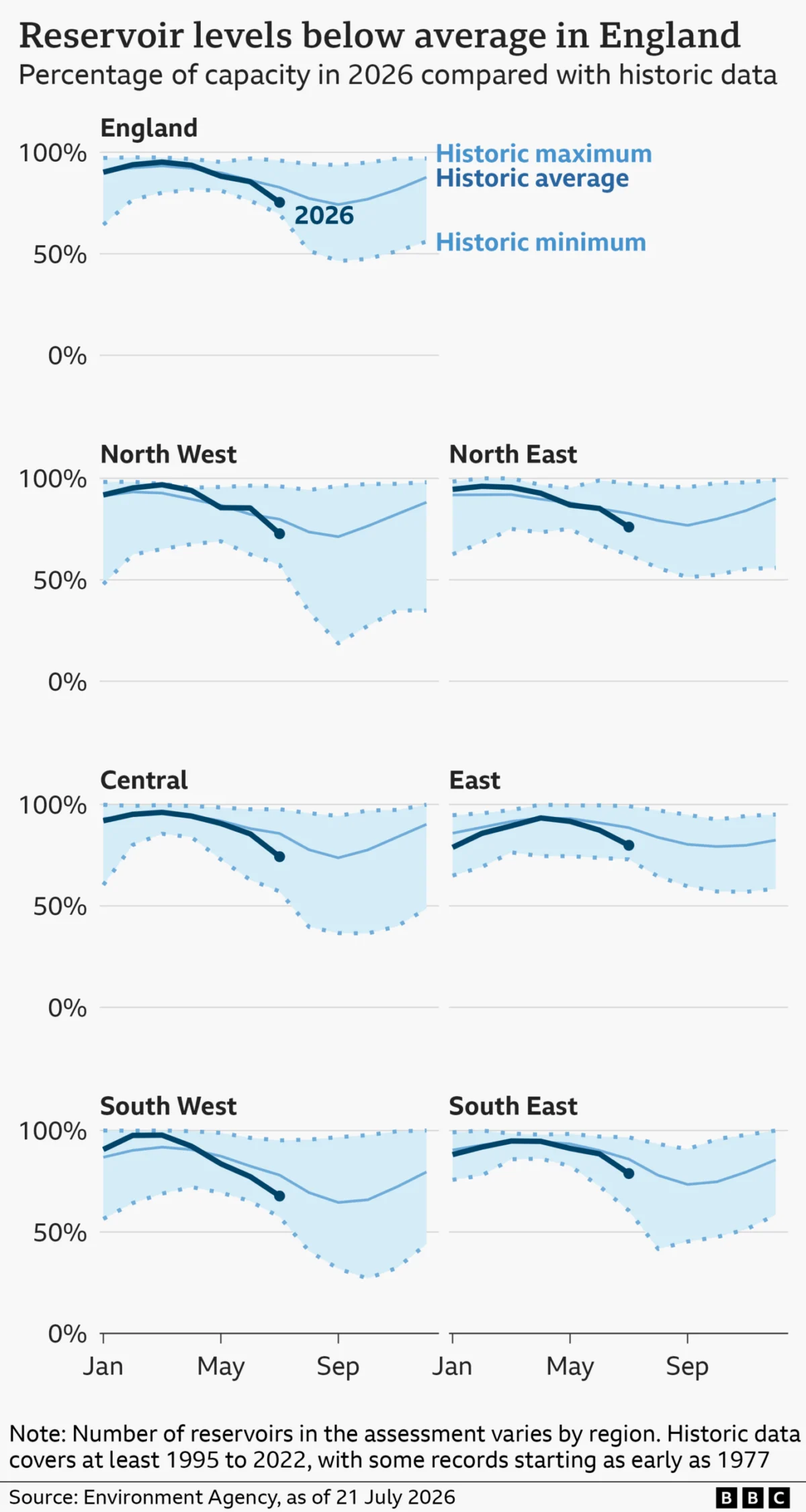
Droughts have been officially declared across vast swathes of England and Wales, plunging millions of households into immediate water restrictions as successive heatwaves and record-low rainfall have pushed water supplies to a critical point. The Environment Agency (EA) has confirmed that over half of England is now under drought conditions, specifically impacting central, eastern, and southern regions. Concurrently, Natural Resources Wales (NRW) has issued a drought declaration for North Wales and the Upper Severn river basin, underscoring the widespread nature of the crisis.
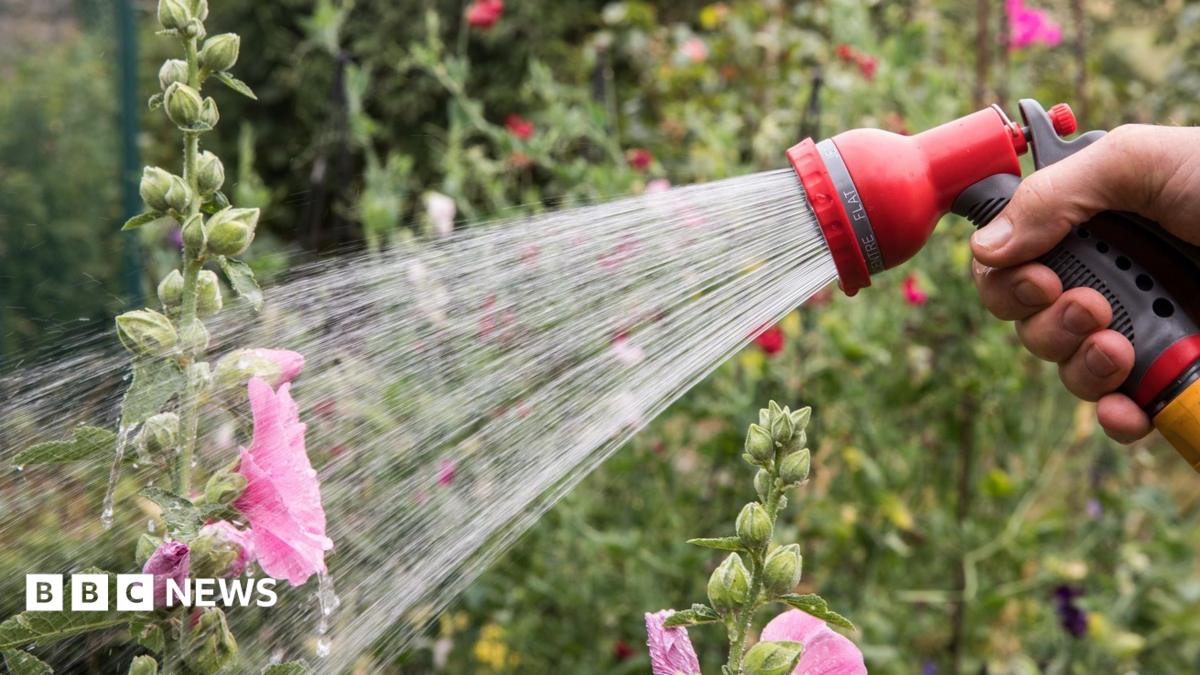
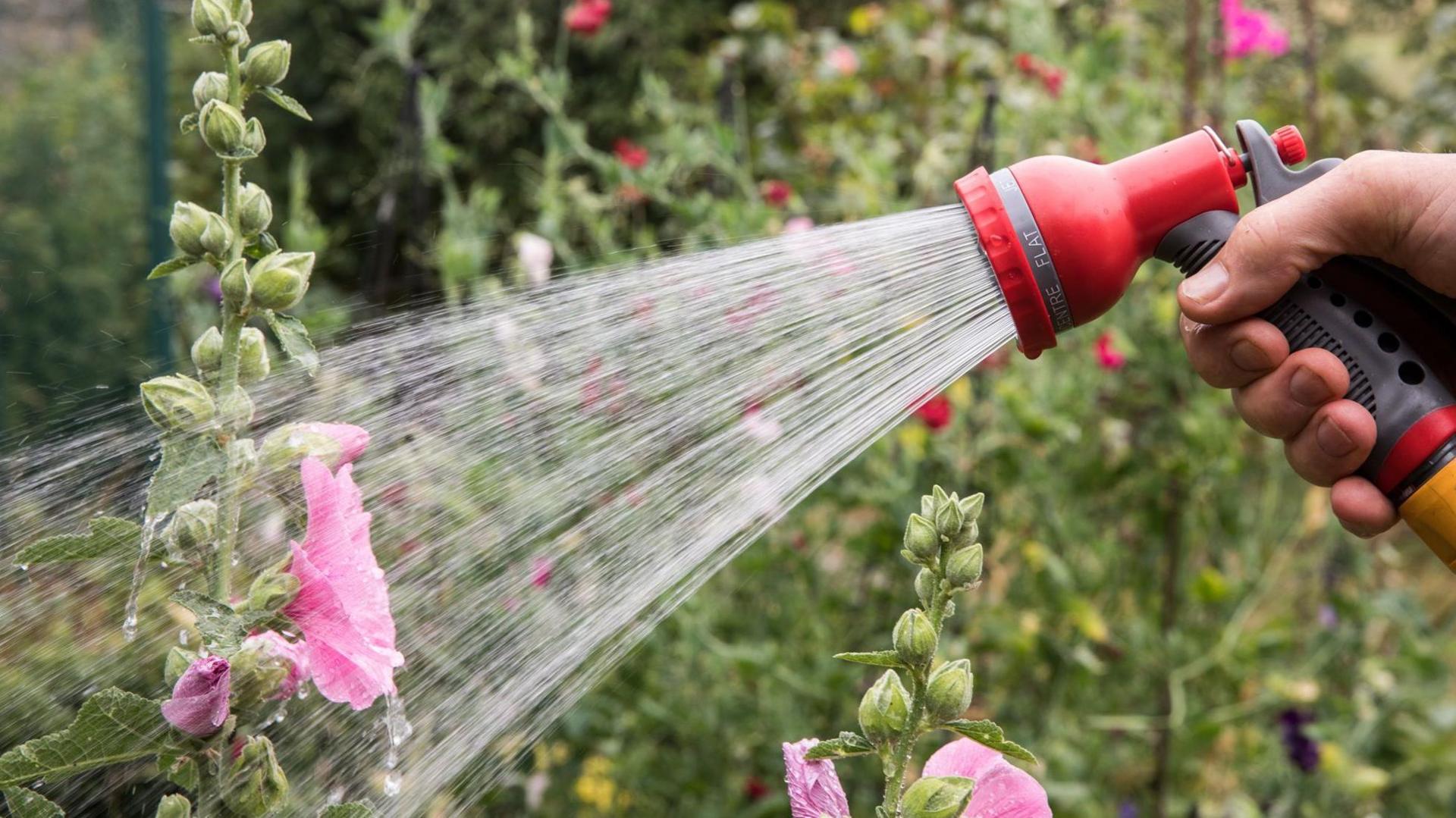
Both England and Wales are currently on track to record one of their driest Julys on record. This unprecedented lack of rainfall, compounded by exceptionally hot, dry conditions throughout spring and early summer, coupled with soaring public demand, has severely depleted vital water reserves. As a direct consequence, more than 20 million people across England and Wales are now subject to hosepipe bans, officially known as Temporary Use Bans (TUBs). These bans strictly prohibit the use of hosepipes for a range of activities, including watering gardens, washing private vehicles and windows, and filling swimming or paddling pools, as well as ornamental ponds. The restrictions aim to conserve dwindling supplies and ensure essential water remains available for public health and safety.
The declaration of a drought is a significant step, signaling a severe water shortage that requires immediate action. There is no single, universally agreed definition of drought, but it typically commences with a prolonged period of low rainfall. As the ground becomes parched, vegetation and agricultural crops begin to suffer. If these dry conditions persist, the levels in rivers, reservoirs, and groundwater sources fall dramatically, placing immense pressure on the entire water supply system. Environmental bodies in each UK nation—the Environment Agency in England, Natural Resources Wales, and the Scottish Environment Protection Agency (SEPA)—are responsible for assessing current water resources alongside detailed weather forecasts to determine whether to declare a drought or a state of water scarcity.
While drought is primarily driven by prolonged dry weather, water scarcity refers to a situation where the demand for water significantly outstrips the available supply. This summer, restrictions have been implemented in several areas not only due to drought conditions but also to manage exceptionally high demand, exacerbated by the soaring temperatures. Ironically, the preceding winter was considerably wetter than usual. This stark contrast has ignited questions about the effectiveness of current water resource management strategies and the UK’s preparedness for the increasingly drier summers anticipated as a direct consequence of climate change.
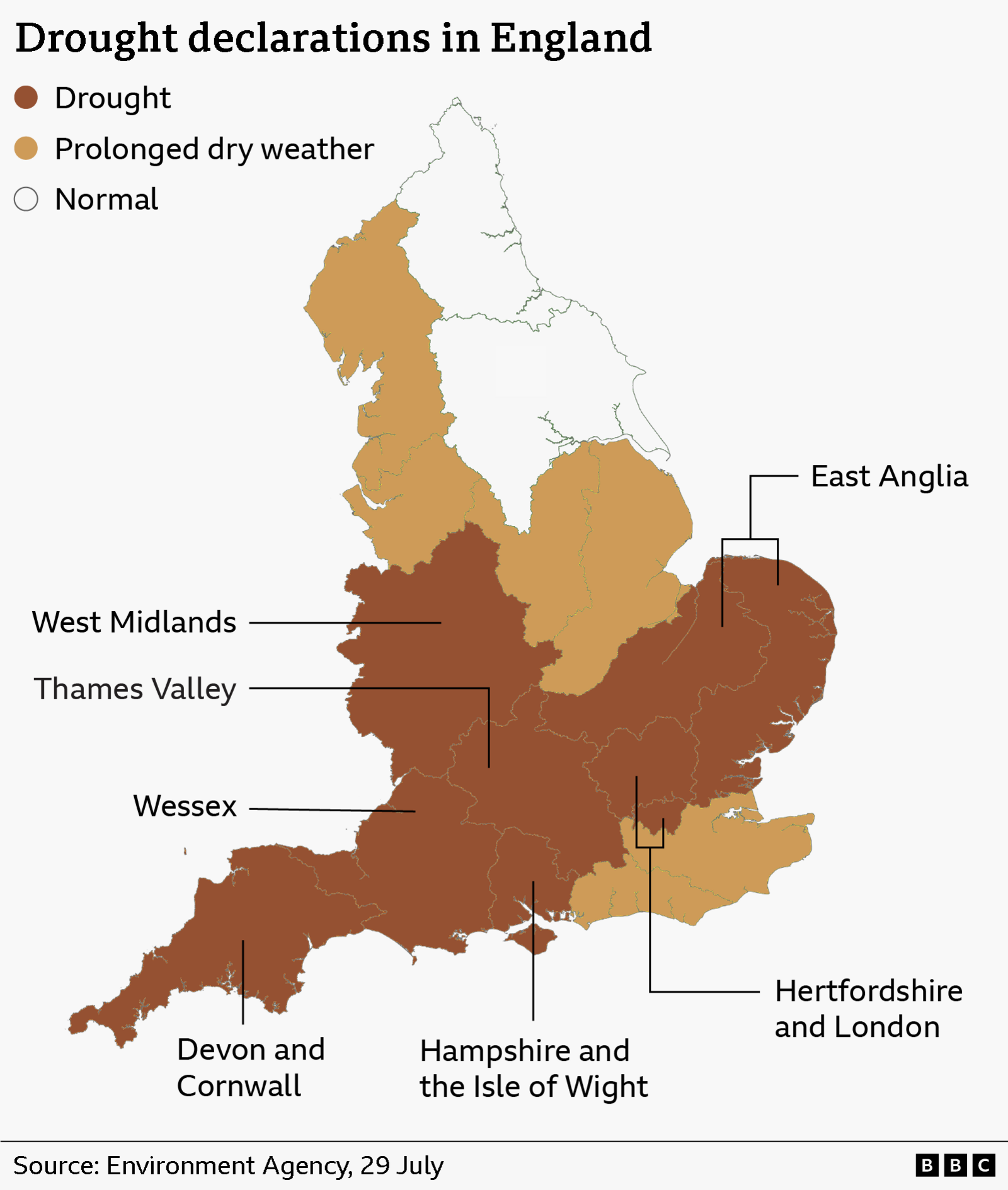
Currently, eight UK water companies have announced hosepipe bans, with seven located across central, southern, and eastern England, and one in Wales. In England, the drought-affected areas now encompass East Anglia, Hertfordshire and the entirety of London, the Thames Valley, Hampshire and the Isle of Wight, Devon and Cornwall, the West Midlands, and Wessex (which includes Dorset, Somerset, Wiltshire, and South Gloucestershire). Several other English regions are categorized under "prolonged dry weather," the immediate precursor to a drought, while only Yorkshire and the North East maintain a "normal" water status.
Beyond England, North Wales and the Upper Severn are officially in drought, with the remainder of Wales experiencing prolonged dry weather. Northern Ireland currently reports no official droughts, though water levels are under close monitoring. Scotland, while not formally declaring droughts, monitors "water scarcity," and several areas in the country have now reached the most extreme category of "significant scarcity," indicating severe pressure on water resources.
Our nation’s water supply relies on three primary sources: rivers, reservoirs, and deep underground groundwater aquifers. Following the sustained hot and dry weather, the Environment Agency reports that nearly 80% of England’s rivers are experiencing flows at or below normal levels. Disturbingly, some river flows have reached their lowest recorded levels, including the iconic River Thames at Reading and the River Cam at Dernford in Cambridgeshire. Steve Turner, a hydrologist at the UK Centre for Ecology & Hydrology (UKCEH), warned that "without significant rainfall, we could see increasing impacts on wildlife, agriculture and water resources as the summer progresses." Natural Resources Wales echoed these concerns when declaring drought in North Wales and Upper Severn, noting that many river flows in the area are "exceptionally low" for this time of year, with some locations registering record lows for July.
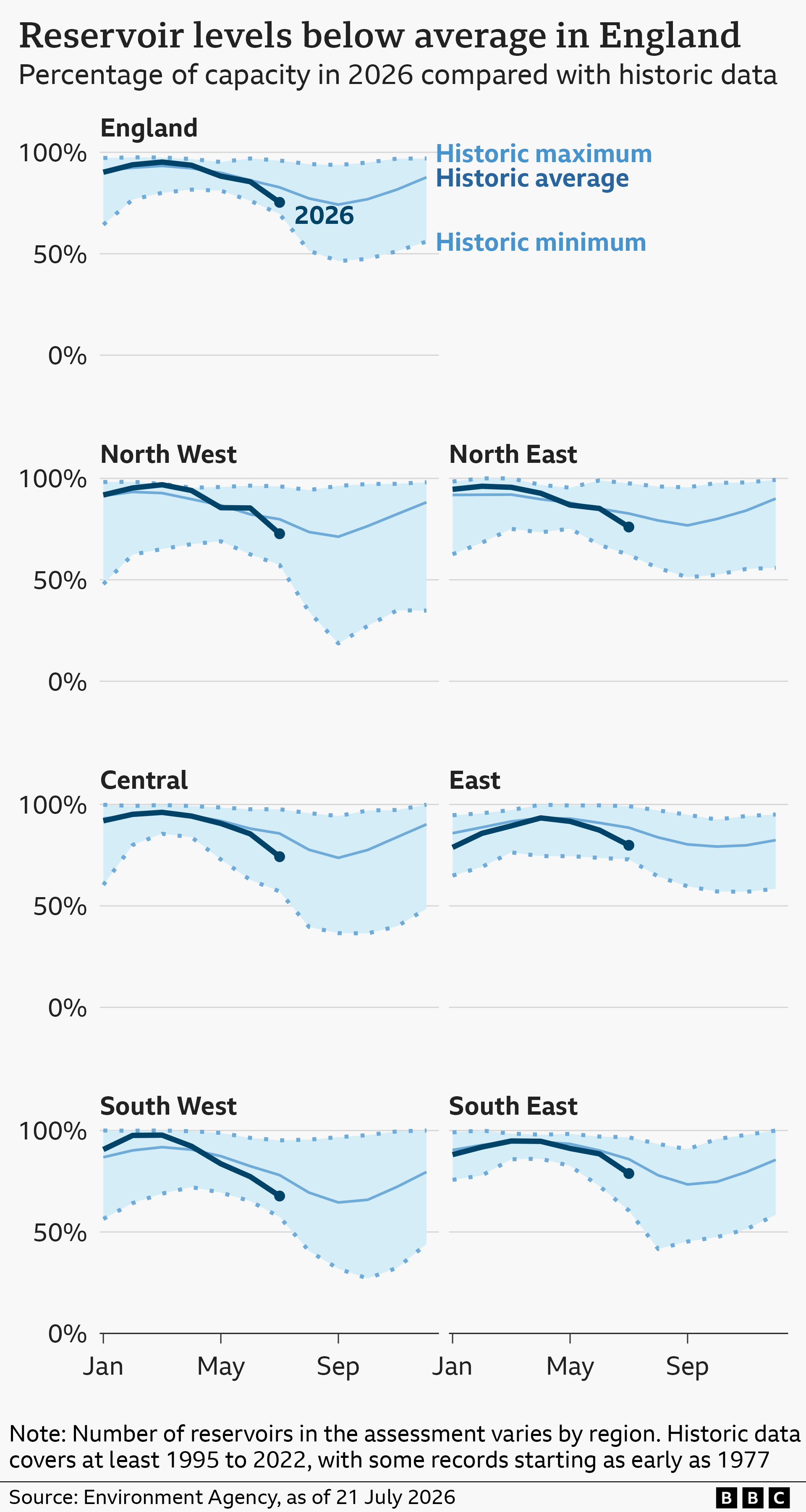
Reservoirs are a crucial component of our water infrastructure, storing vast quantities of water for public consumption. While the latest available data up to June indicated that reservoir levels in Wales, Northern Ireland, and Scotland were generally normal or above expected, figures up to 21 July reveal that England’s reservoirs are significantly below their average levels for this period of the year. Across England as a whole, reservoir stocks stand at approximately 75%, notably below the average of 83% for the time of year. Regionally, all six English regions—North West, North East, Central England, East of England, South West, and South East—are showing below-average reservoir levels, with stocks generally peaking in the first few months of the year and typically reaching their lowest point in early autumn.
In contrast to surface water sources like rivers and reservoirs, south-east England relies more heavily on groundwater. Groundwater originates from rainfall that slowly percolates through the soil and is naturally stored beneath the surface within the pore spaces and fractures of rocks. In June, groundwater levels were generally at or just below normal, having benefited from winter rainfall but subsequently depleted by a drier spring in most regions. The flow of water through different rock types varies considerably; some geological formations allow water to move very slowly, sometimes taking years to fully respond to current weather conditions. Professor Alan MacDonald of the British Geological Survey explains that these groundwater stores "respond more slowly to changes in the climate than rivers, which is why they provide a useful buffer during periods of drought." This inherent characteristic means that groundwater droughts in the south of England typically take longer to develop but, once established, can be far more prolonged and difficult to recover from.
The question of whether climate change is to blame for the current water crisis is complex, as droughts are intricate phenomena influenced by a combination of natural weather patterns and human activities. However, the Met Office consistently forecasts that the UK will experience drier summers on average in the future as global temperatures continue to rise. While a clear trend for drier summers has not yet been definitively established in historical data, rising temperatures play a direct and significant role by accelerating the evaporation of moisture from the soil. Richard Allan, professor of climate science at the University of Reading, highlights that "a warmer atmosphere is thirstier for moisture and this can mean water in the soil, rivers and reservoirs are depleted more effectively, leading to more rapidly onsetting droughts, heatwaves and wildfires." This creates a dangerous feedback loop, where dry conditions lead to higher temperatures, which in turn exacerbate dryness.
Beyond natural factors, human management of water resources is also under intense scrutiny. A landmark review into the water sector of England and Wales severely criticized water companies for historic underinvestment in crucial water infrastructure. This neglect has resulted in significant leakage rates, with billions of litres of treated water lost daily across the network—an unacceptable waste during times of scarcity. As part of comprehensive plans to address persistent water shortages, the government and various water companies are proposing the construction of nine new reservoirs across England by 2050, in addition to one already under construction at Havant Thicket in Hampshire.
However, the Environment Agency has warned that new infrastructure alone will not suffice. Measures to drastically reduce water leaks and more effectively control water demand are also desperately needed. These measures could potentially include a more frequent reliance on hosepipe bans, wider implementation of smart meters to encourage conscious consumption, and broader public education campaigns on water efficiency. Water companies in Scotland, Wales, and Northern Ireland, which operate as public bodies or non-profit entities, have also stated their commitment to taking proactive steps to secure future water supplies and enhance resilience against climate change impacts.
As the country grapples with these severe water restrictions, the immediate future remains uncertain, heavily dependent on significant and sustained rainfall. While the bans are a temporary measure, they underscore a long-term challenge that requires collective action. Households are urged to conserve water diligently, beyond just adhering to the bans, to help alleviate pressure on supplies. The current crisis serves as a stark reminder of the urgent need for robust infrastructure investment, innovative demand management, and a collective commitment to adapting to a changing climate to safeguard our most precious resource.




 Nakalama John
 atisusanti
 Ramos Leo
 Roy Suryo
 George Anjay