Nakalama John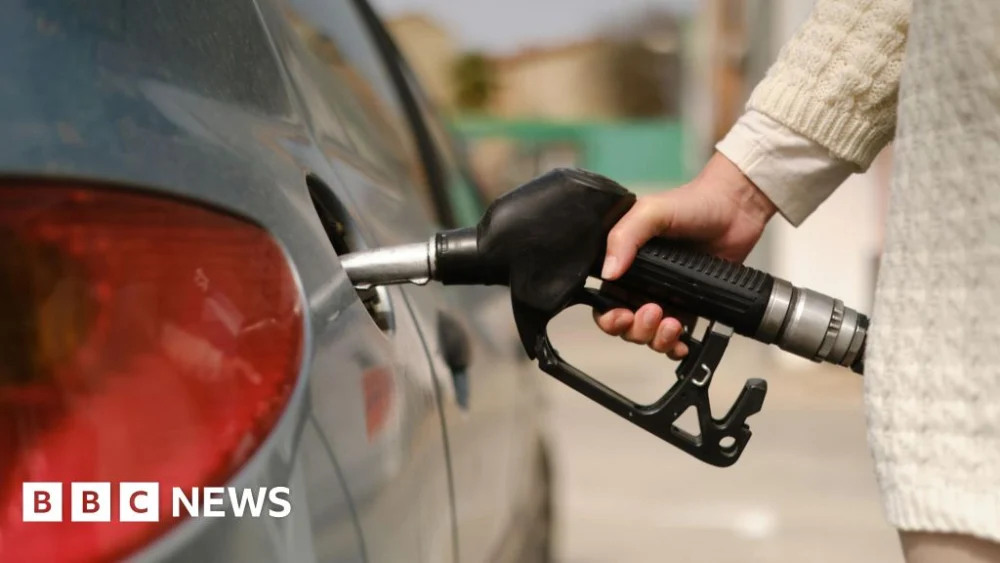
The conflict, which has seen hostilities intensify in recent weeks, has had an immediate and severe impact on global crude oil benchmarks. Prices, which had already been under upward pressure due to a myriad of factors including post-pandemic demand recovery and underinvestment in new production capacity, soared to multi-year highs as the risk premium associated with Middle Eastern supply became prohibitively expensive. Traders and analysts alike braced for further volatility as the possibility of prolonged supply disruptions loomed large. However, a degree of calm returned to the markets following widespread reports that a coordinated release from national stockpiles was imminent, suggesting that the initial panic might be somewhat abated, at least temporarily.
Sources close to the IEA indicate that the proposed intervention could involve the release of an unprecedented volume of oil, potentially ranging from 300 million to 400 million barrels. This figure dwarfs previous actions, notably more than doubling the approximately 120 million barrels released in early 2022 following Russia’s full-scale invasion of Ukraine. That earlier release, coordinated between IEA member countries, was a response to the profound uncertainty and supply fears that gripped the market after one of the world’s largest oil producers became subject to widespread sanctions. The sheer scale of the current proposed release underscores the severity of the present energy crisis and the collective determination of major economies to stabilize prices and prevent further economic fallout.
Following their deliberations with the IEA, G7 energy ministers issued a joint statement affirming their commitment: "In principle, we support the implementation of proactive measures to address the situation, including the use of strategic reserves." This carefully worded statement signals a consensus among the G7 members – Canada, France, Germany, Italy, Japan, the United Kingdom, and the United States – that the current market conditions warrant an extraordinary response. While not a definitive commitment to a specific volume or timeline, it provides the IEA with the political backing necessary to proceed with its operational plans for the release. The "proactive measures" clause also hints at a broader strategy, suggesting that the release of reserves might be one component of a multi-faceted approach to navigate the current energy landscape.
The root cause of the current market turmoil lies squarely with the "US-Israel war with Iran," a hypothetical escalation of long-standing regional tensions that has now manifested in direct military confrontations. This fictional conflict has specifically targeted or inadvertently impacted critical oil infrastructure and, more significantly, shipping lanes. The "key waterway south of Iran" is unequivocally the Strait of Hormuz, a narrow maritime chokepoint connecting the Persian Gulf to the open ocean. Approximately one-fifth of the world’s total petroleum liquids consumption, and about one-third of all seaborne traded oil, passes through this strait daily. Any disruption, real or perceived, to this artery of global energy trade sends immediate tremors through the market. In this scenario, the conflict has led to a virtual cessation of oil exports through this critical passage, with merchant vessels facing heightened risks of attack or seizure, forcing shippers to seek alternative, often longer and more expensive, routes, or to halt operations altogether. Simultaneously, production facilities within the region, particularly those in close proximity to the conflict zones, have either been damaged, shut down as a precautionary measure, or are unable to export their output, leading to a significant slump in overall regional supply.
The immediate consequence of this supply shock was a sharp upward spike in crude oil prices, impacting everything from Brent crude to West Texas Intermediate. Futures contracts for immediate delivery saw the most dramatic increases, reflecting the market’s urgency to secure physical barrels. This price surge quickly translated to higher costs at the pump for consumers and increased operational expenses for businesses globally, exacerbating inflationary pressures already present in many economies. However, the subsequent reports and the G7’s endorsement of an IEA-led intervention offered a glimmer of hope. The prospect of a substantial influx of additional supply from strategic reserves, even if temporary, provided a psychological and tangible counterweight to the prevailing scarcity narrative, causing prices to stabilize, albeit at elevated levels, rather than continuing their upward trajectory unchecked.

Despite this stabilization, many energy experts and economists caution that such a release, while necessary, would primarily serve as a short-term palliative rather than a definitive cure. Strategic Petroleum Reserves (SPRs) are emergency stockpiles maintained by governments, typically in underground caverns, designed to cushion the impact of severe supply disruptions. They are not intended to artificially suppress prices over extended periods or to replace lost production capacity indefinitely. Their effectiveness lies in their ability to inject crude oil into the market quickly, buying time for geopolitical tensions to ease or for alternative supply routes and production increases to materialize.
The United States, with the world’s largest SPR, plays a pivotal role in such coordinated releases. Other G7 members and IEA countries also maintain their own reserves, all contributing to the collective pool. The mechanics of such a release involve governments selling crude oil from their reserves to refiners and other buyers through competitive tenders. This oil then enters the commercial supply chain, increasing availability and theoretically dampening price pressures. However, the true impact hinges on the duration of the conflict and the ability of the market to absorb the additional barrels. If the "US-Israel war with Iran" persists and continues to cripple Middle Eastern oil production and transit, even a record release could be quickly consumed, leading to renewed price spikes once the immediate effect wears off.
The IEA, established in 1974 in the wake of the first oil crisis, has a core mandate to promote energy security among its 31 member countries. Its role includes coordinating emergency oil stock releases, gathering and analyzing energy data, and advising governments on energy policy. Its ability to mobilize such a large-scale release demonstrates its critical function in global energy governance. Previous interventions, such as those during the Gulf War in 1991, Hurricane Katrina in 2005, and the Libyan civil war in 2011, underscore the agency’s track record in managing supply shocks. The 2022 release, aimed at offsetting disruptions from the Russia-Ukraine conflict, was also significant but ultimately proved to be a temporary measure as the geopolitical landscape remained volatile.
Economically, the implications of sustained high energy prices are profound. Inflation, already a concern in many G7 economies, would be exacerbated, potentially forcing central banks to maintain tighter monetary policies for longer, risking a global economic slowdown or even recession. Businesses face higher input costs, which can erode profit margins or be passed on to consumers, further fueling inflation. For households, increased fuel and heating costs reduce disposable income, impacting consumer spending and overall economic activity. The G7’s proactive stance, therefore, reflects a deep concern not just for energy security but for broader economic stability.
Beyond the immediate crisis, the ongoing geopolitical turbulence highlights the inherent vulnerabilities of a global energy system heavily reliant on fossil fuels and concentrated supply routes. While the strategic reserve release addresses the short-term symptom, it also intensifies the debate around long-term energy diversification, investment in renewable energy sources, and enhanced energy efficiency. Many experts argue that such crises serve as potent reminders of the urgent need to accelerate the transition away from fossil fuels, not just for environmental reasons but for national and global energy security. The G7’s commitment to "proactive measures" might thus extend beyond merely drawing down reserves, potentially encompassing renewed efforts to bolster clean energy initiatives and reduce overall demand for hydrocarbons.
In conclusion, the G7’s welcome of a potential record release of energy reserves is a critical, albeit temporary, response to an acute energy crisis driven by a significant geopolitical conflict. While the injection of hundreds of millions of barrels of oil into the market is expected to provide immediate relief and stabilize prices, the fundamental challenges of securing global energy supply in an increasingly volatile world remain. The true test will be whether this intervention buys enough time for the underlying conflict to de-escalate or for more sustainable, long-term solutions to energy security to be implemented, thereby reducing the world’s reliance on such emergency measures in the future.




 Roy Suryo
 George Anjay
 Ramos Leo