Nana Banana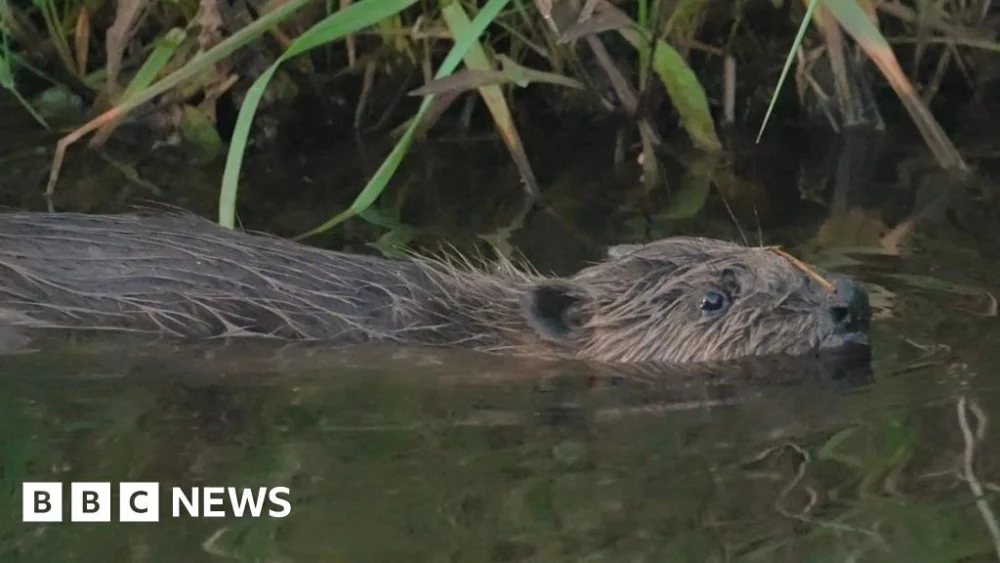
In the tranquil, verdant landscapes of Wallington, Northumberland, a fascinating tale of nature, conservation, and a particularly discerning palate has unfolded, captivating the local National Trust rangers. A male beaver, a patriarch of the burgeoning colony, has earned himself a reputation for a remarkable sweet tooth, leading to his capture not once, but twice, during routine health monitoring. This endearing display of gluttony highlights both the success of the beaver reintroduction project and the unique personalities that emerge within the wild.
For two months, National Trust rangers, spearheaded by lead ranger Helen McDonald, meticulously worked to conduct essential health checks on the expanding beaver family. Their mission was crucial: to ensure the well-being of the animals, particularly the kits born within the enclosure, and to fit them with microchips for individual identification and long-term monitoring. The strategy involved setting humane traps, carefully designed to secure the animals without causing harm, and luring them with an irresistible array of fresh fruit and vegetables. However, it was the humble parsnip, with its inherent sweetness, that proved to be the ultimate temptation, particularly for one older, more experienced beaver.
The process of catching these nocturnal architects of the ecosystem requires patience, precision, and an understanding of their habits. Four large traps were strategically placed within the Wallington enclosure, each equipped with a treadle mechanism that gently closes the gate once an animal steps inside. The traps were baited generously, offering a veritable feast of carrots, apples, and, most importantly, parsnips. Rangers would set the traps at dusk, knowing that the beavers would emerge from their lodges under the cover of darkness to forage and work on their dams. The following morning, they would carefully check the traps, hoping to find a new member of the colony ready for their health check.
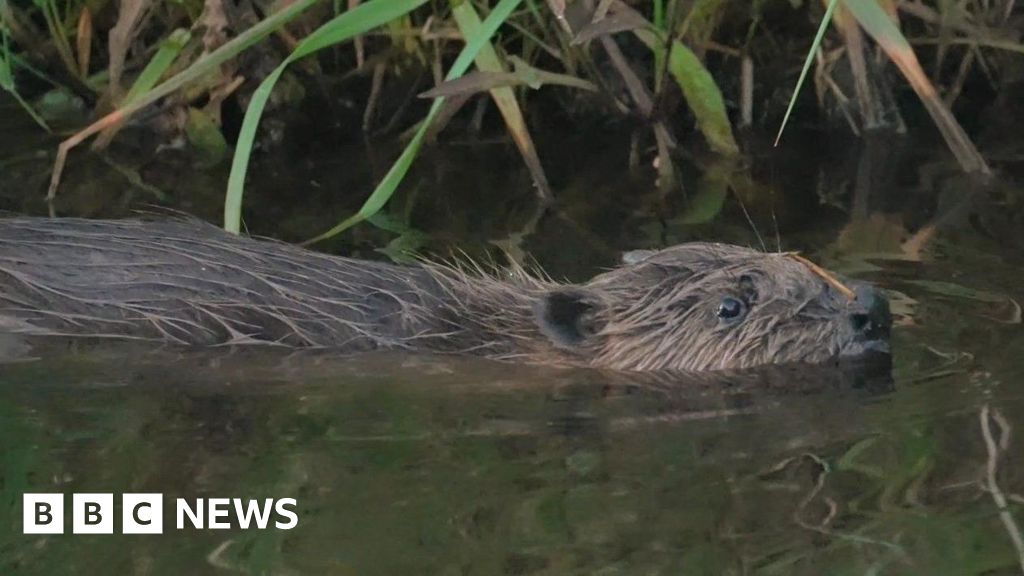
The father beaver, a seasoned resident of Wallington, was among the first to be successfully captured. After a thorough examination confirming his robust health, he was released back into the enclosure, microchipped and ready to continue his vital role in the colony. Yet, to the rangers’ surprise and amusement, he soon reappeared in another trap, drawn back by the irresistible scent of the sweet parsnips. "He seems to like going into the trap and getting all the parsnips," remarked Helen McDonald, a hint of affectionate exasperation in her voice. This unexpected repeat capture underscored the beaver’s particular fondness for the sugary root vegetable, a charming testament to his opportunistic nature and perhaps, a touch of overconfidence.
The reintroduction of beavers to Wallington in 2023 marked a significant milestone in the UK’s rewilding efforts. A family of five beavers was carefully relocated from Tayside, Scotland, to the specially designed enclosure. These "ecosystem engineers" were chosen for their potential to transform the landscape, creating vital wetland habitats, improving water quality, and mitigating flood risks. Their presence was eagerly anticipated as a natural solution to environmental challenges, promising a richer, more diverse ecosystem for Wallington.
Since their initial arrival, the colony has thrived. The mother beaver has proven to be an exceptionally successful breeder, giving birth twice. The first litter introduced a single kit to the enclosure, followed by a more recent litter of four. These new additions have swelled the beaver population to nine, a clear indicator of the species’ successful adaptation to their new home. The birth of these kits at Wallington made the monitoring efforts all the more crucial. Rangers were keen to check on the health of these youngsters, ensuring they were developing well and integrating into the family unit. Microchipping them was paramount, as it would allow the team to identify each individual beaver, track their growth, movements, and overall health throughout their lives, providing invaluable data for future conservation strategies.
Beavers, once widespread across Britain, were hunted to extinction in the 16th century primarily for their fur, meat, and castoreum (a secretion used in perfumes and traditional medicine). Their reintroduction represents a profound shift in conservation philosophy, moving beyond mere protection to active landscape restoration. At Wallington, the National Trust envisions a future where beavers create a mosaic of ponds, wetlands, and damp woodlands, benefiting a wide array of other species, from amphibians and insects to fish and birds. The complex hydrological systems they build also slow down water flow, filtering pollutants and reducing downstream flood risk, a benefit increasingly vital in the face of climate change.
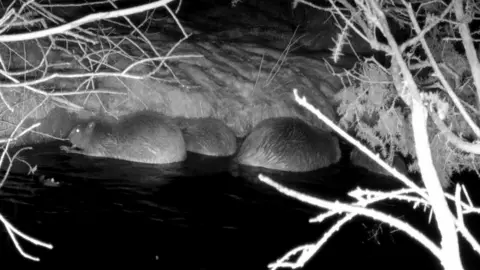
The monitoring program at Wallington is a blend of traditional field observations and modern technology. While rangers regularly patrol the enclosure, observing signs of beaver activity like gnawed trees and dam construction, remote cameras provide round-the-clock surveillance, capturing footage of their often-elusive nocturnal lives. This combination of techniques offers a comprehensive understanding of the colony’s behavior and impact. The microchips, similar to those used for domestic pets, are tiny, inert devices implanted harmlessly under the skin. When scanned, they provide a unique identification number, allowing rangers to track individual beavers without disturbing them. This data is critical for understanding population dynamics, dispersal patterns, and genetic diversity, all essential for the long-term success of the reintroduction.
Working with beavers, especially during capture and release, demands a delicate touch and a deep respect for wildlife. The rangers at Wallington, like Helen McDonald and her team, are not just scientists; they are dedicated custodians of nature, spending countless hours in the field. Their work involves not only the physical tasks of setting traps and conducting health checks but also meticulous record-keeping and data analysis. The anecdote of the greedy father beaver adds a touch of personality to their scientific endeavor, reminding them that each animal is an individual with its own quirks and preferences. It’s these personal observations, combined with robust scientific data, that paint a complete picture of the rewilding success.
Looking ahead, the monitoring efforts at Wallington will continue. McDonald indicated that while three of the kits were successfully caught and microchipped during this two-month period, others remain to be identified. "We only caught the two of them this time, so we’ll try again from September – and by then we might have more kits from this summer," she explained, anticipating further population growth. The seasonal approach to trapping accounts for the beavers’ life cycles, ensuring minimal disturbance during sensitive periods.
The National Trust’s commitment to the Wallington beaver project extends beyond scientific monitoring. It also encompasses public engagement and education. Visitors to Wallington are increasingly fascinated by the beavers and their transformative impact on the landscape. Interpretive signage, guided walks, and ranger talks help to demystify these remarkable creatures, fostering a greater appreciation for biodiversity and the power of rewilding. The story of the greedy beaver, with his penchant for parsnips, serves as a relatable and memorable anecdote, making the complex world of conservation accessible and engaging for everyone.
The Wallington beavers are more than just a conservation success story; they are living proof of nature’s resilience and the profound positive impact that strategic human intervention can have. From a family of five to a thriving colony of nine, these beavers are actively sculpting their environment, creating a richer, more vibrant ecosystem for all. And as for the greedy father beaver, his love for sweet parsnips ensures he’ll likely remain a familiar, albeit occasionally trapped, face in the ongoing saga of Wallington’s wild heart, forever etched in the annals of the National Trust’s rewilding triumphs.



 Roy Suryo
 George Anjay
 Ramos Leo
 atisusanti