Nana Banana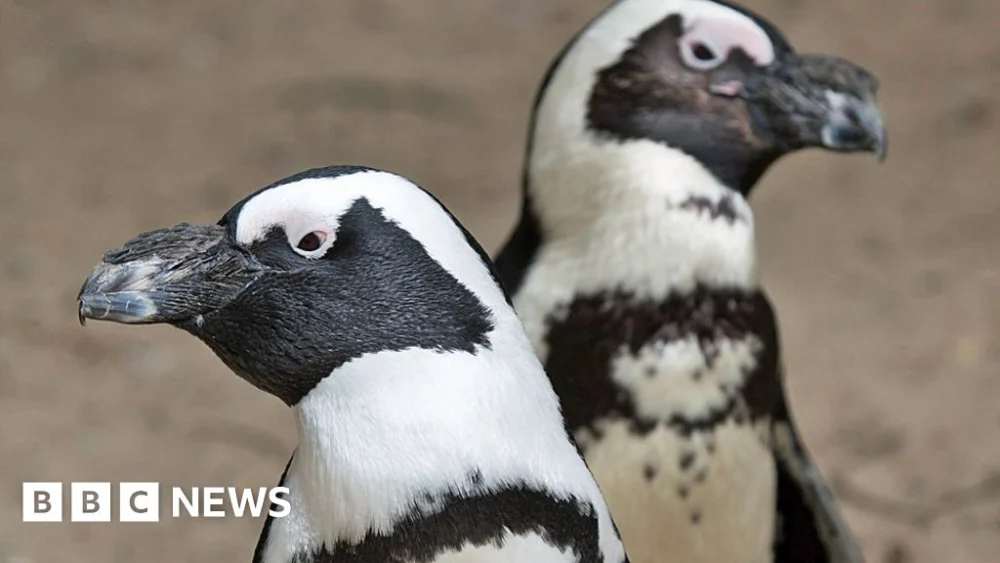
Namibia, a nation blessed with vast, sun-drenched deserts and a windswept coastline, stands on the precipice of a transformative, yet contentious, industrial revolution. The government’s ambitious vision to become a global “green hydrogen superpower” promises an economic boom and a significant contribution to global decarbonization efforts, but at a potentially devastating cost to its unique and fragile biodiversity. A near-pristine desert and coastal wilderness, home to critically endangered African penguins and an extraordinary array of rare succulents, could soon host a monumental hydrogen production facility, sparking both fervent hopes for job creation and profound fears for the region’s irreplaceable ecological heritage.
At the heart of this dream is green hydrogen, a clean-burning fuel produced by splitting water molecules using electrolysers powered solely by renewable energy sources like solar and wind. Unlike conventional hydrogen production, which typically relies on fossil fuels and generates significant carbon emissions, green hydrogen offers a zero-emission alternative that could revolutionize industries from refining and chemical manufacturing to steel production and fertilizer creation. Namibia’s appeal as a green hydrogen hub lies in its "world-class" renewable energy potential: abundant sunshine across its desert landscapes and consistent, powerful winds along its Atlantic coast provide an ideal, year-round resource for competitive, large-scale production.
Hyphen Hydrogen Energy, a joint venture spearheaded by the Germany-based green energy group Enertrag, is the leading developer of this colossal project. The company envisions an initial phase producing 3.75 gigawatts of renewable electricity – enough to power hundreds of millions of LED bulbs – which would then feed a vast array of electrolysers. The resulting hydrogen, notoriously difficult to transport efficiently over long distances, would be converted into green ammonia, a more easily liquified and transportable derivative, via pipelines leading to the coast. Hyphen aims to produce one million tonnes of green ammonia annually by the end of 2028. The sheer scale of this proposed investment is staggering, projected to exceed $10 billion (£7.4 billion), dwarfing Namibia’s entire annual economic output of just over $13 billion. The Namibian government itself holds a 24% stake in the venture, underscoring its national significance.
However, the chosen location for this industrial behemoth is the Tsau ǁKhaeb National Park, a 26,000 square kilometre (10,000 square mile) expanse whose name means "Soft Sands" in the local Nama language. Established in 2004, the park was carved out of the infamous "Sperrgebiet" – German for "Restricted Area" – a vast territory sealed off by German colonial authorities over a century ago to safeguard their lucrative diamond mining interests. For more than 100 years, human access to this region was severely limited, allowing an unparalleled richness of flora and fauna to flourish undisturbed, evolving unique adaptations to the harsh desert environment.
Conservationists warn that this unique biodiversity is now gravely imperiled. Chris Brown, head of the Namibian Chamber of the Environment (NCE), articulates a stark accusation: "The Germans would never allow their top parks to be turned into industrial sites," he states, highlighting a perceived double standard from industrialized nations actively supporting these projects. "But they seem to be quite happy to offshore not only the risk, but also the impacts on biodiversity to Namibia. And we find that totally unacceptable."

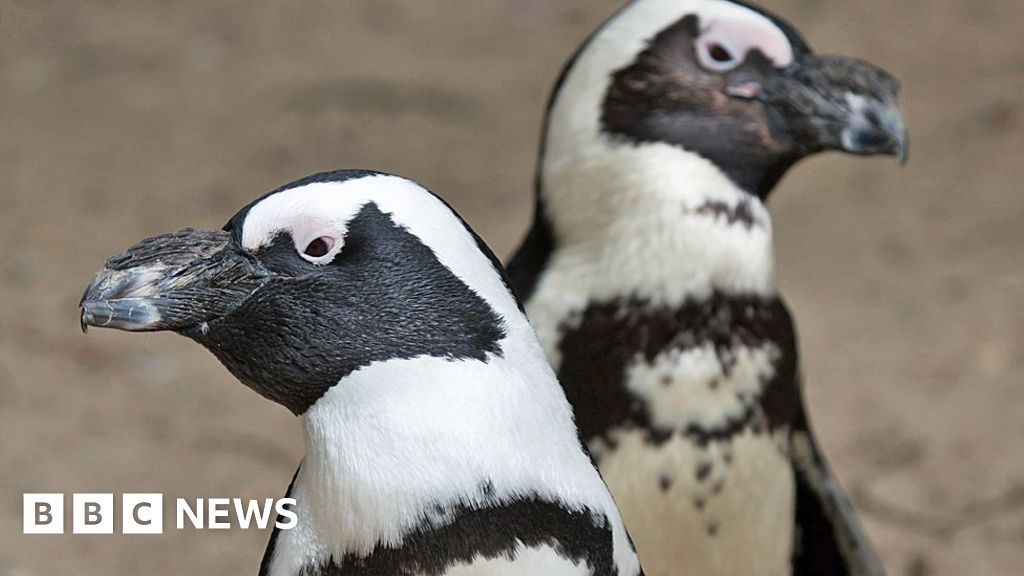
Among the most vulnerable inhabitants are the critically endangered African penguins, whose global population has plummeted to such an extent that scientists warn of their potential extinction in the wild by 2035. These charismatic birds, with their distinctive braying calls, nest on offshore islands and forage in the rich Benguela Current upwelling system along the Namibian Islands’ Marine Protected Area, a 400km (250 mile) stretch of coastline. The Namibian Foundation for the Conservation of Seabirds (Namcob), based in the port town of Lüderitz, has sounded a dire alarm. Neil Shaw of Namcob points out that the proposed port expansion for hydrogen export falls within a "particularly bio-sensitive hotspot," threatening to disrupt crucial marine ecosystems through increased shipping traffic, noise pollution, potential oil spills, and competition for fish stocks – all of which could have "severe ramifications" for penguins and other coastal birds, including flamingos that feed in the local lagoons.
Beyond the marine life, the terrestrial ecosystems of Tsau ǁKhaeb National Park host an astonishing diversity of succulents, plants that have developed ingenious strategies to survive the extreme aridity, from specialized water storage tissues to reflective surfaces that minimize water loss. The construction of massive solar arrays, towering wind turbines, new roads, pipelines, and associated infrastructure within the park would inevitably lead to direct habitat destruction, fragmentation, and disturbance, jeopardizing species that exist nowhere else on Earth. The park is renowned for its iconic natural rock formations, like the 55-meter Bogenfels, and the delicate balance of its shifting sands and microclimates.
Hyphen, for its part, acknowledges these concerns and maintains that it is committed to minimizing environmental impact. Toni Beukes, Hyphen’s Head of Environment, Social and Governance, asserts that comprehensive impact assessments are currently underway. She emphasizes that the project is strategically located in the south due to the "co-location of fantastic wind and solar resources," which is essential for Namibia to "compete with other projects globally" and secure a competitive advantage in the burgeoning green hydrogen market. The company claims it is taking measures to avoid the most sensitive ecological sites and design infrastructure with the "smallest possible footprint."

While the environmental debate rages, the economic promise of the green hydrogen project resonates deeply in a country grappling with an official youth unemployment rate of 44%. Lüderitz, a historically isolated port town on the South Atlantic, has long relied on fishing. The prospect of such a massive investment has already begun to stir new life into the sleepy backwater, according to Phil Balhao, the town’s mayor until last year. "We’re seeing new investments, new opportunities, new services and amenities that never would have come down to Lüderitz," he remarks, highlighting the transformative potential.
Hyphen estimates the project will create a staggering 15,000 jobs during its construction phase and a further 3,000 permanent operational roles. The company is conducting a nationwide survey to assess available local skills, but acknowledges the challenge of matching local capacity with the highly specialized demands of such a large-scale, cutting-edge industrial undertaking. Toni Beukes cautions that while the firm is dedicated to maximizing Namibian employment, the prioritization of local jobs and contracts "will not happen overnight," stressing the pragmatic realities of developing "one of the biggest projects in the world."
However, local youth activists express skepticism about the long-term benefits, citing a lack of detailed information from engagement meetings with investors. Junior Mutaleni questions the vagueness of job promises: "You have to ask what type of job, what are the criteria that are needed? We need to be specific so that we’re able to prepare ourselves." Another activist, Luciel Adams, raises a crucial historical and cultural concern regarding a rocky peninsula near Lüderitz that was once the site of the Shark Island concentration camp. This harrowing site witnessed the deaths of thousands of Nama and Herero people at the hands of Germany’s colonial army during the 1904-1908 genocide. "People used to be fed to the sharks as slaves there, so there’s a lot of raw, hurtful history. People’s identity lies in that place," Adams asserts, underscoring the profound need for the project to be respectful of such a sacred and painful historical landmark.

Graham Hopwood of Namibia’s Institute for Public Policy Research echoes the call for comprehensive and genuine community engagement, stressing that "For the people of Lüderitz, this could vastly change the town, so they need to be involved." While the Hyphen project awaits a final investment decision by the end of 2026, smaller green hydrogen initiatives are already making headway in Namibia, such as the HyIron plant, which utilizes green hydrogen to produce pure iron for steelmaking – a process traditionally reliant on fossil fuels.
The choice facing Namibia is monumental: embrace a future as a green energy leader, bringing unprecedented investment and jobs, or prioritize the preservation of its unique environmental and cultural heritage. Some residents, like former mayor Balhao, are ready to adapt, viewing the project as a necessary catalyst for growth after decades of isolation. "It would really unlock Lüderitz and the south of Namibia massively," he states, adding that the town’s resilience will see it through. "We’re ready to adapt and move on to whatever is next." Yet, the persistent warnings from conservationists and local communities highlight the delicate balance between progress and preservation, ensuring that Namibia’s green hydrogen dream does not become a red flag for its irreplaceable natural wonders and deeply rooted history.


 George Anjay
 Ramos Leo
 Roy Suryo