Nana Banana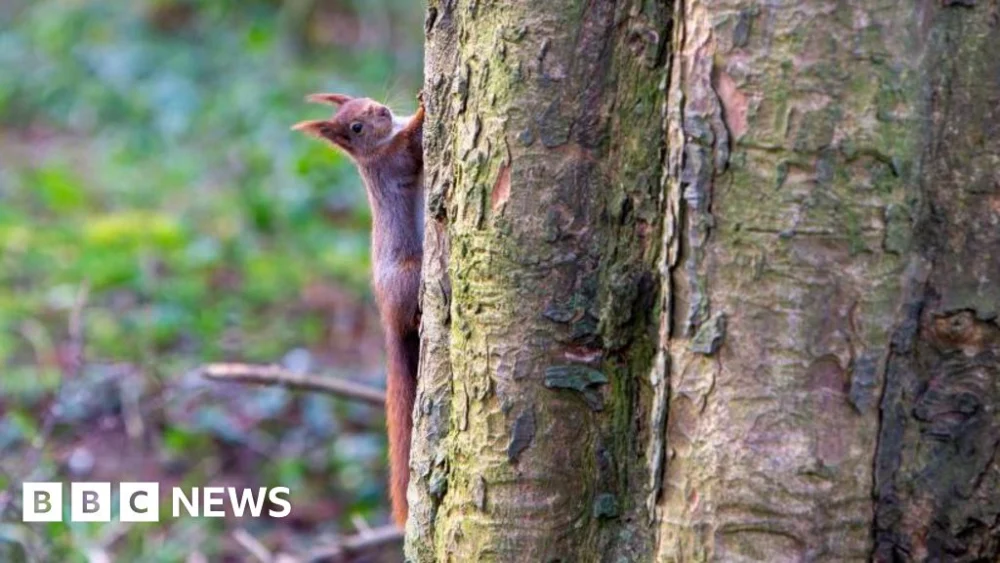
The Senedd has taken a landmark step to bolster environmental protection and reverse biodiversity decline in Wales, passing a crucial new law designed to safeguard the nation’s natural heritage. This legislation marks a significant pivot towards a more robust framework for environmental governance, introducing legally-binding targets for biodiversity recovery, mirroring the ambitious commitments already in place to combat climate change. Crucially, it also paves the way for the establishment of a dedicated independent body, the Office of Environmental Governance Wales (OEGW), tasked with holding the Welsh government and public authorities accountable for their environmental stewardship.
The passage of this bill is the culmination of years of development and advocacy, particularly since the United Kingdom’s departure from the European Union. Environmental campaigners have hailed it as a "significant milestone," addressing a critical gap in environmental protections that emerged post-Brexit. Prior to the UK’s withdrawal, citizens and environmental groups could lodge complaints with the European Commission if they believed their government or public bodies were failing to adhere to green laws. The Commission possessed the power to investigate such claims and compel member states to take corrective action, a mechanism that proved effective in holding authorities to account, even in Wales.
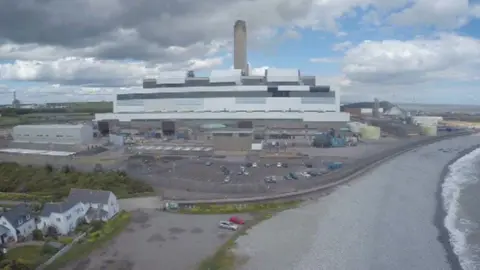
A notable example of this enforcement power involved the Aberthaw coal-fired power station in the Vale of Glamorgan. In 2016, the European Court of Justice ruled that the UK government had failed to adequately limit emissions of harmful pollutants from the plant, specifically nitrogen oxides, which exceeded EU air quality standards. This ruling ultimately forced significant action to reduce pollution and highlighted the critical role the European framework played in ensuring compliance with environmental regulations. The absence of such an independent oversight body after Brexit left a perceived void, leading to considerable criticism of the Welsh government for the prolonged delay in establishing a domestic replacement.
The new Office of Environmental Governance Wales (OEGW) is designed to fill this void, providing a powerful domestic watchdog for environmental performance. Its remit will extend to scrutinising the actions of the Welsh government, various public authorities, and even certain private entities such as water companies operating within Wales. While its initial approach will be to offer guidance and support to improve environmental performance and assist in meeting targets, the OEGW will be endowed with the authority to escalate matters, including initiating court action when necessary to ensure compliance. This tiered approach aims to foster proactive improvement while reserving punitive measures for persistent failures.
Wales has been the last of the UK nations to put such permanent environmental governance arrangements in place. The UK government established the independent Office for Environmental Protection (OEP) in 2021 to oversee England and Northern Ireland, while the Scottish government created Environmental Standards Scotland in the same year. The delay in Wales prompted concerns among environmental groups about the continued vulnerability of the nation’s natural assets without robust oversight. With the OEGW, Wales now aligns itself with its neighbours, completing the mosaic of post-Brexit environmental watchdogs across the devolved administrations.
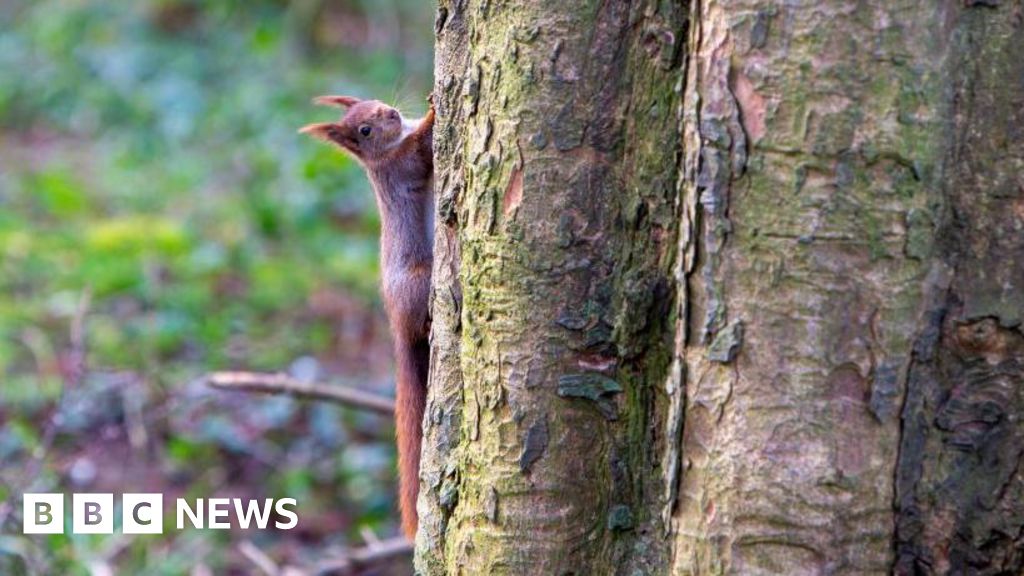
Beyond the creation of the OEGW, a cornerstone of the new legislation is the commitment to establish legally-binding targets to halt and reverse the decline of nature. These targets are envisioned to be similar in their legal weight and ambition to the existing statutory targets for reducing greenhouse gas emissions. The bill mandates that these new nature targets must aim for a "clear recovery" of biodiversity by 2050. This long-term vision will be underpinned by shorter-term milestones, ensuring incremental progress and accountability. The hope is that these targets will drive comprehensive action across sectors to protect and restore habitats, safeguard threatened species like the red squirrel, and enhance the overall ecological health of Wales.
The urgency for such legislation is underscored by numerous reports detailing the severe decline of wildlife in Wales. The State of Nature Report, for instance, has repeatedly highlighted that one in six species in Wales is at risk of extinction, with significant declines observed in bird populations, insect numbers, and vital habitats such as peatlands and ancient woodlands. This ecological crisis has been attributed to a combination of factors, including habitat loss, climate change, pollution, and unsustainable land management practices. Therefore, the new law is not just about replacing a lost European mechanism; it’s about addressing a profound and ongoing environmental emergency within Wales itself.
Alexander Phillips of WWF Cymru articulated the relief and optimism felt within the environmental community, stating that seeing the legislation passed was "a significant milestone" after "almost a decade of effort." He emphasised that the new law would "recover some of what has been missing since we left the EU and aligns Wales with international biodiversity commitments," notably the Kunming-Montreal Global Biodiversity Framework, which sets global targets for nature by 2030. Phillips also stressed the critical role of the next Welsh government, urging them "to pick up this baton and deliver a strong set of biodiversity targets no later than the spring of 2028 and ensure the strategies needed to deliver them are in place."
Annie Smith of RSPB Cymru echoed these sentiments, highlighting that recent reports had "laid bare the scale of wildlife loss in Wales, along with serious underinvestment and failures in how our natural world is protected." She firmly stated, "This new framework must drive urgent action to reverse that decline and the deterioration of our environment – nature can’t wait any longer." This underscores the expectation that the law will not merely be a legislative formality but a catalyst for genuine, impactful change on the ground.
Speaking in the Senedd, Deputy First Minister Huw Irranca-Davies, who holds responsibility for climate change, heralded the bill as "a landmark step forward for Wales," particularly given the "intensifying climate and nature emergencies around us." He affirmed that the new law represents "a significant moment in our determination to protect and enhance Wales’ environment for this and future generations." His comments suggest a long-term commitment from the Welsh government to leverage this legislation as a foundational element of its broader environmental strategy.
Plaid Cymru’s climate spokesperson, Delyth Jewell, expressed her anticipation "to seeing how the bill and further legislation will strengthen the voice of our communities and ensure a cleaner, healthier Wales for everyone." This highlights the potential for the new framework to foster greater community involvement and democratic accountability in environmental decision-making, ensuring that local concerns and knowledge are integrated into broader conservation efforts.
However, not all reactions were positive. Reform MS James Evans voiced strong opposition, stating he would vote against the bill. He criticised it for offering "arbitrary targets" and establishing "a new, ill-defined, costly quango." Evans argued that the projected £34m cost to deliver the bill would be "far better spent on our frontline services." This critique raises important questions about the financial implications of the new body and targets, and the balance between environmental spending and other public services. Proponents of the bill would counter that the long-term economic benefits of a healthy environment, including ecosystem services like clean water, pollination, and climate regulation, far outweigh the initial investment, and that preventing further environmental degradation is more cost-effective than attempting to reverse it later.
The journey ahead involves the crucial phase of target setting. The Welsh government now has a clear mandate to develop and publish these legally-binding biodiversity targets by spring 2028. This process will involve extensive scientific input, public consultation, and cross-sector collaboration to ensure the targets are ambitious yet achievable. The effectiveness of the new law will ultimately depend on the political will to implement it rigorously, the adequacy of funding for conservation efforts, and the ability of the OEGW to exercise its powers independently and effectively. This new legislation offers a renewed sense of hope for Wales’ natural world, placing environmental protection at the heart of national policy and accountability.




 Roy Suryo
 George Anjay
 Ramos Leo
 atisusanti