Nana Banana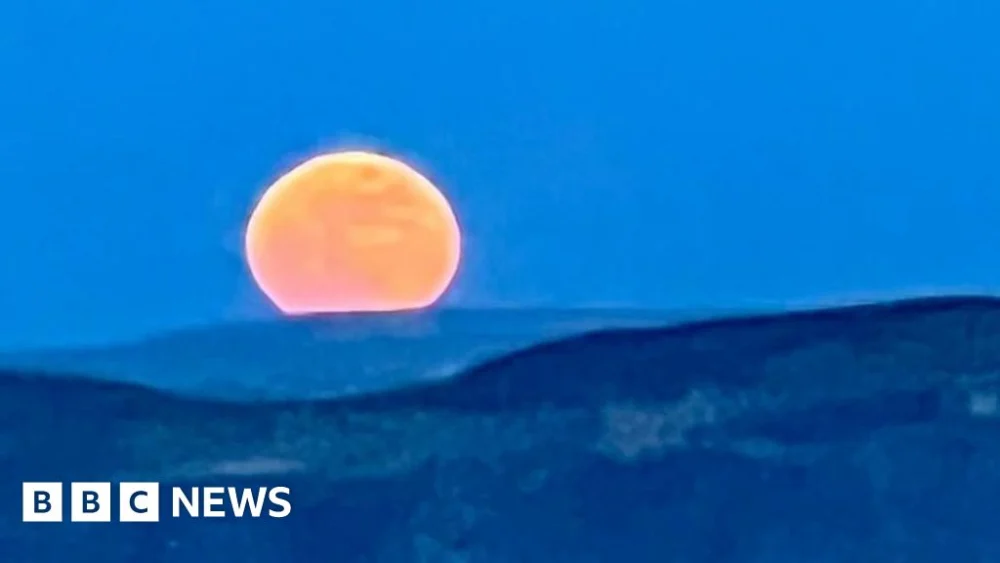
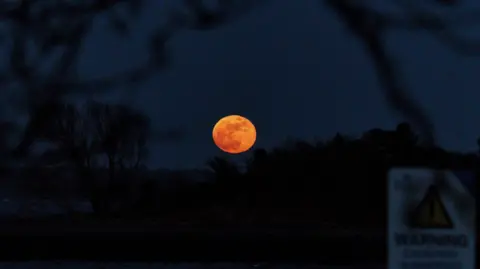
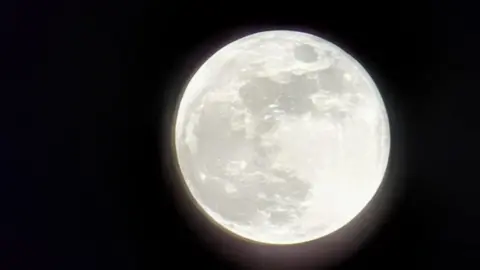
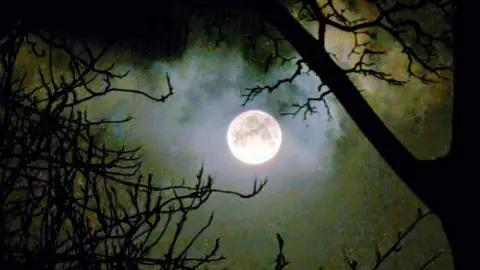
The phenomenon was observed with particular clarity in various locations. Residents in Comber, County Down, reported seeing the majestic Moon peeking through the silhouette of trees, creating a dramatic visual contrast against the twilight sky. In Dundonald, also in County Down, a BBC weather watcher captured a stunning close-up image, revealing the Moon’s intricate surface details and its brilliant white luminescence. Further north, the Moon shone brightly in Ballycastle, County Antrim, where its clear form was framed by the delicate branches of bare trees, while in Cookstown, County Tyrone, a distinct and captivating glow illuminated the dark night sky, drawing eyes upwards. These scattered sightings underscored the widespread appreciation for the Moon’s annual emergence.
While the full lunar eclipse, commonly referred to as a Blood Moon, was not observable in the United Kingdom during this period, some individuals in Northern Ireland may have noticed a reddish or orange hue to the Worm Moon. This colouration, though not indicative of a total lunar eclipse, can occur due to atmospheric conditions, where dust and moisture in the Earth’s lower atmosphere scatter shorter-wavelength blue light more effectively, allowing longer-wavelength red and orange light to reach our eyes.
The tradition of naming full Moons dates back to ancient cultures, predating modern calendars and astronomical instruments. These names were practical tools for early communities to track the changing seasons, anticipate agricultural cycles, and mark significant natural events. Primarily derived from Native American and early colonial American traditions, these descriptive monikers offered a poetic and practical way to connect human life with the rhythms of the natural world.
What is a Worm Moon?
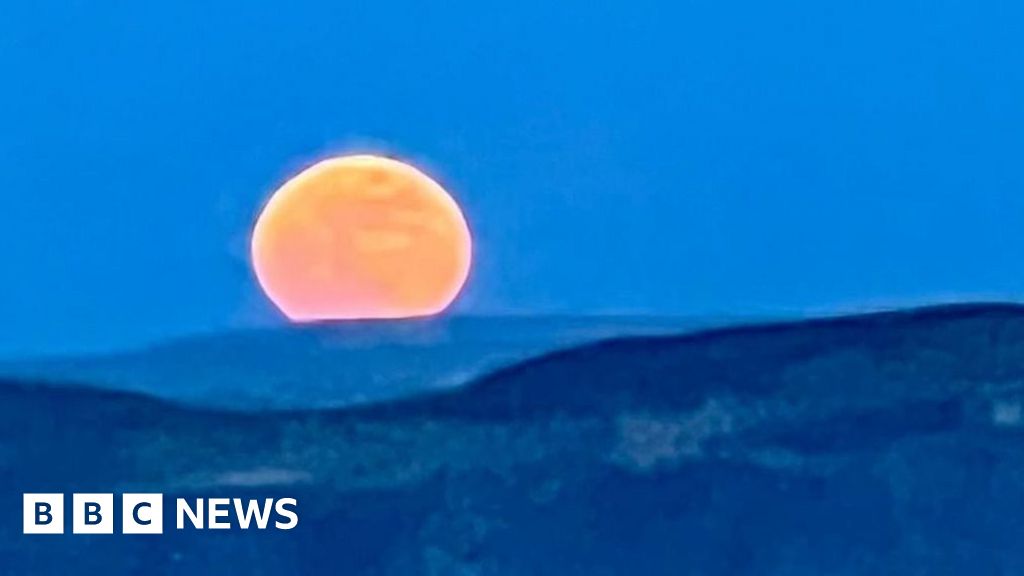
The March full Moon is known as the Worm Moon, a name that eloquently signifies the onset of spring. Its origin refers to the time when earthworms begin to emerge from the thawing soil as temperatures gradually rise. This burrowing activity is a crucial sign for various species, including robins and other birds, that spring has truly arrived, bringing with it renewed life and opportunities for foraging. The name encapsulates the subtle but profound shift in the natural environment, signaling the end of winter’s grip and the awakening of the land. It’s also sometimes referred to as the Crust Moon, referring to the crust of snow that often forms over the softening ground.
Following the Worm Moon, the lunar calendar continues to unfold with its unique nomenclature. The next full Moon, the Pink Moon, is set to rise on April 1st, promising another spectacle for sky-watchers. This will be followed by the enchanting Flower Moon on May 1st, each name carrying its own story and seasonal significance, reflecting the continuous cycle of nature.
What is a Blood Moon?
The term Blood Moon describes the dramatic appearance of the Moon during a total lunar eclipse. This awe-inspiring celestial event occurs when the Earth positions itself directly between the Sun and the Moon, casting a complete shadow over our lunar neighbour. As the Earth effectively blocks the Sun’s direct light from reaching the Moon, the Moon doesn’t disappear entirely. Instead, sunlight filters through the Earth’s atmosphere, scattering blue light and allowing the longer-wavelength red and orange light to bend around the Earth and illuminate the Moon’s surface. This phenomenon gives the Moon a striking reddish-orange hue, hence the evocative name "Blood Moon." While the recent Worm Moon offered its own visual charm, a true Blood Moon, resulting from a total lunar eclipse, was visible primarily to sky-gazers in specific regions of the world, including parts of North America, South America, East Asia, and Australia, during this particular cycle.
What are the names of all the full Moons, and what do they mean?
The rich tapestry of full Moon names provides a fascinating glimpse into the historical relationship between humanity and the celestial sphere. Each name is a testament to seasonal changes, animal behaviours, or agricultural practices observed by various cultures, predominantly Native American tribes and medieval Europeans.
January: Wolf Moon
January’s full Moon is known as the Wolf Moon, a name believed to stem from the widespread observation that wolves howled more frequently during the frigid, desolate nights of mid-winter. With food scarce and the landscape blanketed in snow, their haunting calls echoed across the frozen wilderness, making their presence keenly felt. It encapsulates the harshness and silence of the winter season.
February: Snow Moon
The February full Moon is aptly named the Snow Moon, reflecting the typically heavy snowfall and blizzards experienced in North America during this month. These severe weather conditions often made hunting and travel exceedingly difficult, leading to alternative names such as the Storm Moon or the Hunger Moon, highlighting the challenging survival conditions of deep winter.
March: Worm Moon
As seen over Northern Ireland, the March full Moon is the Worm Moon. This name refers to the time when earthworms begin to emerge from the ground, drawn out by the thawing soil and increasing warmth. This signals the return of robins and other birds, making it a definitive marker of spring’s arrival. It is also sometimes called the Crust Moon, due to the crust of snow that may still cover the ground, or the Sap Moon, as maple sap begins to flow.
April: Pink Moon
Despite its captivating name, the Pink Moon doesn’t actually appear pink. It was named by Native Americans after the wild ground phlox, a vibrant pink flower that blooms abundantly across parts of the United States and Canada in early spring. This name celebrates the first widespread floral displays of the season. Other names for April’s full Moon include the Egg Moon, symbolizing fertility and new life, and the Fish Moon, relating to the spawning season for certain fish.
May: Flower Moon
May’s full Moon is known as the Flower Moon, a name that joyfully celebrates the peak of spring, when flowers burst forth in full bloom, transforming landscapes into vibrant tapestries of colour. This period marks a time of lush growth and natural abundance. Other traditional names include the Hare Moon, the Corn Planting Moon, and the Milk Moon, reflecting the agricultural activities and the burgeoning life of the season.
June: Strawberry Moon
The Strawberry Moon of June is named by Native American Algonquin tribes, who harvested wild strawberries during this relatively short window of the year. This delicious fruit was a cherished seasonal treat. It is also known as the Honey Moon, a name often associated with the first month of marriage and the traditional time for making mead, and the Rose Moon, for the blooming of roses.
July: Buck Moon
July’s full Moon is the Buck Moon, so named because it is typically the time when male deer (bucks) begin to grow their new antlers, which emerge covered in a soft, velvety fur. This signifies a period of robust growth and vitality in the animal kingdom. This Moon is also frequently called the Thunder Moon, a nod to the frequent thunderstorms that characterize the hot summer months.
August: Sturgeon Moon
The Sturgeon Moon in August takes its name from the large fish, sturgeon, which were abundant and caught with ease by Native American tribes in the Great Lakes and other major water bodies during this part of the summer. It signified a bountiful fishing season. Other names include the Grain Moon, the Green Corn Moon, and the Black Cherries Moon, reflecting various harvests.
September: Corn Moon / Harvest Moon
September’s full Moon is often called the Corn Moon, marking the time when corn and other main crops are typically harvested at the close of the summer season. However, if this full Moon is the nearest one to the autumnal equinox (which usually falls around September 22nd), it earns the more prestigious title of the Harvest Moon. The Harvest Moon is particularly notable for appearing exceptionally bright and rising soon after sunset for several consecutive evenings, providing farmers with extended moonlight to continue harvesting into the night.
October: Hunter’s Moon / Harvest Moon
The October full Moon is known as the Hunter’s Moon. This name originated from the practice of hunting animals, fattened from the summer, in preparation for the lean winter months. The bright moonlight aided hunters in their quest for sustenance. Similar to September, if this full Moon is the closest to the autumnal equinox, it also takes on the name Harvest Moon, especially if the September full Moon occurred earlier in the month.
November: Beaver Moon
November’s full Moon is the Beaver Moon, a name that likely derives from two related practices. It’s the time when beavers are most actively building their dams in preparation for winter, and historically, it was also the opportune time to set beaver traps before the rivers froze solid, ensuring a supply of warm furs for the harsh months ahead. It is sometimes called the Frost Moon, as temperatures begin to plummet and the first hard frosts appear.
December: Cold Moon
Finally, December’s full Moon is known as the Cold Moon, a name that perfectly encapsulates the deepening chill of winter. This is the month when temperatures drop significantly, and the nights become noticeably longer, plunging the Northern Hemisphere into its darkest period. Other names for this Moon include the Long Night Moon, acknowledging the extended hours of darkness, and the Oak Moon, perhaps reflecting the strength of oak trees enduring the winter.
The observation of the Worm Moon over Northern Ireland serves as a beautiful reminder of these ancient connections to the lunar cycle and the ever-present dance between Earth, Moon, and Sun, continuing to inspire wonder and reflection across generations.




 Roy Suryo
 George Anjay
 Ramos Leo
 atisusanti