
 atisusanti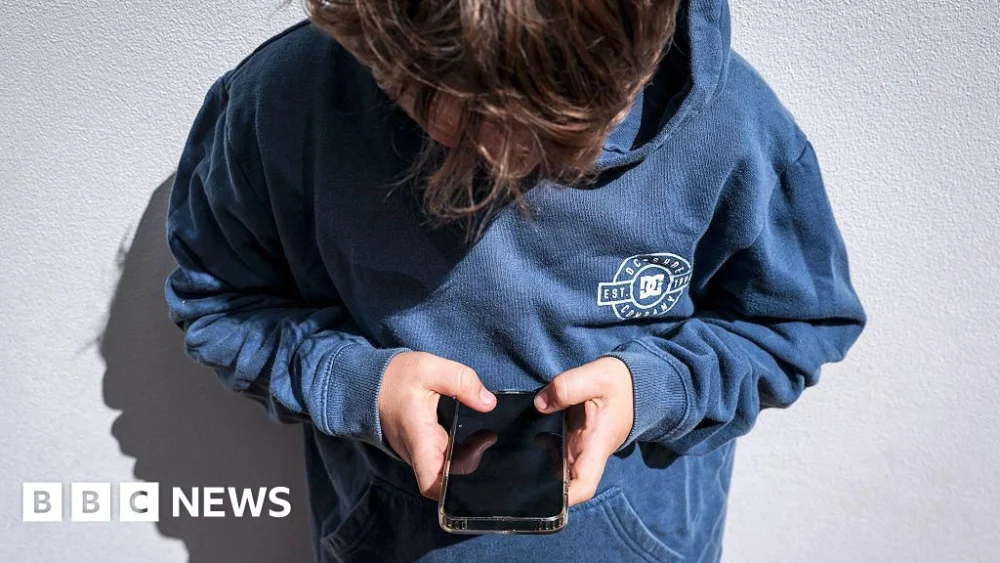
In a significant move to enhance online child safety, major technology companies operating in the UK have been formally requested by regulatory bodies to implement more stringent age verification measures for users under the age of 13. This directive, issued jointly by the UK’s media regulator, Ofcom, and the Information Commissioner’s Office (ICO), targets prominent platforms including Facebook, Instagram, Snapchat, TikTok, YouTube, Roblox, and X (formerly Twitter). The regulators argue that current safeguards are insufficient to protect young children from accessing services not designed for their age group, and are urging these companies to adopt practices similar to those mandated for adult-oriented services, particularly those dealing with sensitive content.
Ofcom chief executive, Dame Melanie Dawes, articulated a strong stance, stating that these digital services are "failing to put children’s safety at the heart of their products." She emphasized that while companies have implemented some measures, these have not gone far enough to ensure genuine protection. Dame Melanie conveyed her belief that the tech giants are "uncomfortable" with the increased scrutiny, viewing Ofcom’s call to action as a demand for accountability on the public’s terms, rather than through self-serving Silicon Valley narratives. The current reliance on self-declaration of age by users is a primary concern, as it is easily circumvented, allowing underage children to access platforms that lack appropriate content and safety features for their developmental stage.
The ICO’s involvement underscores the critical issue of data privacy for minors. According to the ICO, services that establish a minimum age limit, such as 13, generally have no lawful basis to process the personal data of children below that threshold. This raises significant legal and ethical questions about how these platforms handle the information of very young users who manage to bypass age restrictions. The regulators’ call for "highly-effective age checks" draws a parallel with the more robust verification methods already legally required for services providing over-18 content, such as pornography. Implementing such advanced measures for younger users would necessitate a voluntary commitment from the tech giants to significantly enhance their existing protocols.
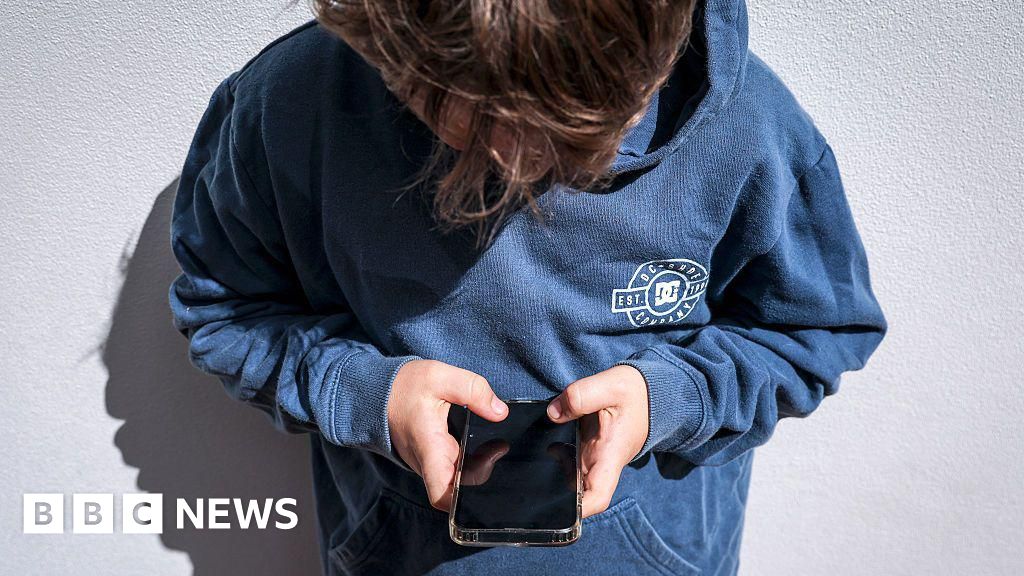
The urgency of this intervention is underscored by Ofcom’s research, which reveals a startling statistic: 86% of children aged 10 to 12 in the UK possess their own social media profile, despite the widely established minimum age limit of 13. This widespread non-compliance highlights a systemic failure in current age gating mechanisms. The call to action from Ofcom and the ICO aims to push these companies beyond superficial compliance and towards a proactive, safety-first design philosophy for their platforms.
Liz Kendall, the Technology Secretary, has pledged her full support to Ofcom, asserting that no platform will be given a "free pass" when it comes to safeguarding children. She stressed that companies should not require legal intervention to act responsibly in protecting young users online. Her statement signals a governmental resolve to hold tech firms accountable for their role in child online safety.
In response to the regulators’ concerns, the tech companies have presented varying degrees of compliance and defence. YouTube, owned by Google, expressed surprise at Ofcom’s "move away from a risk-based approach," and urged regulators to concentrate on "high risk services that are failing to comply with the codes set out in the Online Safety Act." Google stated that it routinely updates Ofcom and other regulators on its youth safety initiatives and highlighted its "industry-leading work" in this area.
Meta, the parent company of Facebook and Instagram, claimed that many of Ofcom’s suggestions are already implemented, including the use of AI to infer user age based on activity and facial age estimation technology. Meta further suggested that integrating age verification for app stores could streamline the process, requiring parents and teens to provide personal information only once.

Snapchat reported that it is actively testing new age verification tools. TikTok stated that it employs "enhanced technologies" to identify and remove underage accounts, and highlighted its transparency by publishing figures of suspected under-13 accounts removed. Between October 2024 and September 2025, TikTok reported removing over 90 million such accounts, positioning itself as the only major platform to offer this level of public data on underage account removals.
Roblox emphasized its existing protections for under-13 users, having introduced 140 new safety features in the past year, including mandatory age checks for accessing chat functionalities. A Roblox spokesperson expressed eagerness to demonstrate their efforts in ongoing discussions with Ofcom. X, formerly Twitter, did not respond to BBC News’s request for comment.
Experts in the field have offered further perspective on the regulatory push. Professor Amy Orben, a digital mental health expert at Cambridge University, welcomed the regulators’ action but cautioned that it must be the "beginning of stronger regulation." She advocated for safety to be an intrinsic part of product design, rather than an afterthought, and for regulators to demonstrate greater assertiveness in holding companies accountable.
Social media analyst Matt Navarra pointed out that while knowing a user’s age is a crucial first step, the more significant challenge lies in designing platforms that do not exploit children’s attention. He described this as a "much harder" undertaking, suggesting that Ofcom’s focus on algorithms and recommendation systems, which it also highlighted as needing attention, is a critical aspect of comprehensive child protection. The debate surrounding age verification and online safety for minors is thus evolving, with regulators demanding greater responsibility from tech giants to ensure a secure digital environment for the youngest internet users.


 Nana Banana
 George Anjay
 Ramos Leo

 Nakalama John