
 George Anjay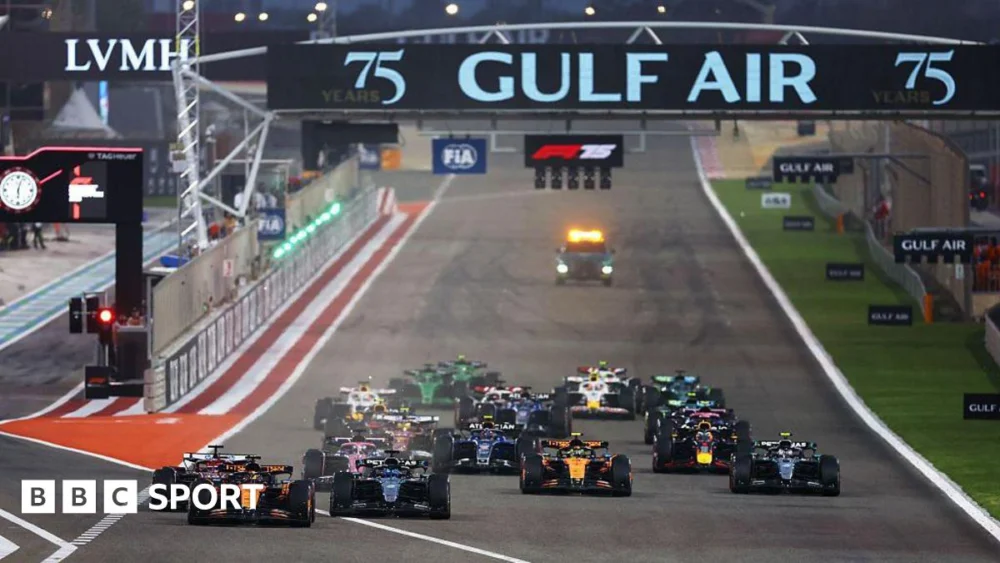
The looming shadow of escalating geopolitical tensions in the Middle East has cast a pall over the Formula 1 calendar, with the highly anticipated Bahrain and Saudi Arabia Grands Prix, slated for April, now facing an almost certain cancellation. While a formal decree has yet to be officially issued by Formula 1’s governing body, the FIA, or the sport’s commercial rights holder, Liberty Media, sources close to the situation indicate that a definitive decision is anticipated before the close of the current weekend. The critical window for initiating the logistical ballet of freight shipment to the region is rapidly closing, and with no discernible de-escalation in the conflict between the United States, Israel, and Iran, the paramount concern for safety has decisively outweighed the commercial imperative. The potential risk to the thousands of personnel – drivers, team members, mechanics, media, and support staff – who would converge on these nations has been deemed unacceptably high.
This regrettable but unavoidable decision will not see the addition of replacement races to fill the void left in the schedule. Consequently, the current Formula 1 season will be truncated to 22 Grands Prix, a reduction that carries a significant commercial sting. Liberty Media, the parent company of Formula 1, is expected to absorb a financial blow exceeding £100 million. This substantial figure is primarily attributable to the fact that both the Bahrain and Saudi Arabia Grands Prix are renowned for commanding some of the most lucrative hosting fees in the sport’s history. The original Bahrain Grand Prix was scheduled to take place on April 12th, with the Jeddah street circuit in Saudi Arabia set to host the following weekend. The proximity of these two events, coupled with their strategic placement early in the season, amplifies the disruption.
In the immediate aftermath of the growing concerns, discussions were reportedly held regarding potential alternative venues to salvage the lost race slots. Prominent circuits such as Portimão in Portugal, the historic Imola circuit in Italy, and the Istanbul Park in Turkey were all considered as possible stand-ins. However, the insurmountable obstacle presented by these alternatives was the critically short timeframe available for the necessary organizational and logistical preparations. Establishing a Formula 1 Grand Prix is an undertaking that requires months, if not years, of meticulous planning, from infrastructure readiness and safety assessments to the intricate coordination of track marshals, medical teams, and broadcast crews. Furthermore, securing a comparable hosting fee from any of these European or Turkish venues in such short notice was deemed highly improbable, further diminishing the viability of such stopgap solutions.
The impact of these cancellations extends beyond mere financial considerations, creating a significant and uncharacteristic hiatus in the early stages of the championship. The proposed calendar shift will result in an extended five-week period of inactivity between the Japanese Grand Prix, originally scheduled for March 29th, and the Miami Grand Prix, which remains on the books for May 3rd. This substantial break, unprecedented in its duration for the early part of a season, presents unique challenges and opportunities for teams and drivers alike. While it may offer an extended period for development and strategic planning, it also disrupts the momentum and rhythm that teams strive to build at the beginning of a competitive year.
The geopolitical landscape that has precipitated this crisis is multifaceted and deeply concerning. The ongoing conflict in the Middle East, characterized by a complex web of alliances and animosities, has reached a critical juncture. The direct involvement of major global powers like the United States, alongside regional actors such as Israel, and the perceived influence of Iran, has amplified regional instability to a degree that directly impacts international sporting events. The safety of personnel operating in such a volatile environment is an absolute priority, and the risks associated with travel, accommodation, and event operations in a region experiencing active conflict are simply too great to ignore. The decision to cancel the Bahrain and Saudi Arabia Grands Prix is a stark testament to the pervasive influence of global events on even the most insulated of sporting spectacles.
The economic ramifications for Bahrain and Saudi Arabia extend beyond the direct revenue generated from hosting fees. These Grand Prix events are significant drivers of tourism, hospitality, and local economies. The cancellation means a substantial loss of revenue for hotels, restaurants, transportation providers, and countless other businesses that rely on the influx of visitors and the global spotlight that these races bring. For Bahrain, a nation that has invested heavily in its Grand Prix circuit and its reputation as a host of major international sporting events, this represents a considerable setback. Similarly, Saudi Arabia, which has embarked on an ambitious program of economic diversification and is increasingly seeking to attract global attention through high-profile sporting events, will feel the impact of this cancellation. The long-term implications for their respective sporting strategies and their ability to attract future events will undoubtedly be a subject of considerable debate and strategic reassessment.
The Formula 1 paddock, a global community of dedicated professionals, will undoubtedly express a mixture of disappointment and understanding. Drivers, who relish the challenge of the Bahrain International Circuit and the demanding Jeddah street circuit, will miss the opportunity to compete. Team principals and engineers will have to recalibrate their development strategies and marketing plans in light of the revised schedule. The vast network of media professionals who meticulously cover these events will also face disruption, requiring adjustments to their travel and reporting schedules. While the disappointment is palpable, the overriding sentiment is likely to be one of collective recognition of the gravity of the situation and the paramount importance of safety.
The decision-making process leading to such a cancellation is never taken lightly. It involves extensive consultation between Formula 1 management, the FIA, national sporting authorities in Bahrain and Saudi Arabia, and crucially, security and intelligence agencies. The assessment of risk is a continuous and evolving process, and when intelligence suggests an unacceptable level of danger, decisive action is imperative. The financial considerations, while substantial, are secondary to the well-being of all individuals involved in the Formula 1 circus. The sport has a responsibility to its participants and fans to ensure that its events are conducted in a safe and secure environment, and this principle has clearly guided the current decision.
Looking ahead, the extended break in the season will necessitate a period of strategic adjustment for all involved. Teams that had meticulously planned their development schedules and resource allocation around the original calendar will now have to adapt. This unforeseen pause could provide an opportunity for teams to reassess their performance, refine their car upgrades, and perhaps even experiment with new strategies for the remainder of the season. For drivers, maintaining peak physical and mental condition during an extended break requires discipline and focus. The narrative of the championship may also shift, with the shortened season potentially intensifying the competition as teams and drivers strive to make the most of the remaining races.
The cancellation of the Bahrain and Saudi Arabia Grands Prix serves as a potent reminder of the interconnectedness of the world and the far-reaching impact of geopolitical instability. While Formula 1 has a history of navigating challenging political landscapes, the current situation in the Middle East presents a particularly complex and volatile scenario. The sport’s commitment to prioritizing safety above all else, even at the cost of significant financial and commercial repercussions, underscores its maturity and its ethical compass. The coming weeks will undoubtedly be a period of introspection and recalibration for Formula 1 as it navigates the consequences of this unprecedented disruption and looks towards resuming its season with renewed determination and a heightened awareness of the global forces that shape its destiny. The focus will now inevitably shift to the remaining races on the calendar, with the hope that a more stable geopolitical climate will allow for the uninterrupted continuation of the championship.



 Nakalama John
 atisusanti
 Ramos Leo
 Roy Suryo
 Nana Banana